Lu Zhongwen, An Na, Sheng Shouwei, Hong Mao, Deng Pin, Wu Junde, Zhang Shengji, Chen Zhaojun
Beijing University of Chinese Medicine Third Affiliated Hospital, Beijing, Beijing, China.
Shandong University of Traditional Chinese Medicine, Jinan, Shandong, China.
PLoS One. 2025 Aug 1;20(8):e0328906. doi: 10.1371/journal.pone.0328906. eCollection 2025.
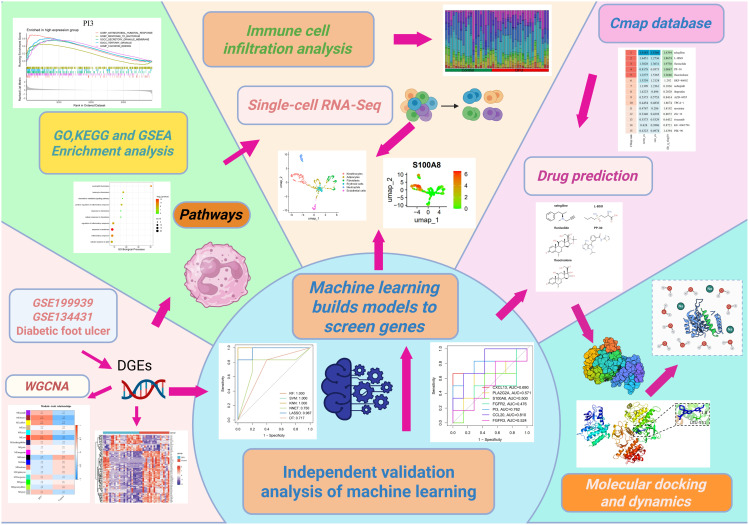
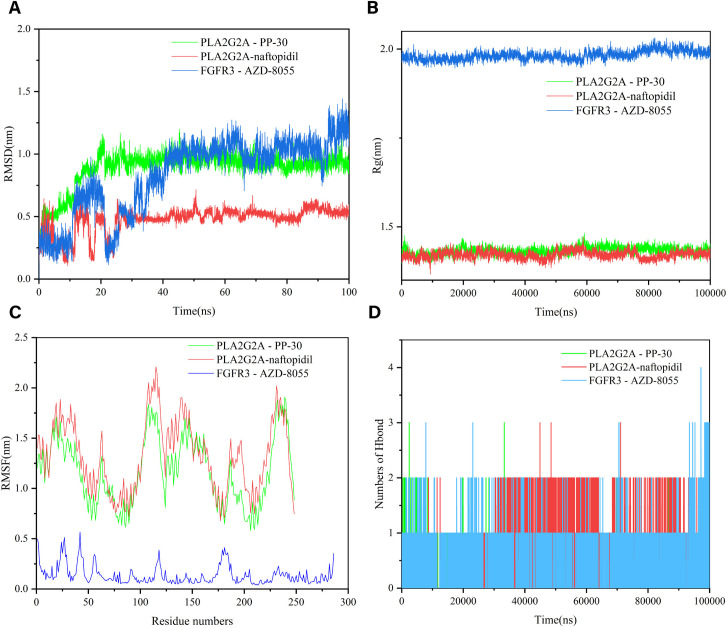
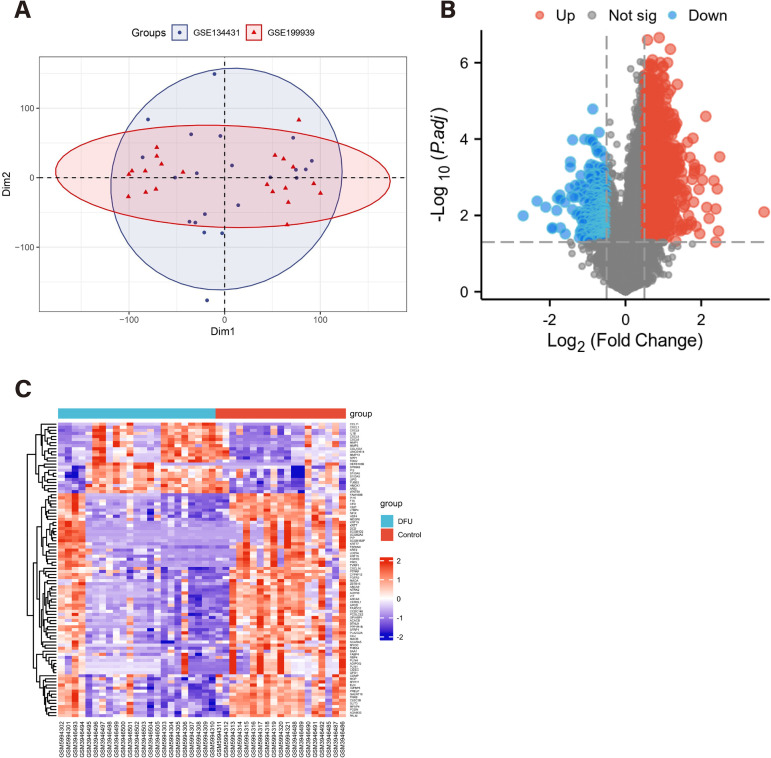
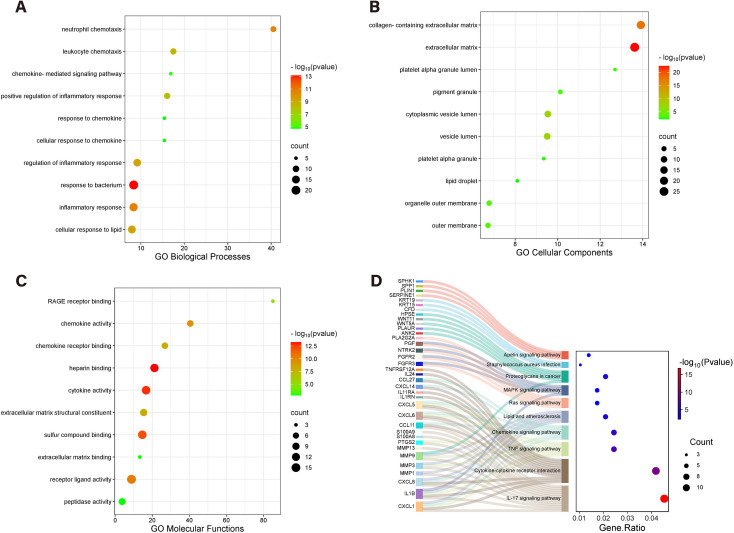
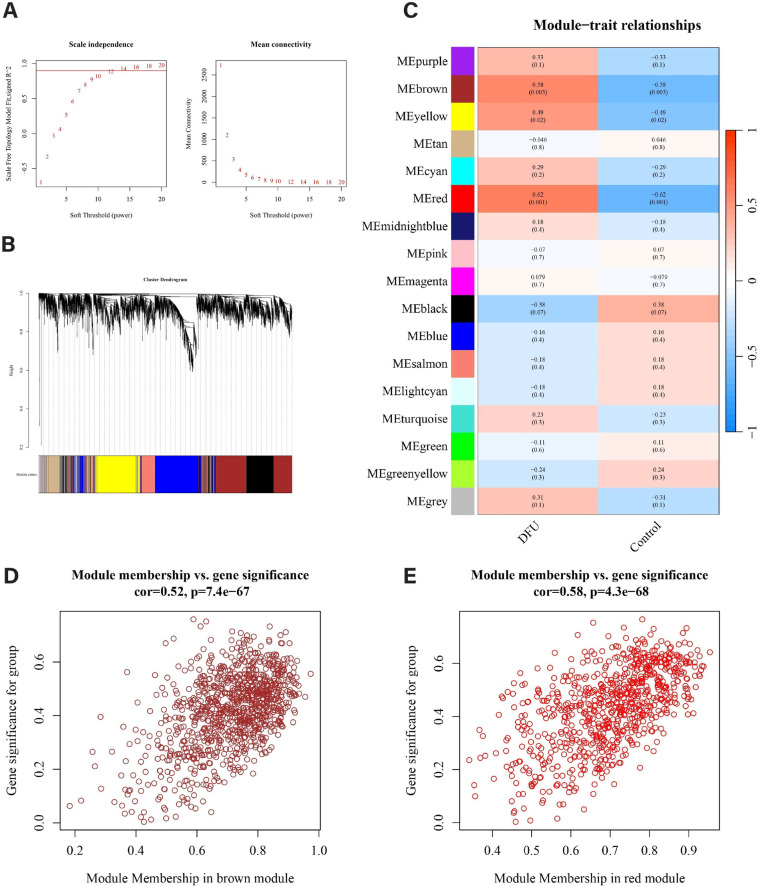
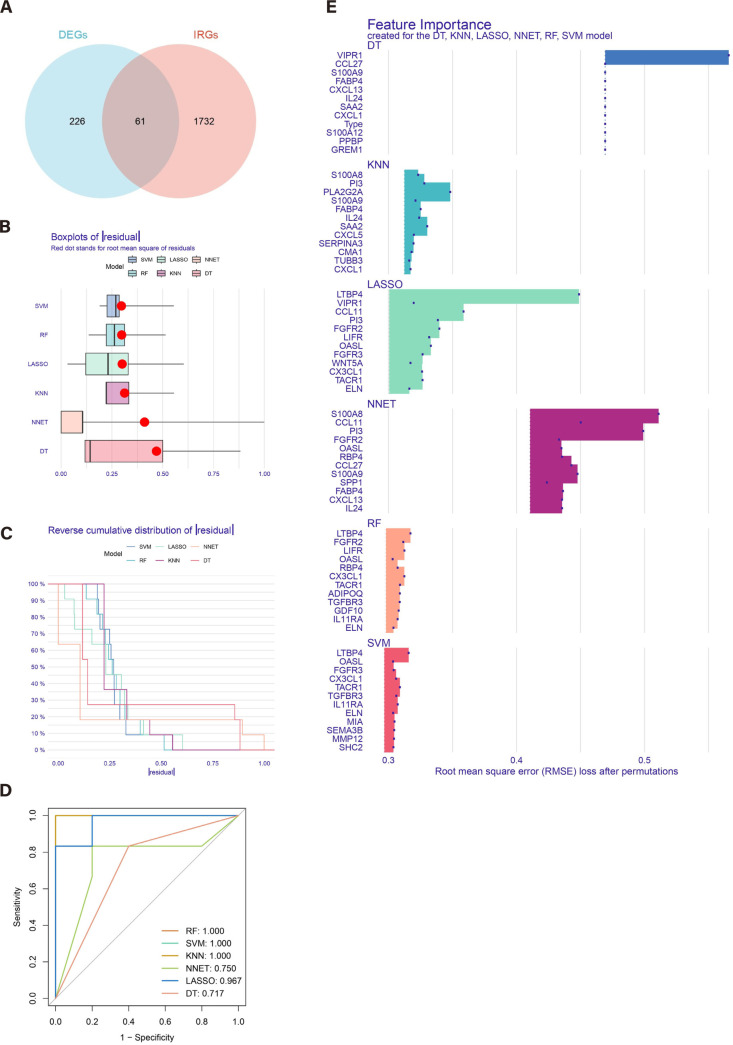
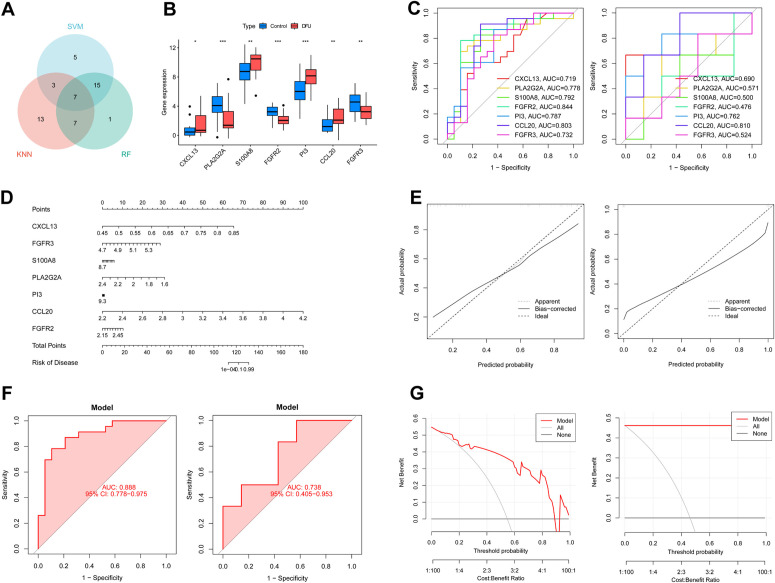
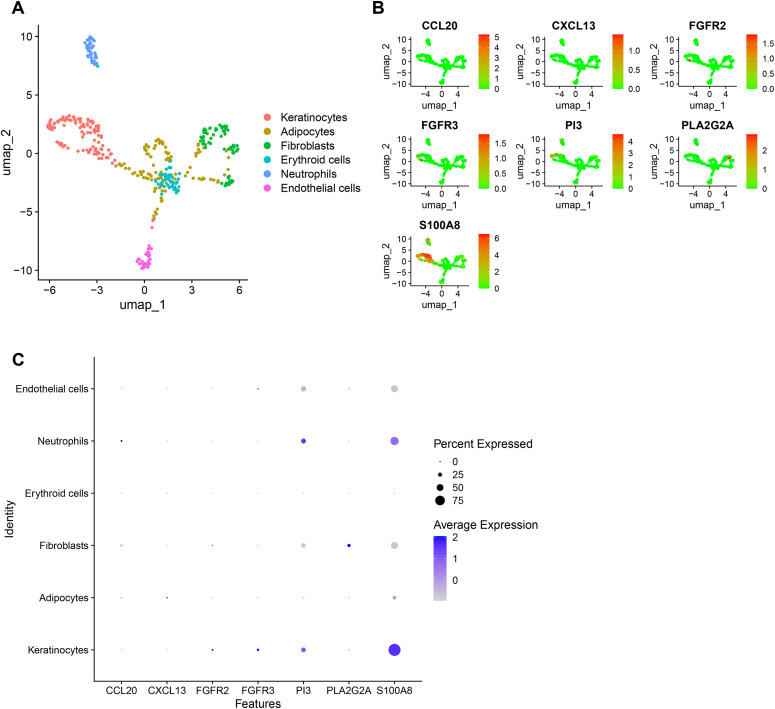
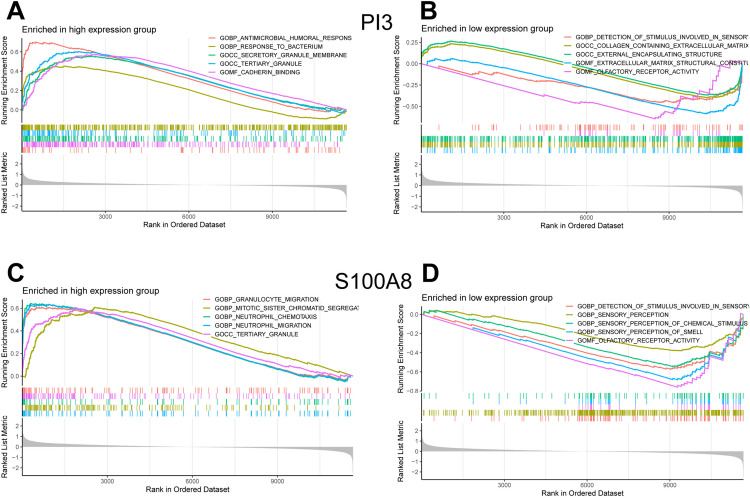
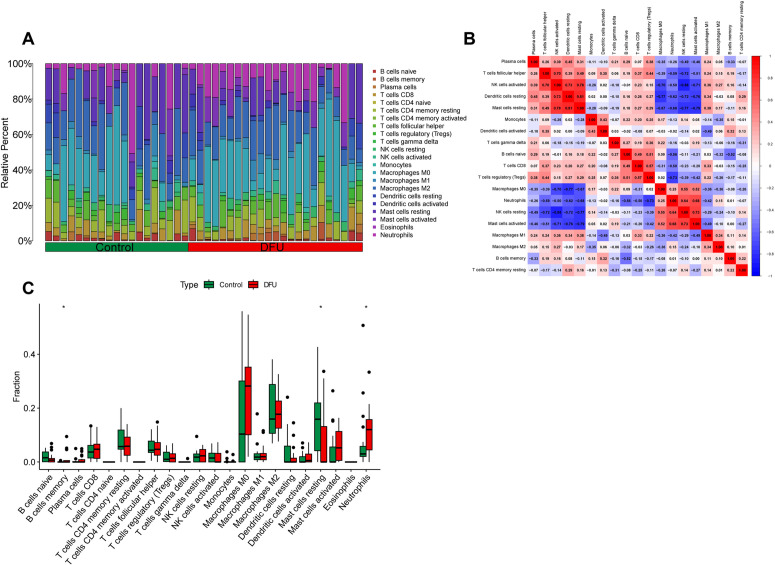
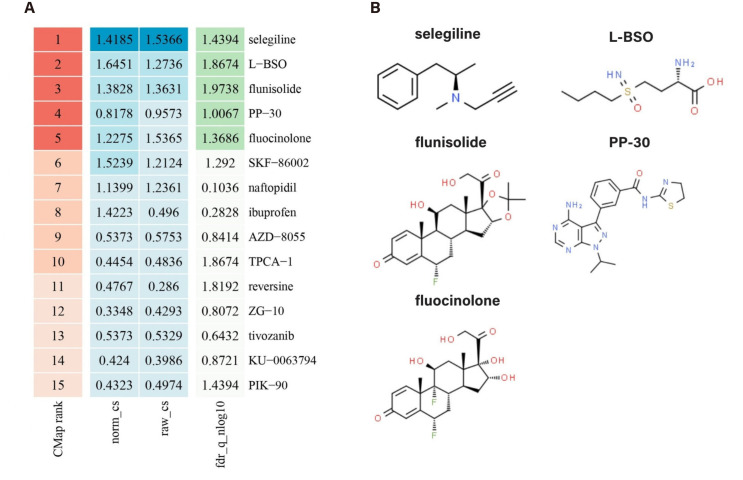
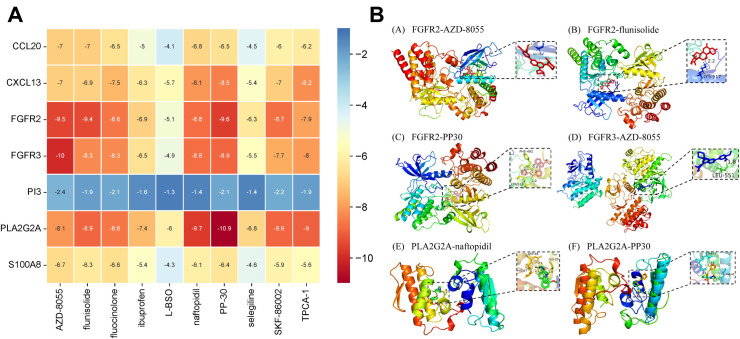
Diabetic foot ulcer (DFU) is a severe complication of diabetes, often leading to amputation due to poor wound healing and infection. The immune-related pathogenesis of DFU remains unclear, and therapeutic drugs are limited. This study aimed to explore the immune mechanisms of DFU and identify potential therapeutic drugs using machine learning and single-cell approaches. Through differential expression analysis of Gene Expression Omnibus (GEO) datasets, we identified 287 differentially expressed genes (DEGs), which were significantly enriched in IL-17 signaling and neutrophil chemotaxis pathways. Weighted gene co-expression network analysis (WGCNA) further pinpointed disease-associated modules containing 1,693 regulatory genes. Machine learning algorithms prioritized seven core genes-CCL20, CXCL13, FGFR2, FGFR3, PI3, PLA2G2A, and S100A8-with validation in an external dataset GSE147890 and single-cell sequencing revealing their predominant expression in neutrophils and keratinocytes. Immune infiltration analysis demonstrated significant dysregulation in DFU patients, characterized by elevated proportions of memory B cells, M0 macrophages, activated mast cells, and neutrophils. Potential therapeutic compounds were identified using the Connectivity Map database and tested through molecular docking and dynamics simulations. The study pinpointed selegiline, L-BSO, flunisolide, PP-30, and fluocinolone as promising therapeutic agents, offering new insights into the pathogenesis of diabetic foot ulcers (DFU) and potential therapeutic strategies.
糖尿病足溃疡(DFU)是糖尿病的一种严重并发症,常因伤口愈合不良和感染导致截肢。DFU的免疫相关发病机制尚不清楚,治疗药物也有限。本研究旨在利用机器学习和单细胞方法探索DFU的免疫机制,并确定潜在的治疗药物。通过对基因表达综合数据库(GEO)数据集进行差异表达分析,我们鉴定出287个差异表达基因(DEG),这些基因在IL-17信号通路和中性粒细胞趋化通路中显著富集。加权基因共表达网络分析(WGCNA)进一步确定了包含1693个调控基因的疾病相关模块。机器学习算法确定了七个核心基因——CCL20、CXCL13、FGFR2、FGFR3、PI3、PLA2G2A和S100A8——并在外部数据集GSE1490中进行了验证,单细胞测序显示它们在中性粒细胞和角质形成细胞中主要表达。免疫浸润分析表明DFU患者存在明显的失调,其特征是记忆B细胞、M0巨噬细胞、活化肥大细胞和中性粒细胞的比例升高。利用连接图谱数据库鉴定了潜在的治疗化合物,并通过分子对接和动力学模拟进行了测试。该研究确定司来吉兰、L - BSO、氟尼缩松、PP - 30和氟轻松为有前景的治疗药物,为糖尿病足溃疡(DFU)的发病机制和潜在治疗策略提供了新的见解。