Hassan Sedky H A, Alomran Maryam M, Alsugiran Nada I A, Koutb Mostafa, Ahmed Hassan, Fawzy Mustafa A
Department of Biology, College of Science, Sultan Qaboos University, Muscat, Oman.
Department of Biology, College of Science, Princess Nourah bint Abdulrahman University, Riyadh, Saudi Arabia.
PeerJ. 2025 Aug 4;13:e19776. doi: 10.7717/peerj.19776. eCollection 2025.
Cadmium pollution from industrial effluent can cause major health concerns, so it must be removed from wastewater prior to disposal. The objective of this study was to remove cadmium (Cd) from aquatic environments using red macroalgae pretreated with calcium chloride (CaCl) (DSC).
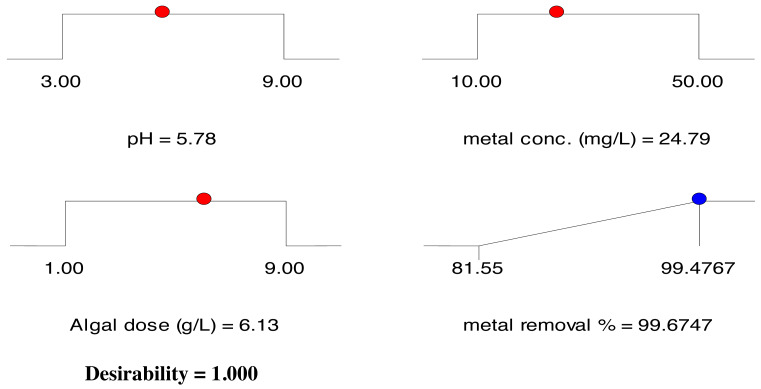
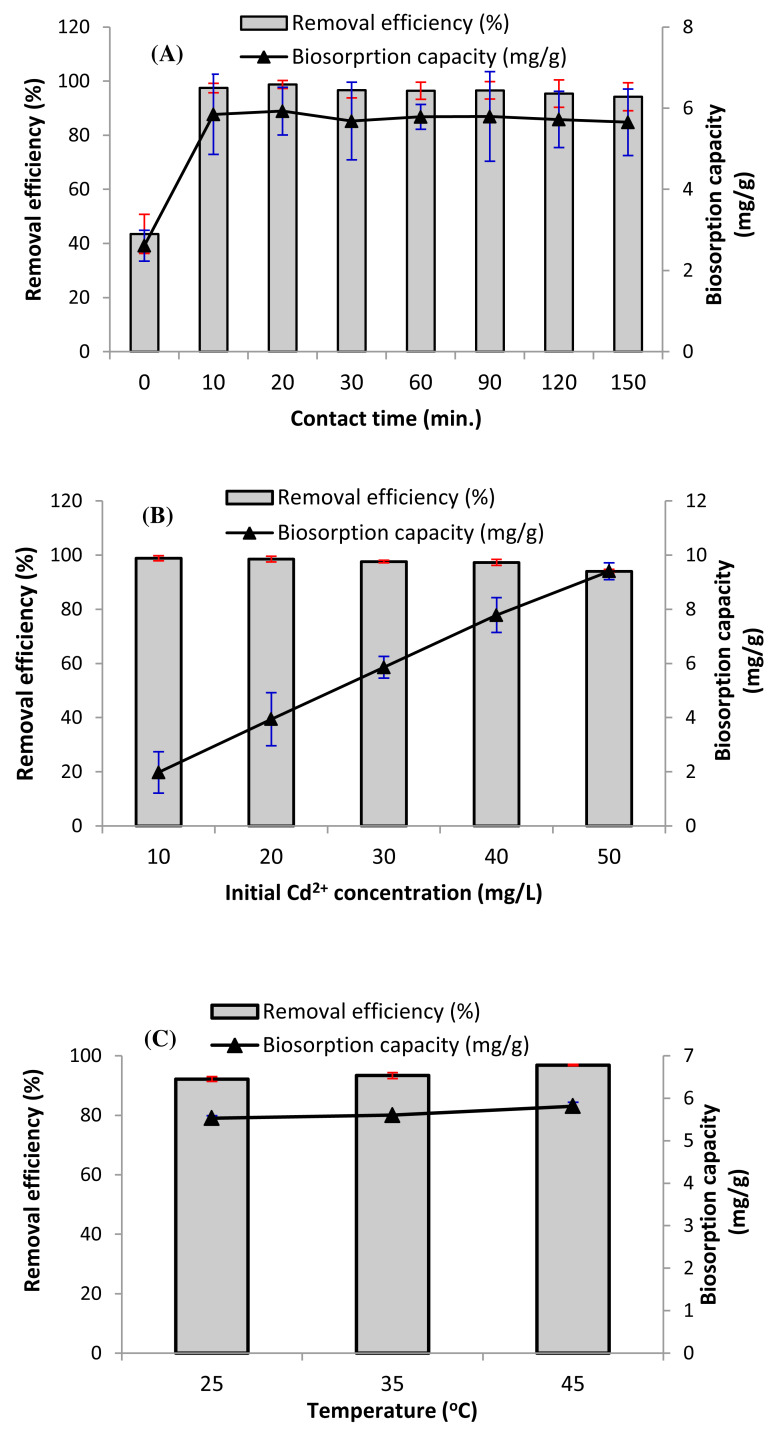
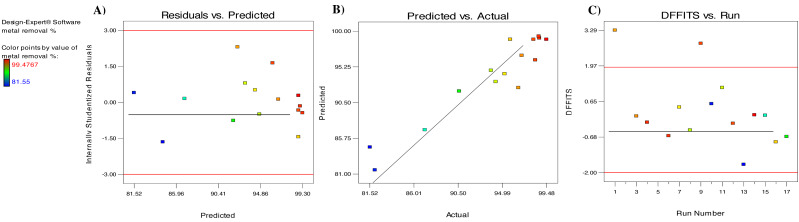
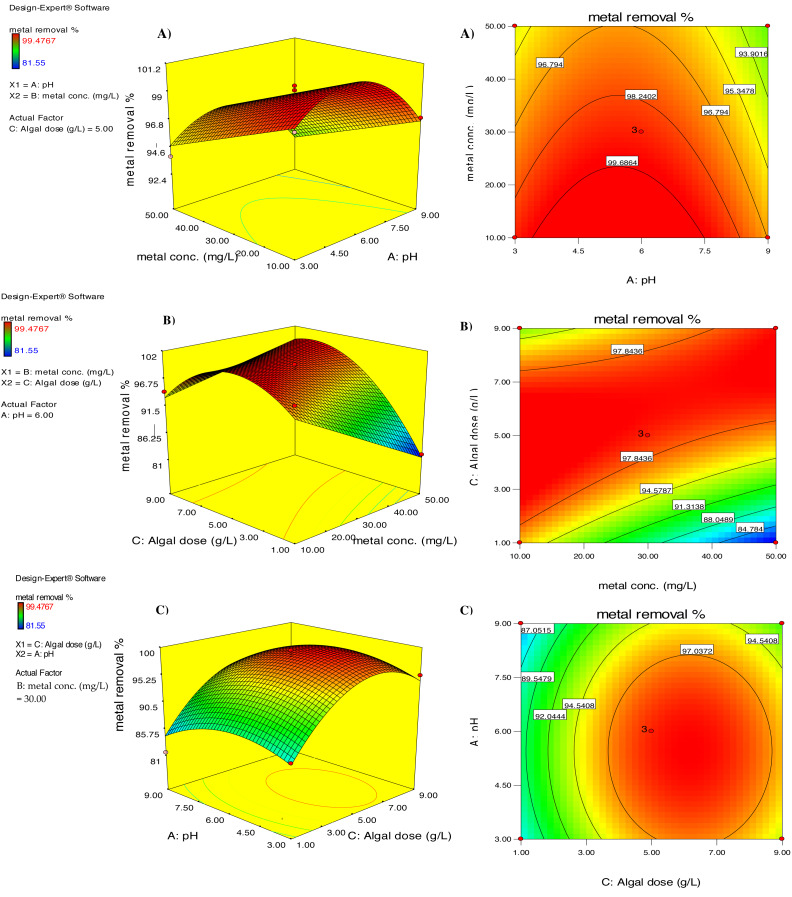
Batch adsorption studies were carried out to evaluate the individual impacts of adsorbent-metal contact time, cadmium concentration, and temperature on the cadmium removal efficiency and biosorption capacity. The Box-Benhken experimental design of response surface methodology was also used to investigate the relationship between different factors (pH, Cd concentration and algal dose) and the cadmium removal efficiency of pretreated .
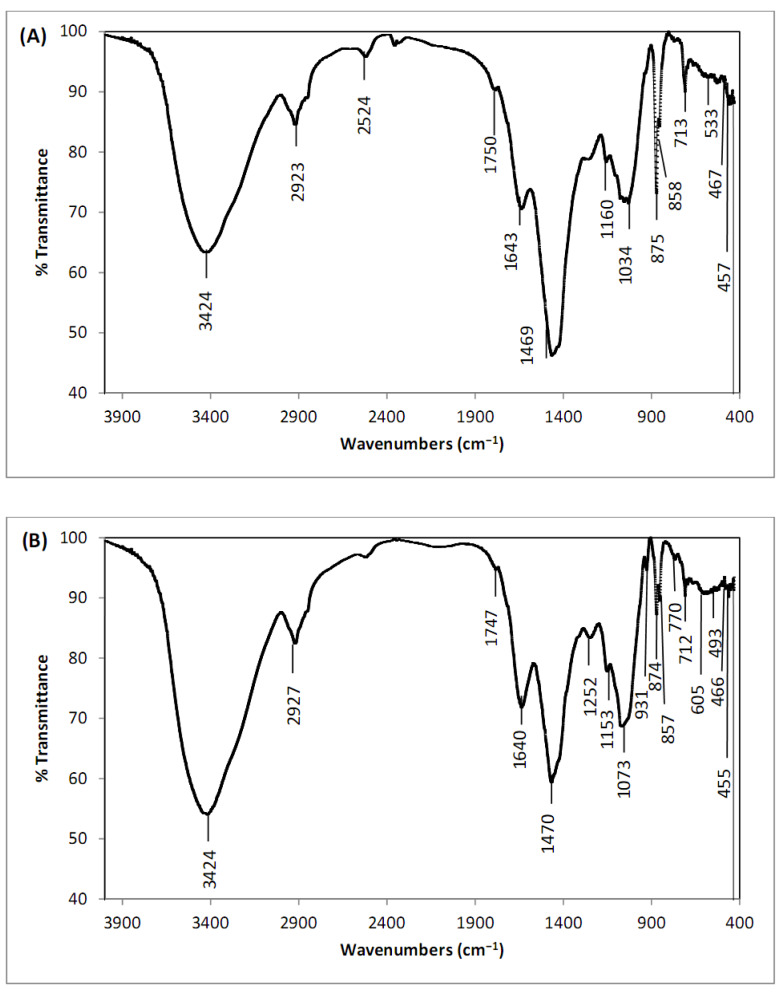
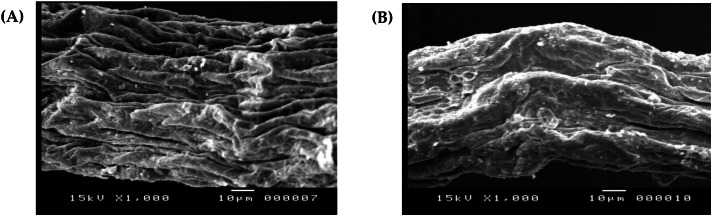
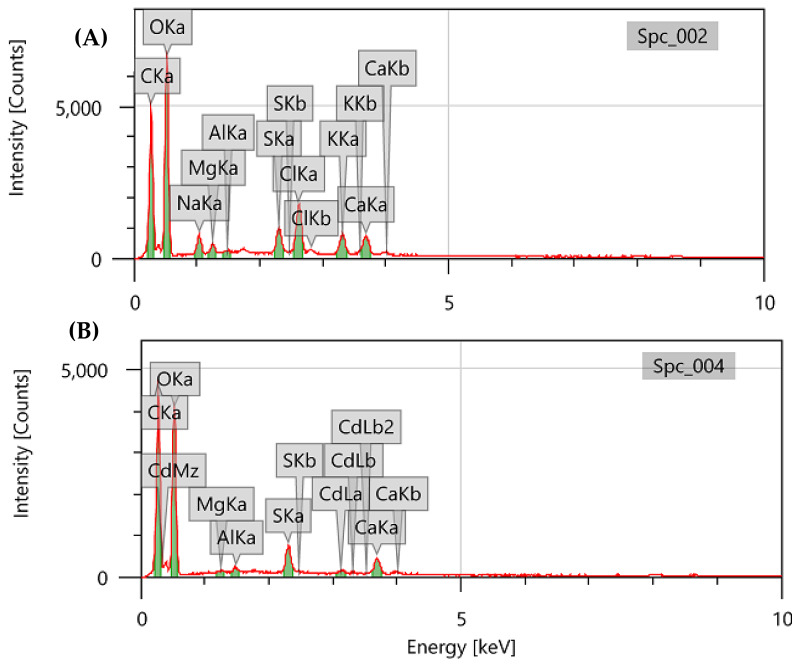
The highest removal efficiency of 97.27% was achieved by combining different optimal parameters, including pH 5.78, initial Cd concentration of 24.79 mg/L, and adsorbent dosage of 6.13 g/L. Moreover, cadmium removal from agricultural wastewater samples by pretreated was evaluated under the optimal conditions, and the removal rate excessed 97%. Kinetic and isotherm investigations showed that the pseudo-second-order, Freundlich, Langmuir, and Dubinin-Radushkevich models of cadmium biosorption on pretreated algal biomass correlated well with the experimental biosorption data, implying that the biosorption of Cd is a homogeneous monolayer and multilayer chemisorption process. The equilibrium isotherm data indicated that the biosorption capacity of the biosorbent was 11.16 mg/g as determined by the Langmuir model. Furthermore, the biosorption process was evaluated as an endothermic process with entropy and enthalpy values of 0.134 kJ/mol K and 38.01 kJ/mol, respectively. The functional groups, surface morphology, and elemental composition of the algal biomass were investigated, revealing the porous nature of the cell surface and the abundance of functional groups responsible for the Cd biosorption process. These results suggest that DSC biomass can be used as a biosorbent for the effective removal of Cd ions from effluent due to its availability and strong biosorption capability.
工业废水造成的镉污染会引发重大健康问题,因此在废水排放前必须将其去除。本研究的目的是使用经氯化钙(CaCl)预处理的红色大型藻类(DSC)从水生环境中去除镉(Cd)。
进行了批量吸附研究,以评估吸附剂与金属的接触时间、镉浓度和温度对镉去除效率和生物吸附容量的单独影响。还采用响应面法的Box - Benhken实验设计来研究不同因素(pH值、Cd浓度和藻类剂量)与预处理后的镉去除效率之间的关系。
通过组合不同的最佳参数,包括pH值5.78、初始Cd浓度24.79 mg/L和吸附剂剂量6.13 g/L,实现了97.27%的最高去除效率。此外,在最佳条件下评估了预处理后的藻类对农业废水样品中镉的去除情况,去除率超过97%。动力学和等温线研究表明,镉在预处理藻类生物质上的生物吸附的准二级、Freundlich、Langmuir和Dubinin - Radushkevich模型与实验生物吸附数据相关性良好,这意味着Cd的生物吸附是一个均匀的单层和多层化学吸附过程。平衡等温线数据表明,根据Langmuir模型测定,生物吸附剂的生物吸附容量为11.16 mg/g。此外,生物吸附过程被评估为吸热过程,熵和焓值分别为0.134 kJ/mol K和38.01 kJ/mol。对藻类生物质的官能团、表面形态和元素组成进行了研究,揭示了细胞表面的多孔性质以及负责Cd生物吸附过程的官能团的丰富性。这些结果表明,由于DSC生物质的可得性和强大的生物吸附能力,它可以用作生物吸附剂从废水中有效去除Cd离子。