Feleke Mulualem Gete, Ayalew Tadele Lankrew, Ashager Kidist, Beyene Hailu Asmare, Abate Moges Wubneh, Tibebu Nigusie Selomon
School of Nursing, College of Medicine and Health Sciences, Wolaita Sodo University, Wolaita Sodo, Ethiopia.
Departments of Adult Health Nursing, College of Health Sciences, Debre Tabor University, Debre Tabor, Ethiopia.
BMC Surg. 2025 Aug 9;25(1):354. doi: 10.1186/s12893-025-03108-z.
Appendicitis is life-threatening abdominal surgical emergency worldwide, requires timely medical intervention to prevent adverse outcomes such as wound infection, pneumonia, intra-peritoneal fluid collection, and death. These complications remain a significant challenge in Ethiopia. This study aimed to assess the pooled magnitude of unfavorable management outcome and identify associated factors among appendicitis patients in Ethiopia.
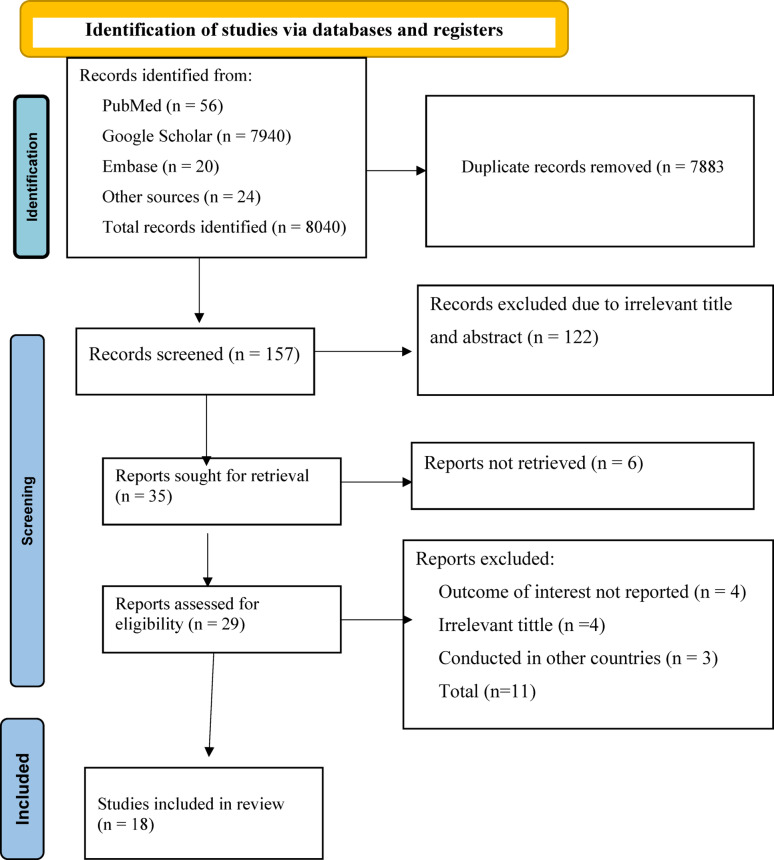
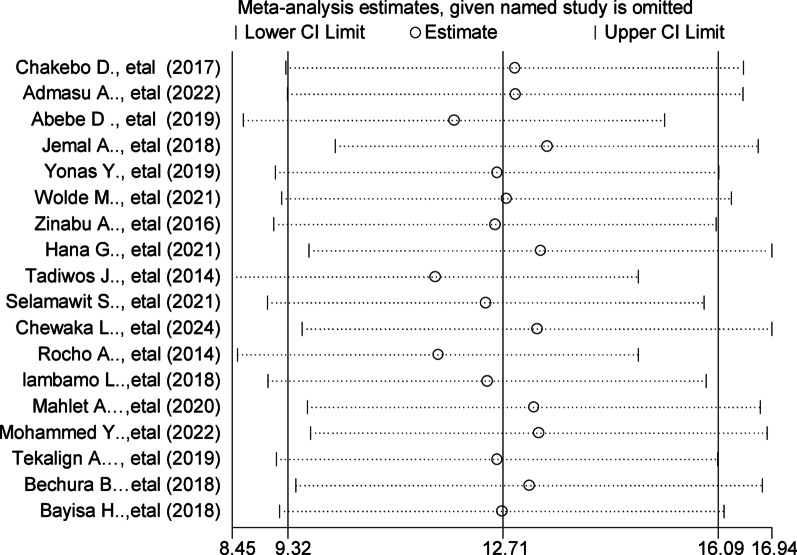
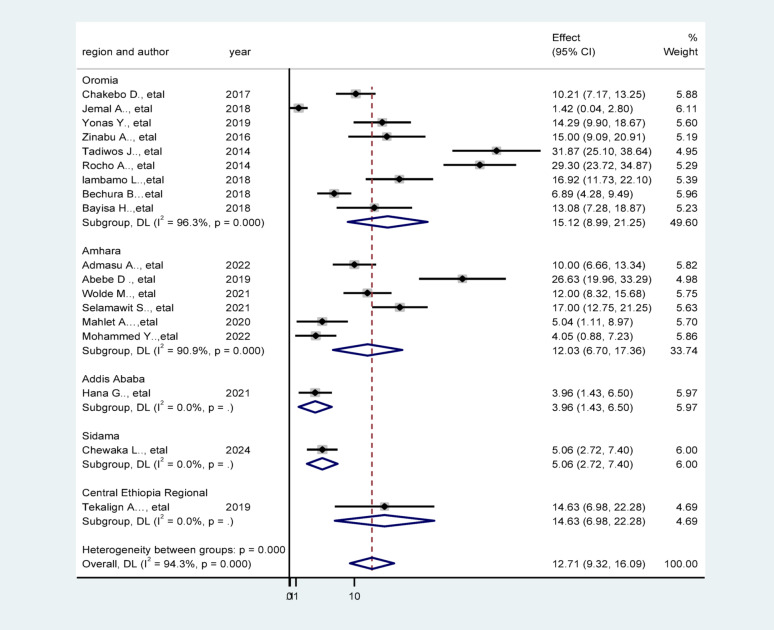
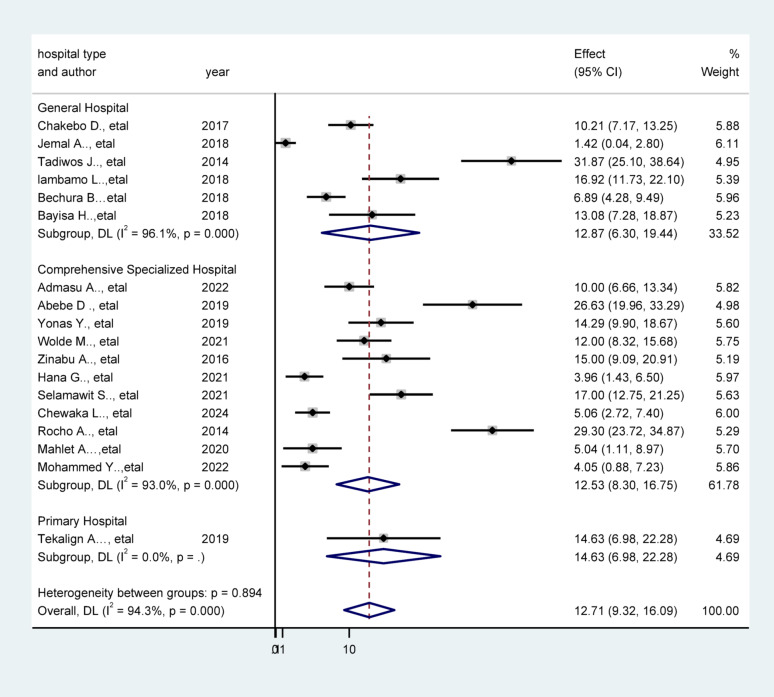
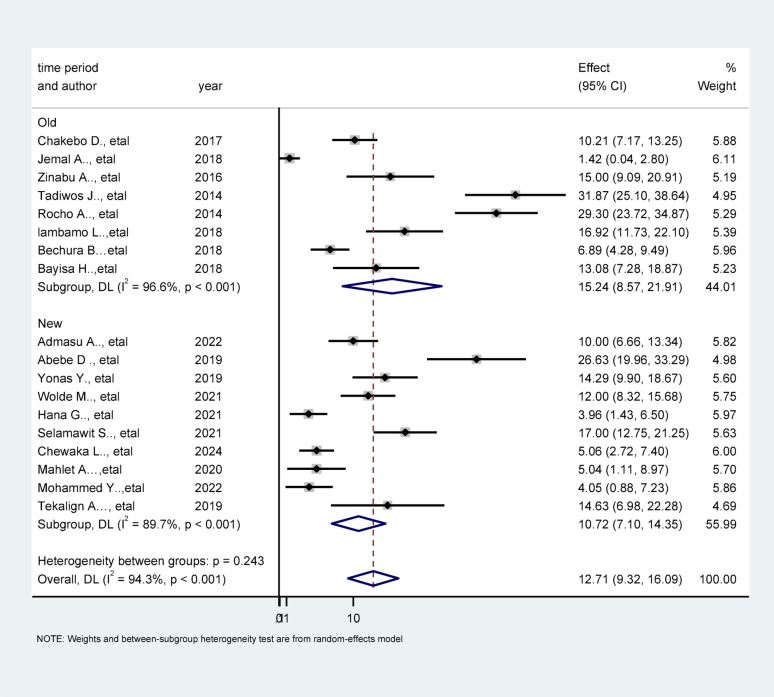
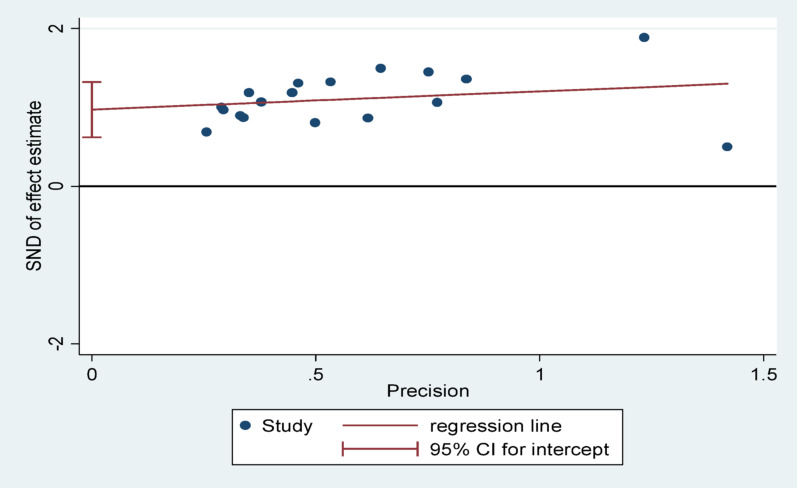
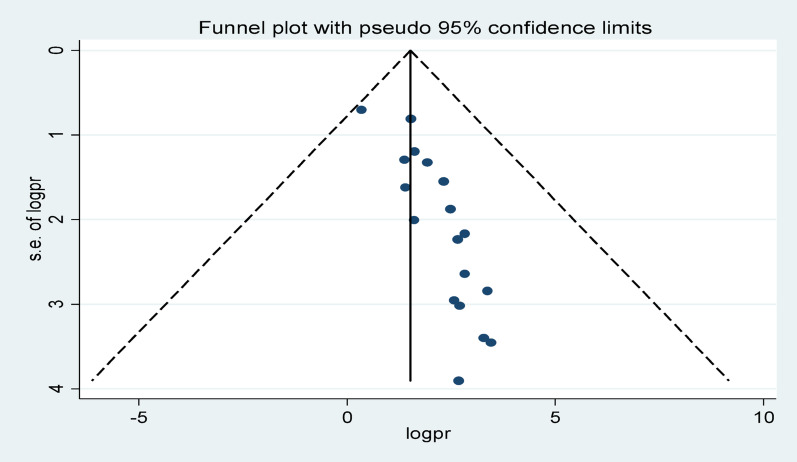
We conducted a systematic search of databases for studies reporting appendicitis outcomes in Ethiopia. Eligible studies were screened based on predefined criteria. Statistical analyses were performed using STATA version 14. Heterogeneity was assessed with I² and Cochran's Q tests; due to substantial heterogeneity, a random-effects model was applied. Publication bias was evaluated using funnel plots, Egger's test, and the trim-and-fill method. Subgroup analyses explored sources of heterogeneity based on study region and hospital type.
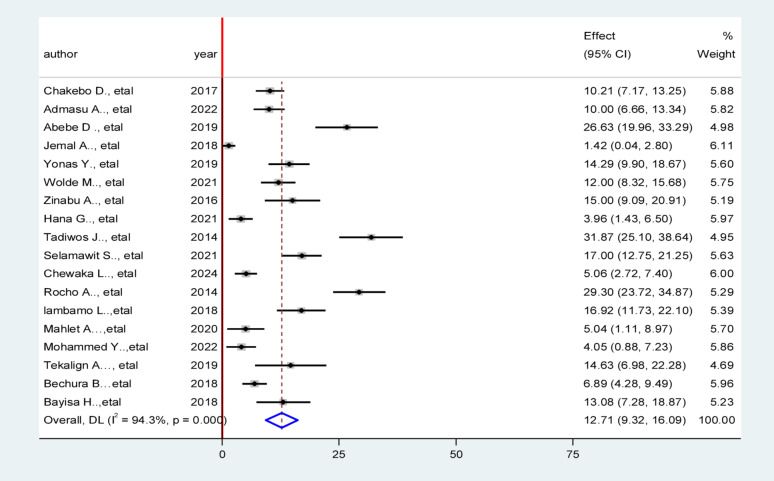
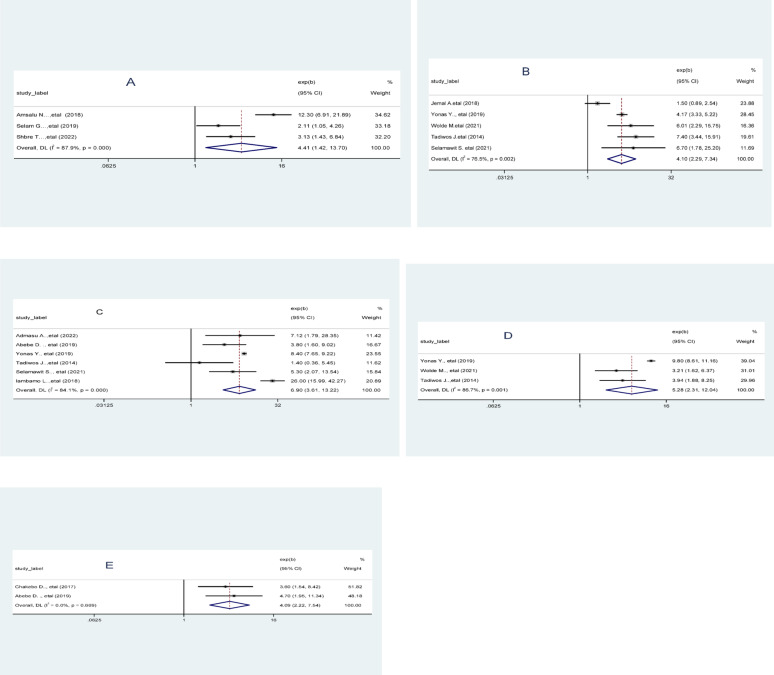
Eighteen studies articles were included. The pooled prevalence of unfavorable management outcome among appendicitis patient was 12.71% (95%CI: 9.32-16.09). Sub-group analysis showed that Oromia region had the highest prevalence of poor management outcome. Duration of illness [AOR = 4.41 (95%CI: 1.42-13.70)], right lower quadrant abdominal mass [AOR = 4.1 (95%CI: 2.29-7.34)], presence of intraoperative abscess [AOR = 6.9 (95% CI: 3.61-13.22)], lengths of postoperative hospital stays [OR = 5.28 (95%CI: 2.31-12.04)], elevated white blood cell count [AOR = 4.09 (95%CI: 2.22-7.54)] were a significant association with unfavorable management outcome of appendicitis.
Unfavorable management outcomes in appendicitis patients in Ethiopia are significantly associated with several clinical factors. Enhancing early diagnosis, prompt surgical intervention, and standardized postoperative care are essential to reduce these adverse outcomes.
阑尾炎是全球危及生命的腹部外科急症,需要及时的医疗干预以预防诸如伤口感染、肺炎、腹腔积液和死亡等不良后果。在埃塞俄比亚,这些并发症仍然是一项重大挑战。本研究旨在评估埃塞俄比亚阑尾炎患者不良管理结局的合并发生率,并确定相关因素。
我们对数据库进行了系统检索,以查找报告埃塞俄比亚阑尾炎结局的研究。根据预定义标准筛选符合条件的研究。使用STATA 14版进行统计分析。采用I²和 Cochr an's Q检验评估异质性;由于存在实质性异质性,应用随机效应模型。使用漏斗图、Egger检验和修剪填充法评估发表偏倚。亚组分析根据研究地区和医院类型探索异质性来源。
纳入了18篇研究文章。阑尾炎患者不良管理结局的合并发生率为12.71%(95%CI:9.32 - 16.09)。亚组分析表明,奥罗米亚地区管理结局不良的发生率最高。病程[AOR = 4.41(95%CI:1.42 - 13.70)]、右下腹肿块[AOR = 4.1(95%CI:2.29 - 7.34)]、术中脓肿的存在[AOR = 6.9(95%CI:3.61 - 13.22)]、术后住院时间[OR = 5.28(95%CI:2.31 - 12.04)]、白细胞计数升高[AOR = 4.09(95%CI:2.22 - 7.54)]与阑尾炎不良管理结局显著相关。
埃塞俄比亚阑尾炎患者的不良管理结局与多种临床因素显著相关。加强早期诊断、及时手术干预和标准化术后护理对于减少这些不良结局至关重要。