
唾液α淀粉酶作为一种代谢生物标志物:分析工具、挑战及临床前景
Salivary α-Amylase as a Metabolic Biomarker: Analytical Tools, Challenges, and Clinical Perspectives.
作者信息
Erta Gita, Gersone Gita, Jurka Antra, Tretjakovs Peteris
机构信息
Department of Human Physiology and Biochemistry, Riga Stradins University, LV-1007 Riga, Latvia.
出版信息
Int J Mol Sci. 2025 Jul 30;26(15):7365. doi: 10.3390/ijms26157365.
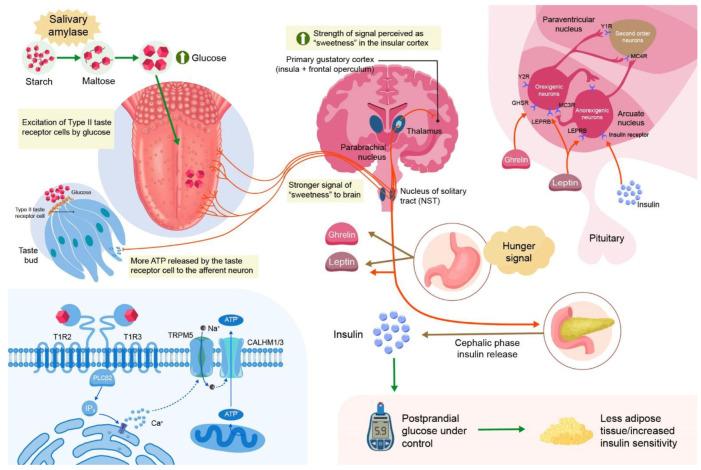
Salivary α-amylase, primarily encoded by the AMY1 gene, initiates the enzymatic digestion of dietary starch in the oral cavity and has recently emerged as a potential biomarker in metabolic research. Variability in salivary amylase activity (SAA), driven largely by copy number variation of AMY1, has been associated with postprandial glycemic responses, insulin secretion dynamics, and susceptibility to obesity. This review critically examines current analytical approaches for quantifying SAA, including enzymatic assays, colorimetric techniques, immunoassays, and emerging biosensor technologies. The methodological limitations related to sample handling, intra-individual variability, assay standardization, and specificity are highlighted in the context of metabolic and clinical studies. Furthermore, the review explores the physiological relevance of SAA in energy homeostasis and its associations with visceral adiposity and insulin resistance. We discuss the potential integration of SAA measurements into obesity risk stratification and personalized dietary interventions, particularly in individuals with altered starch metabolism. Finally, the review identifies key research gaps and future directions necessary to validate SAA as a reliable metabolic biomarker in clinical practice. Understanding the diagnostic and prognostic value of salivary amylase may offer new insights into the prevention and management of obesity and related metabolic disorders.
唾液α-淀粉酶主要由AMY1基因编码,在口腔中启动膳食淀粉的酶促消化,最近已成为代谢研究中的一种潜在生物标志物。唾液淀粉酶活性(SAA)的变异性主要由AMY1的拷贝数变异驱动,与餐后血糖反应、胰岛素分泌动态以及肥胖易感性有关。本综述批判性地审视了目前用于量化SAA的分析方法,包括酶法测定、比色技术、免疫测定和新兴的生物传感器技术。在代谢和临床研究的背景下,强调了与样品处理、个体内变异性、测定标准化和特异性相关的方法学局限性。此外,本综述探讨了SAA在能量稳态中的生理相关性及其与内脏脂肪增多和胰岛素抵抗的关联。我们讨论了将SAA测量纳入肥胖风险分层和个性化饮食干预的潜力,特别是在淀粉代谢改变的个体中。最后,本综述确定了在临床实践中验证SAA作为可靠代谢生物标志物所需的关键研究差距和未来方向。了解唾液淀粉酶的诊断和预后价值可能为肥胖及相关代谢紊乱的预防和管理提供新的见解。
 Zotero 插件