Prem Priyanka N, Kurian Gino A
School of Chemical and Biotechnology, SASTRA Deemed University, Tirumalaisamudram, Thanjavur, Tamil Nadu, India.
Vascular Biology Lab, SASTRA Deemed University, Tirumalaisamudram, Thanjavur, Tamil Nadu, India.
Biol Res. 2025 Aug 18;58(1):56. doi: 10.1186/s40659-025-00636-z.
Sodium Thiosulfate (STS), a clinically approved agent for cyanide poisoning and vascular calcification, possesses antioxidant, anti-inflammatory, mitochondrial preservation, and metal chelation capabilities, rendering it a promising candidate for managing ischemia-reperfusion (IR) injury. The detrimental impact of high-fat diets (HD) on the outcomes of IR during renal surgeries is well-documented. However, the potential of STS to ameliorate renal IR injury in rat fed with high fat diet is not known.
Male Wistar rats were fed a standard diet (SD) or a high-fat diet (HD) for 16 weeks before undergoing an IR protocol (45 min of ischemia followed by 24 h of reperfusion). STS (10 mg/kg) was administered 30 min before IR.
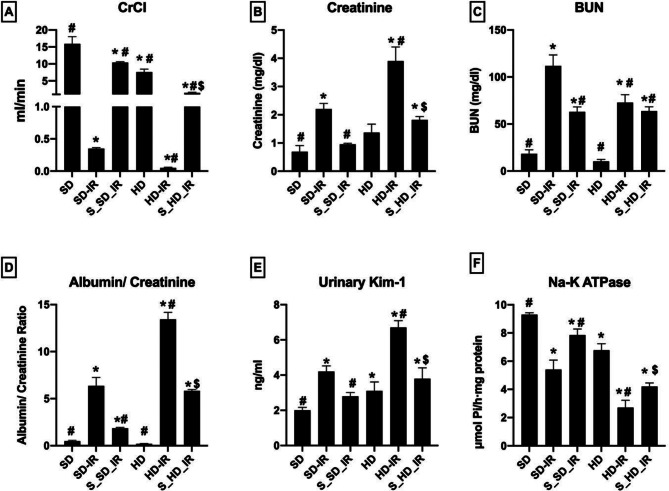
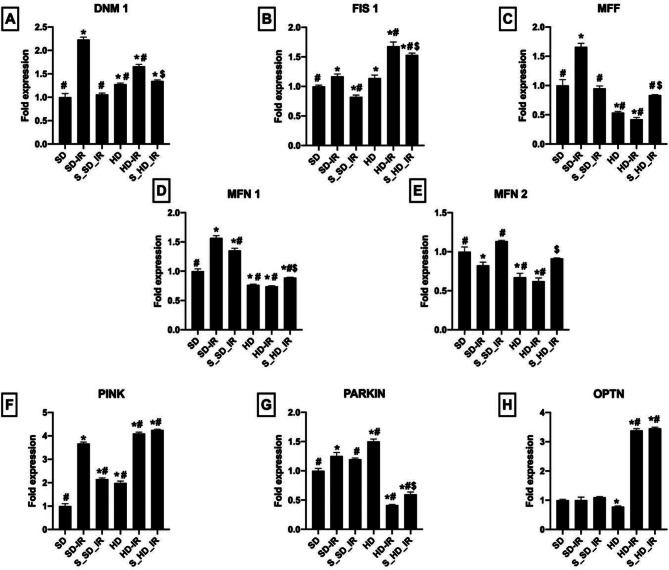
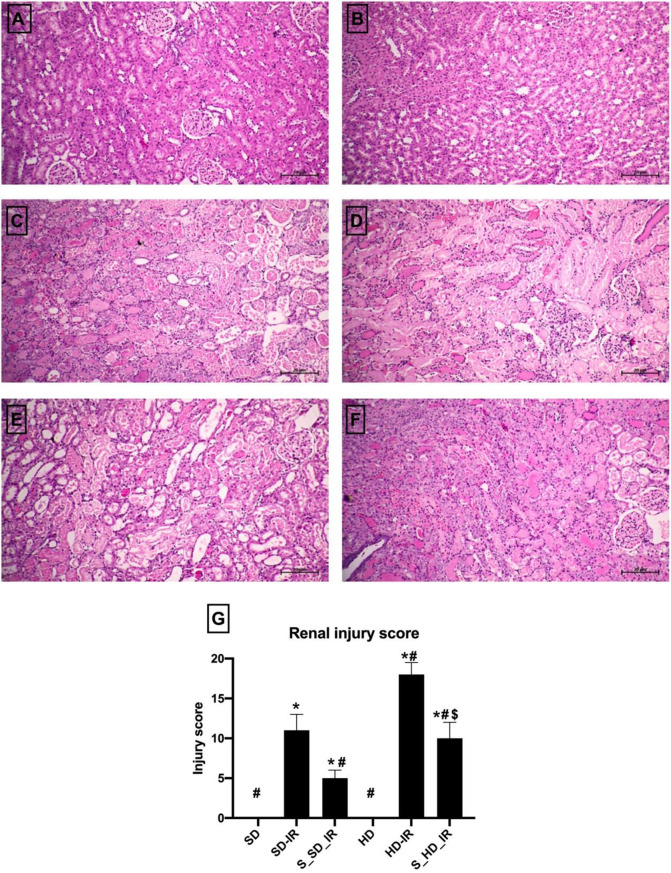
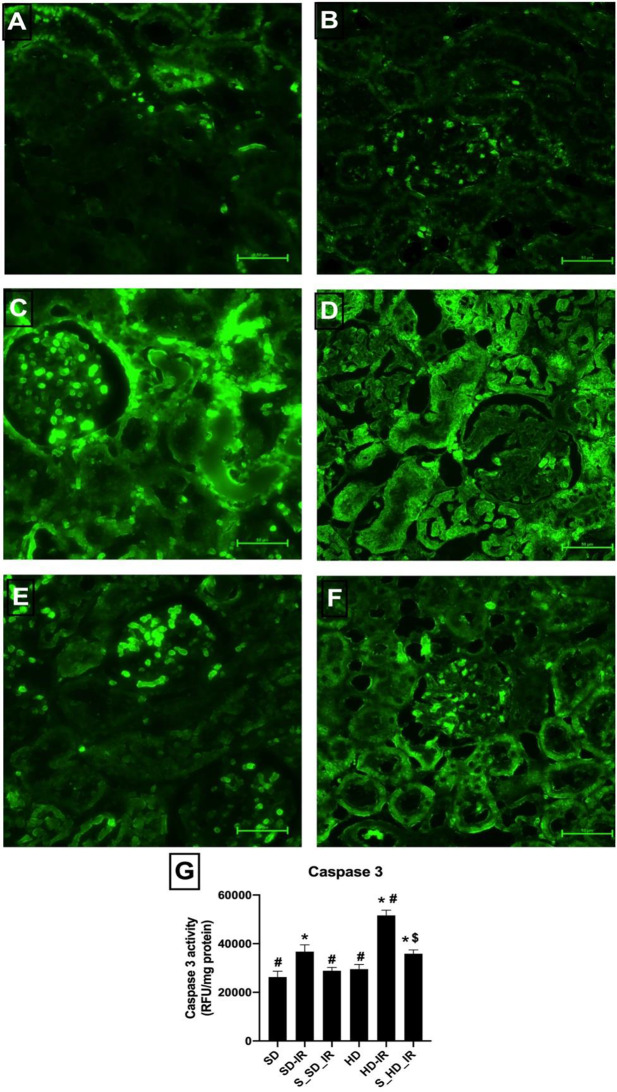
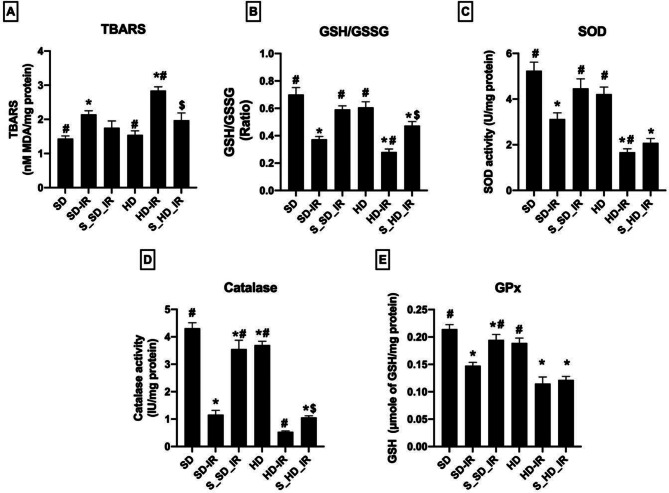
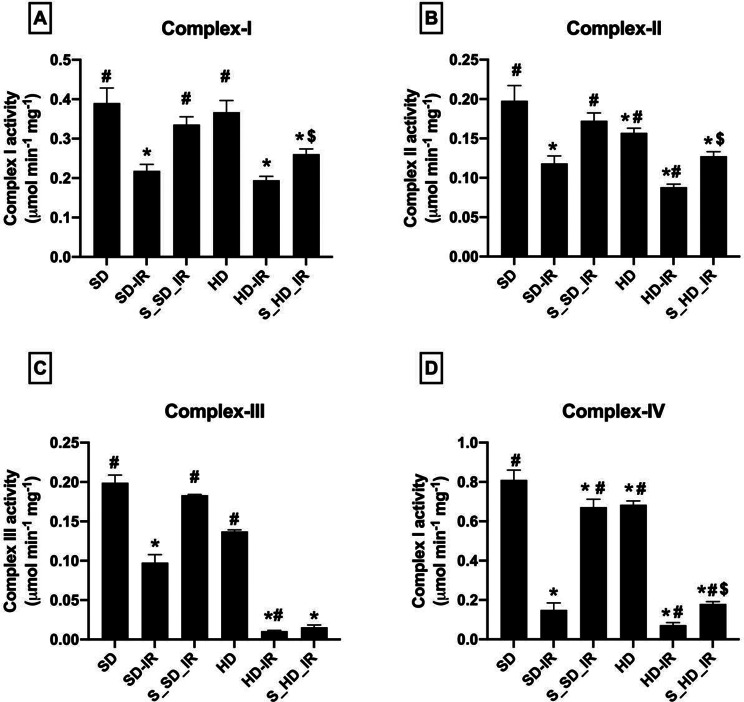
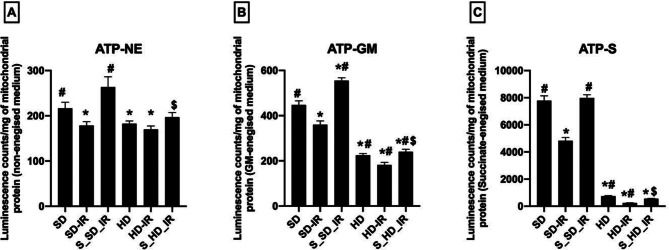
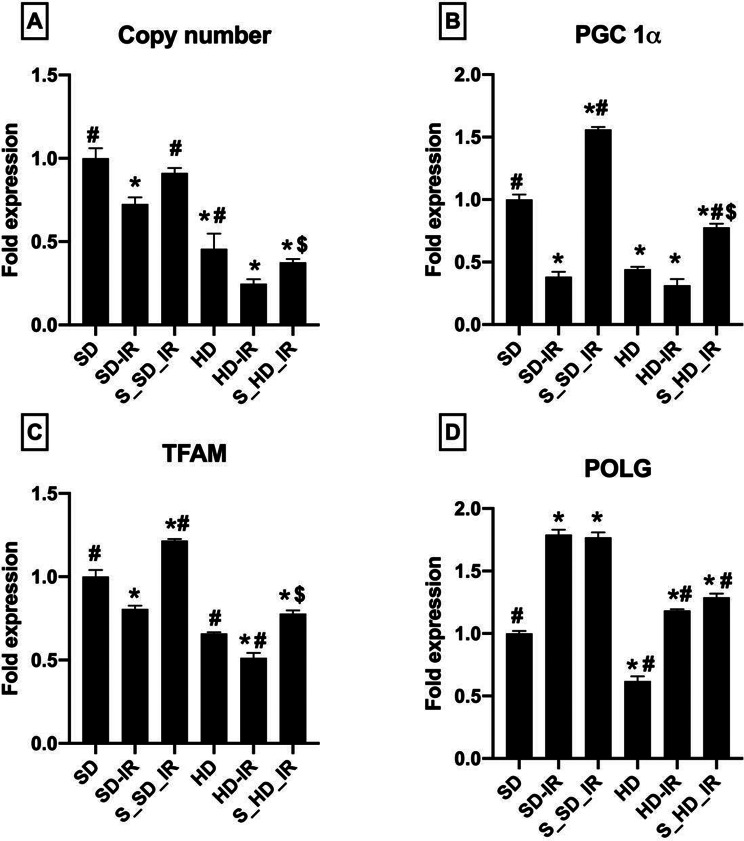
STS effectively mitigated IR-induced physiological decline and tissue damage in SD rats but was less effective in HD rats. To explore this difference, we measured renal mitochondrial quality. STS improved mitochondrial bioenergetics, balanced mitochondrial dynamics, and increased mitochondrial copy number in SD-IR rats more than in HD-IR rats. Additionally, STS significantly reduced oxidative stress and upregulated Pgc-1α, Polg, and Tfam genes in SD-IR rats but had a lesser effect in HD-IR rats. The 16-week HD significantly reduced renal mitochondrial quality at the basal level, hindering STS-mediated protection.
These findings highlight the efficacy of STS in managing renal IR and emphasize the need for nutritional support to restore mitochondrial function in high-fat diet subjects.
硫代硫酸钠(STS)是一种临床上已获批用于氰化物中毒和血管钙化的药物,具有抗氧化、抗炎、保护线粒体和金属螯合能力,使其成为治疗缺血再灌注(IR)损伤的有前景的候选药物。高脂饮食(HD)对肾脏手术期间IR结局的有害影响已有充分记录。然而,STS改善高脂饮食喂养大鼠肾IR损伤的潜力尚不清楚。
雄性Wistar大鼠在接受IR方案(45分钟缺血,随后24小时再灌注)前16周喂食标准饮食(SD)或高脂饮食(HD)。在IR前30分钟给予STS(10mg/kg)。
STS有效减轻了SD大鼠IR诱导的生理衰退和组织损伤,但对HD大鼠的效果较差。为了探究这种差异,我们测量了肾线粒体质量。与HD-IR大鼠相比,STS在SD-IR大鼠中更能改善线粒体生物能量学、平衡线粒体动力学并增加线粒体拷贝数。此外,STS显著降低了SD-IR大鼠的氧化应激并上调了Pgc-1α、Polg和Tfam基因,但对HD-IR大鼠的影响较小。16周的HD显著降低了基础水平的肾线粒体质量,阻碍了STS介导的保护作用。
这些发现突出了STS在治疗肾IR方面的疗效,并强调了在高脂饮食受试者中需要营养支持以恢复线粒体功能。