
一种模拟十二指肠上皮肠道神经支配及对屏障功能影响的无泵、高通量微生理系统。
A Pumpless, High-Throughput Microphysiological System to Mimic Enteric Innervation of Duodenal Epithelium and the Impact on Barrier Function.
作者信息
Kaiser Kyla N, Snyder Jessica R, Koppes Ryan A, Koppes Abigail N
机构信息
Department of Chemical Engineering, Northeastern University, Boston, MA 02155, USA.
Department of Bioengineering, Northeastern University, Boston, MA 02155, USA.
出版信息
Adv Funct Mater. 2024 Dec 16;34(51). doi: 10.1002/adfm.202409718. Epub 2024 Sep 3.
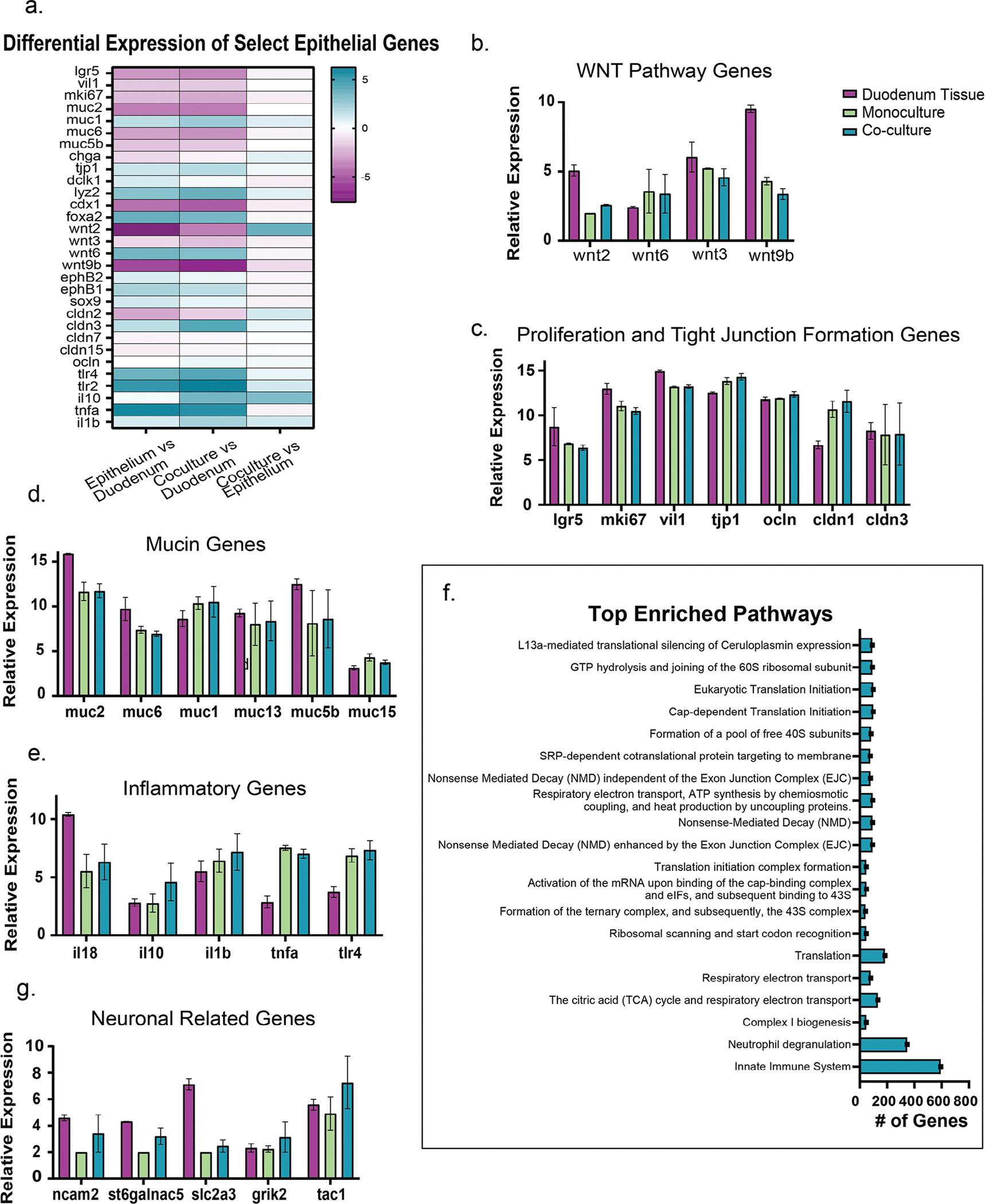
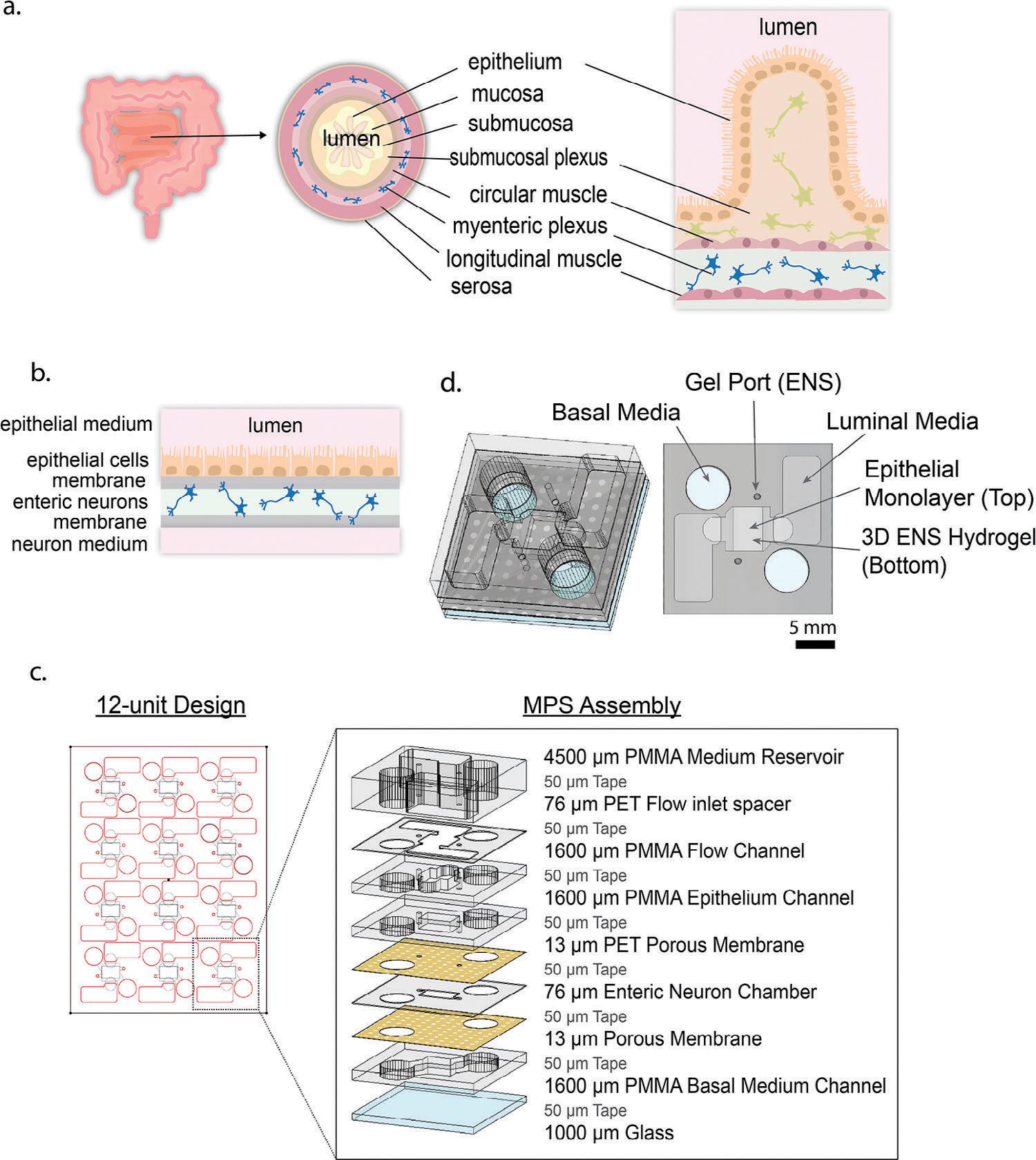
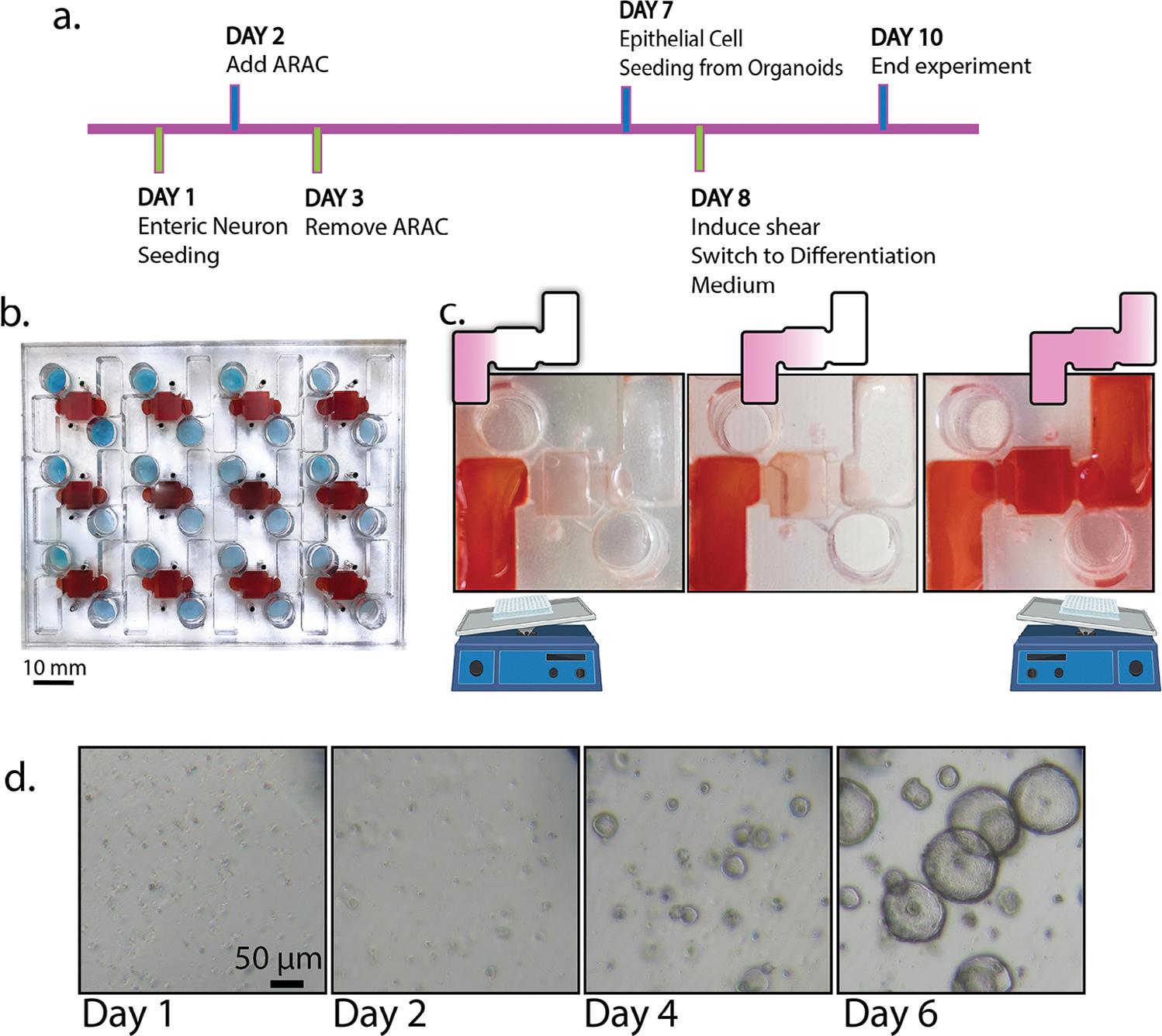
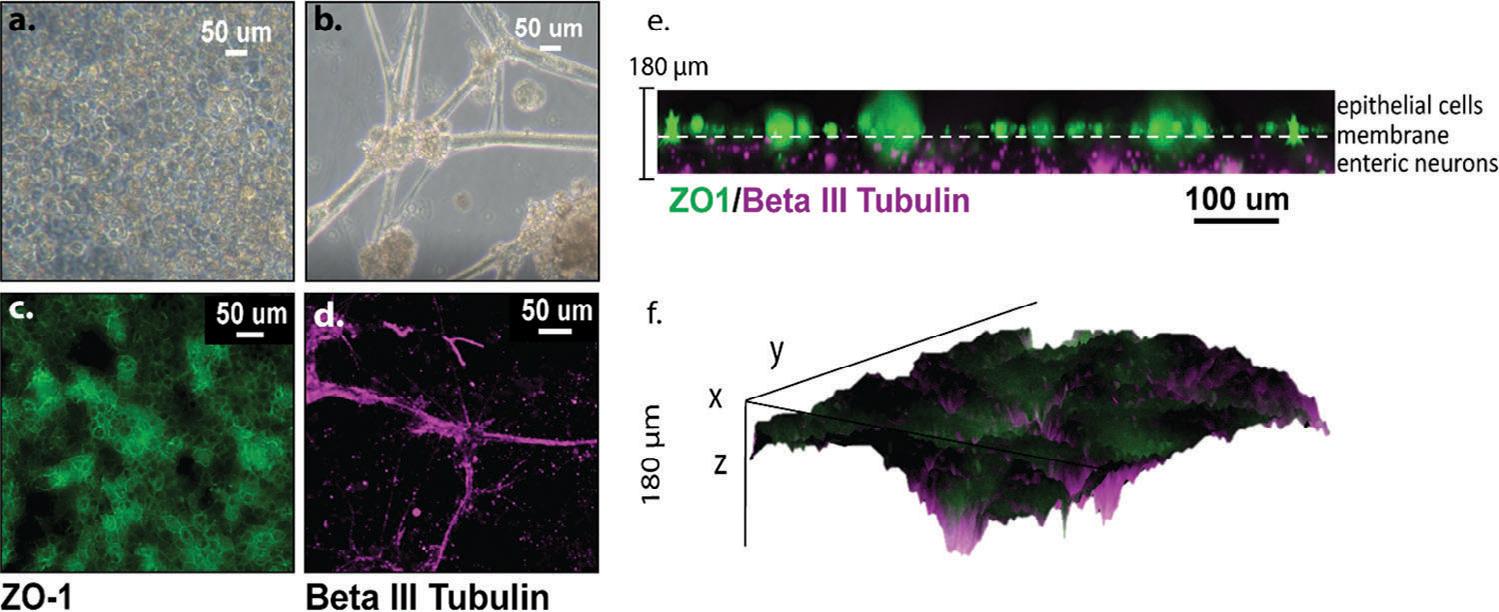
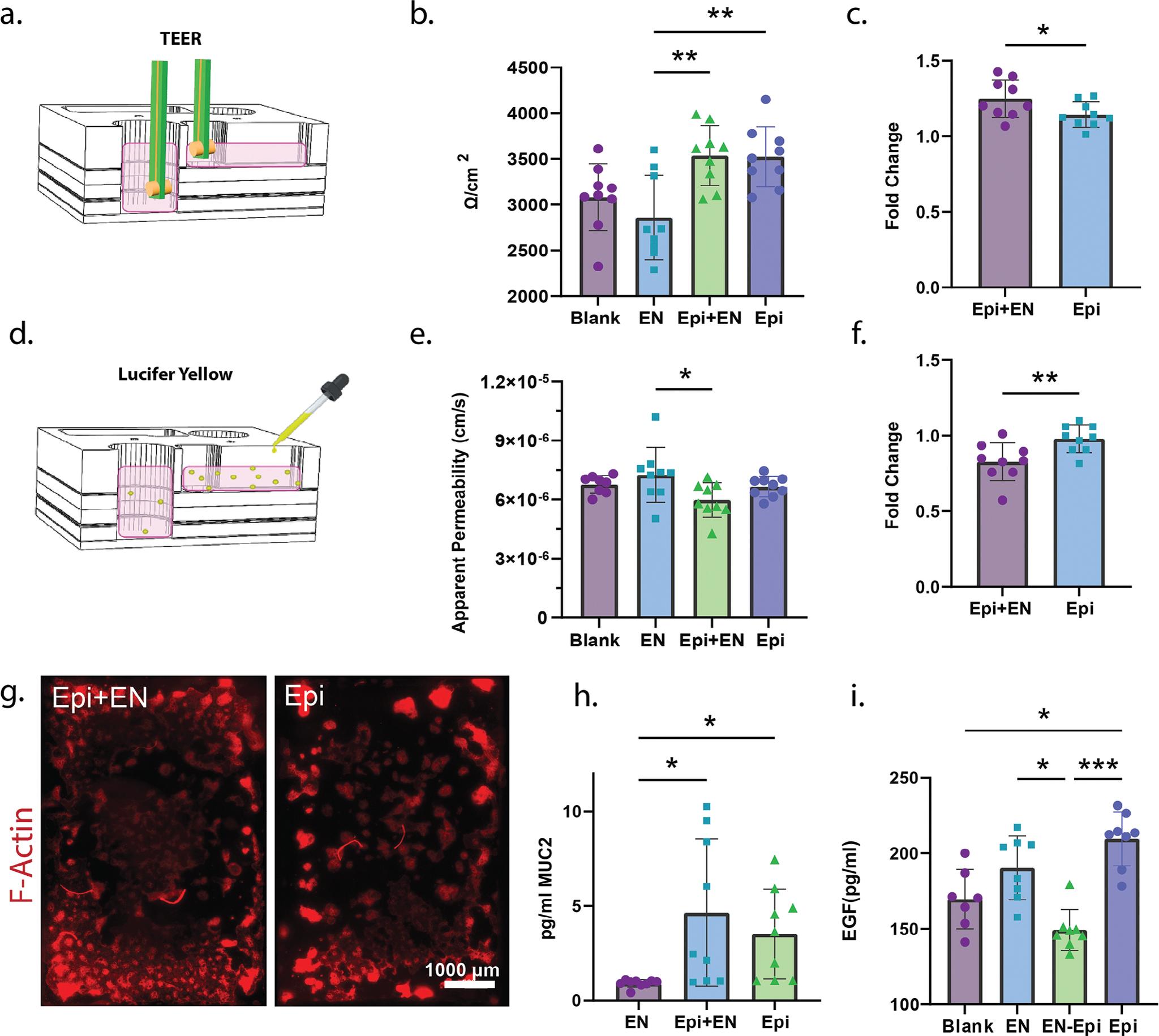
Enteric neurons are critical in maintaining organ homeostasis within the small intestine, and their dysregulation are implicated in gastrointestinal disorders and neurodegenerative diseases. Most in vitro models lack enteric innervation, limiting basic discovery and disease modeling research. Here, a high-throughput 3D microphysiological system (MPS), or organ chip is presented that supports a primary epithelial monolayer interfacing directly with encapsulated primary enteric neurons. The device features twelve 3D MPSs per device and gravity-driven flow via a laboratory rocker to induce biomimetic shear stress on the epithelium culture and provide continuous nutrient presentation. Intestinal and neural tissue exhibited expected morphologies. Neural gene upregulation in the epithelium suggests RNA contamination from proximal enteric neurons extending neurites toward the epithelial monolayer. With the enteric nervous system (ENS), barrier integrity significantly increased for both TEER and permeability assays, a 1.25-fold greater resistance and 10% lower permeability as compared to epithelium cultured alone. The presence of the ENS resulted in a significant (1.4-fold) reduction in epidermal growth factor (EGF). Additionally, several key epithelial genes are compared between duodenal tissue and epithelial monolayers with and without neurons present. Results demonstrated changes in cytokine gene expression and WNT pathways, highlighting innervation is essential to create more biomimetic and physiologically relevant in vitro models.
肠神经元对于维持小肠内的器官稳态至关重要,其失调与胃肠道疾病和神经退行性疾病有关。大多数体外模型缺乏肠神经支配,限制了基础发现和疾病建模研究。在此,提出了一种高通量三维微生理系统(MPS)或器官芯片,它支持初级上皮单层直接与封装的初级肠神经元相互作用。该装置每个设备有十二个三维MPS,通过实验室摇床实现重力驱动流动,以在上皮细胞培养物上诱导仿生剪切应力并提供持续的营养供应。肠道和神经组织呈现出预期的形态。上皮细胞中神经基因上调表明存在来自向单层上皮延伸神经突的近端肠神经元的RNA污染。对于肠神经系统(ENS),在跨上皮电阻(TEER)和通透性测定中屏障完整性显著增加,与单独培养的上皮相比,电阻增加1.25倍,通透性降低10%。ENS的存在导致表皮生长因子(EGF)显著(1.4倍)减少。此外,还比较了十二指肠组织与存在和不存在神经元的上皮单层之间的几个关键上皮基因。结果表明细胞因子基因表达和WNT信号通路发生了变化,突出了神经支配对于创建更具仿生学和生理相关性的体外模型至关重要。
 Zotero 插件