Wang Tianyi, Zhang Yaming, Liu Yuwei, Wang Lichao, Liu Lijun, Wang Weiping
Department of Nasopharyngeal Carcinoma, Sun Yat-sen University Cancer Center, State Key Laboratory of Oncology in South China, Collaborative Innovation Center for Cancer Medicine, Guangdong Key Laboratory of Nasopharyngeal Carcinoma Diagnosis and Therapy, Guangdong Provincial Clinical Research Center for Cancer, Guangzhou 510060, China.
State Key Laboratory of Pharmaceutical Biotechnology, The University of Hong Kong, Hong Kong, China.
iScience. 2025 Aug 6;28(9):113304. doi: 10.1016/j.isci.2025.113304. eCollection 2025 Sep 19.
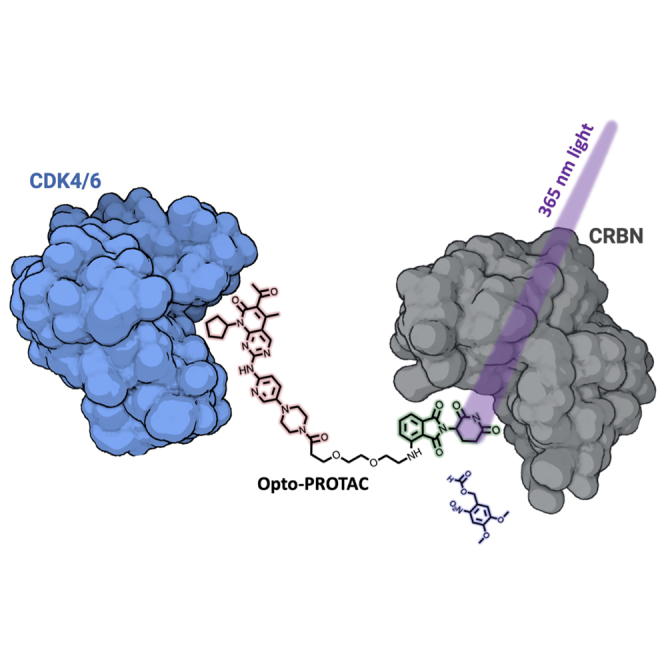
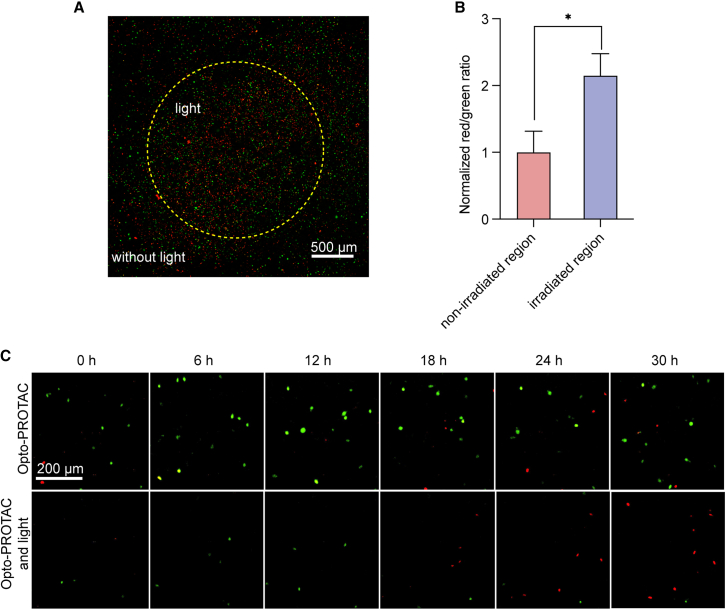
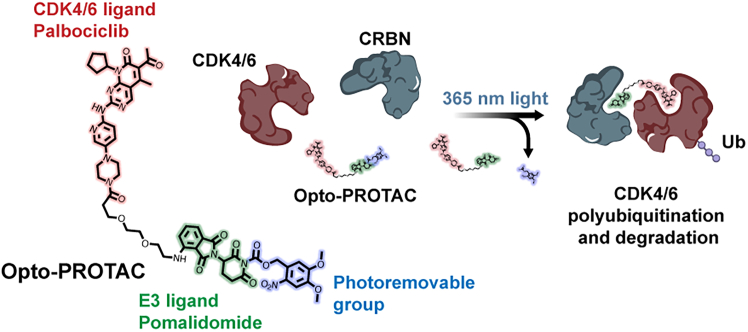
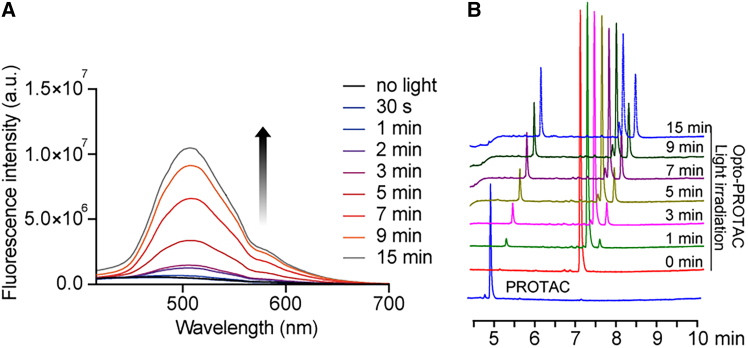
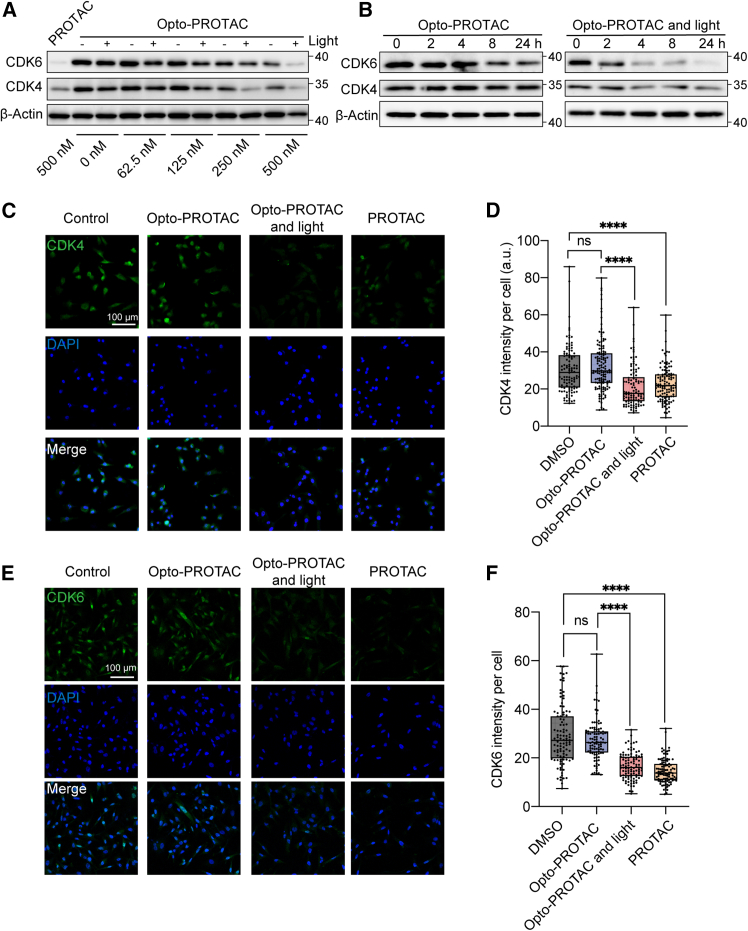
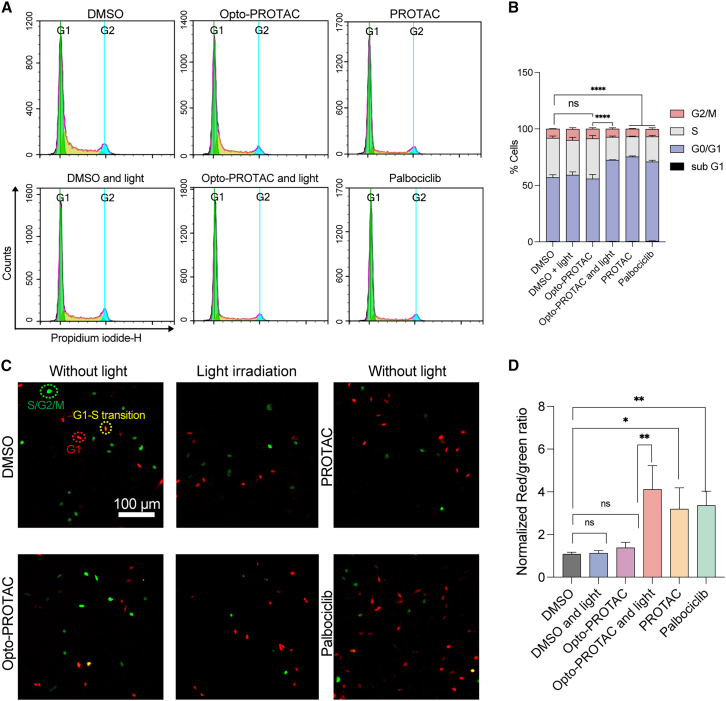
Cancer progression is characterized by dysregulated G1/S phase transition mediated by CDK4/6-dependent Rb protein phosphorylation. Although CDK4/6 degraders show encouraging anti-tumor efficacy, it is highly desired to develop strategies to spatiotemporally control the release of active CDK4/6 degraders to further reduce adverse effects. In this study, we employ an optochemical strategy for CDK4/6 degradation by caging the CRBN ligand with a photoremovable protecting group. Light irradiation at 365 nm triggers photocleavage, thereby inducing CDK4/6 degradation via the ubiquitin-proteasome system. The resultant G1-phase arrest demonstrates spatial and temporal control over cell-cycle progression, reducing off-target effects of current therapies. This light-controlled system allows spatiotemporal CDK4/6 degradation and G1 cell-cycle arrest, providing a promising strategy to enhance specificity for cancer treatment and fundamental biological research.
癌症进展的特征是由CDK4/6依赖的Rb蛋白磷酸化介导的G1/S期转换失调。尽管CDK4/6降解剂显示出令人鼓舞的抗肿瘤疗效,但迫切需要开发策略来时空控制活性CDK4/6降解剂的释放,以进一步减少不良反应。在本研究中,我们采用了一种光化学策略,通过用可光去除的保护基团封闭CRBN配体来降解CDK4/6。365nm的光照触发光裂解,从而通过泛素-蛋白酶体系统诱导CDK4/6降解。由此产生的G1期阻滞证明了对细胞周期进程的时空控制,减少了当前疗法的脱靶效应。这种光控系统允许时空降解CDK4/6并使G1期细胞周期停滞,为提高癌症治疗的特异性和基础生物学研究提供了一种有前景的策略。