Rankin Erica, Forrest Ashley, Maharjan Lahana, Wei Griffin, Blavo Cyril, Chawla Jyotsna
Nova Southeastern University, Dr. Kiran C. Patel College of Osteopathic Medicine, Fort Lauderdale, FL, USA.
International Health Initiatives, Inc, Davie, FL, USA.
BMC Infect Dis. 2025 Sep 12;25(1):1106. doi: 10.1186/s12879-025-11332-4.
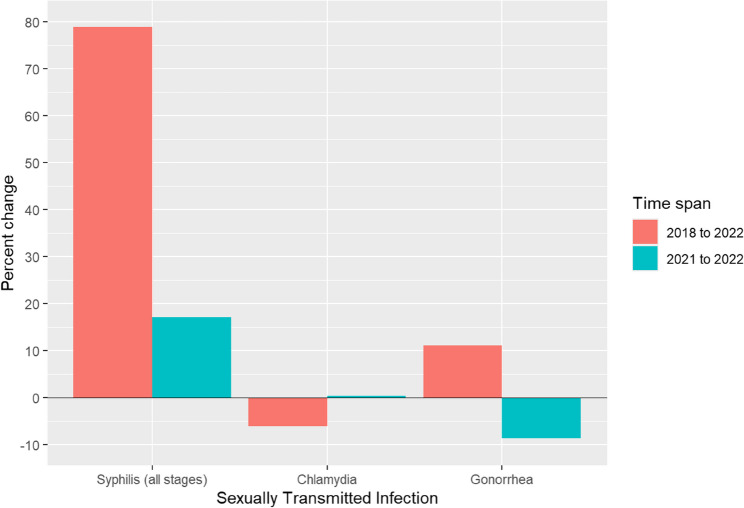
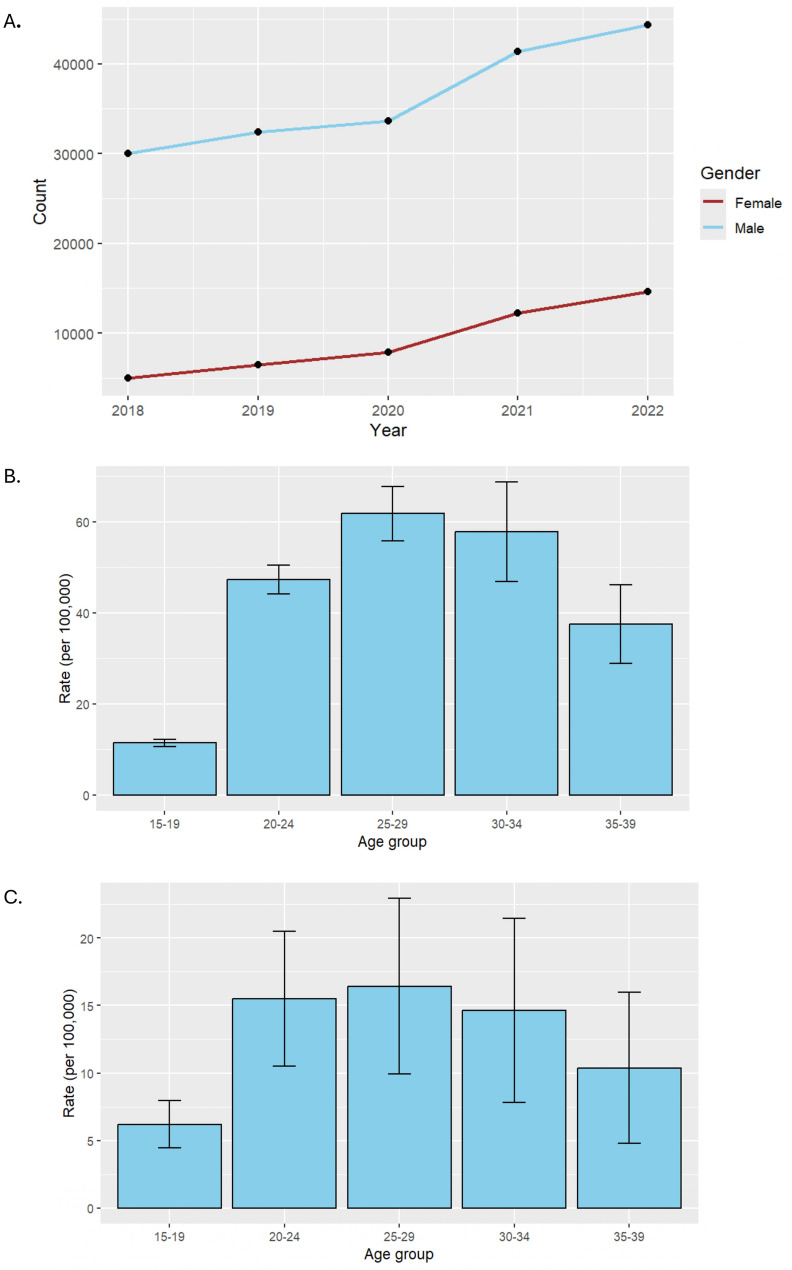
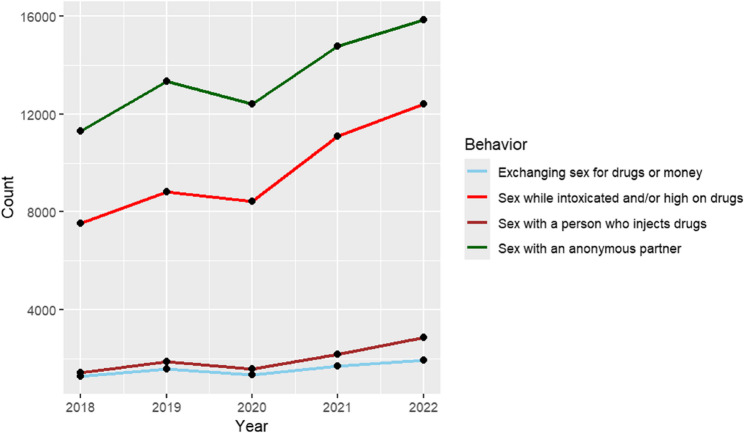
Syphilis has experienced a marked resurgence in the United States since 2018, with incidence rates reaching levels not observed since the pre-antibiotic era. Despite growing awareness among healthcare professionals and public health authorities, a comprehensive epidemiological analysis of the populations most affected during this period remains limited. This study examines the rise in syphilis cases from 2018 to 2022 using surveillance data from the Centers for Disease Control and Prevention (CDC). We evaluate trends across key demographic variables including race, sexual behavior, geographic distribution, substance use, and sex of sexual partner. Additionally, we assess the role of socioeconomic determinants that may impede access to prevention, diagnosis, and treatment. By identifying disproportionately affected populations, this research aims to inform targeted public health interventions and guide evidence-based policy responses to mitigate the ongoing syphilis epidemic.
自2018年以来,梅毒在美国显著复发,发病率达到了抗生素时代之前未曾见过的水平。尽管医疗保健专业人员和公共卫生当局的认识不断提高,但对这一时期受影响最严重人群的全面流行病学分析仍然有限。本研究利用疾病控制和预防中心(CDC)的监测数据,调查了2018年至2022年梅毒病例的增加情况。我们评估了关键人口统计学变量的趋势,包括种族、性行为、地理分布、药物使用以及性伴侣的性别。此外,我们评估了可能阻碍预防、诊断和治疗的社会经济决定因素的作用。通过确定受影响不成比例的人群,本研究旨在为有针对性的公共卫生干预提供信息,并指导基于证据的政策应对措施,以缓解持续的梅毒疫情。