
血链球菌及草绿色链球菌群中的神经氨酸酶活性,以及从败血症患者分离出的草绿色链球菌属微生物中酰基神经氨酸裂解酶的存在情况。
Neuraminidase activity in Streptococcus sanguis and in the viridans group, and occurrence of acylneuraminate lyase in viridans organisms isolated from patients with septicemia.
作者信息
Müller H E
出版信息
Infect Immun. 1974 Feb;9(2):323-8. doi: 10.1128/iai.9.2.323-328.1974.
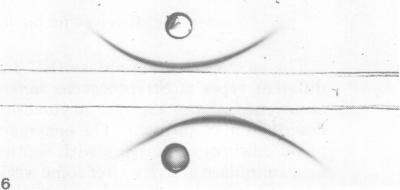
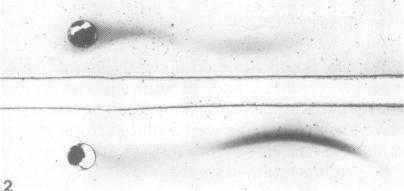
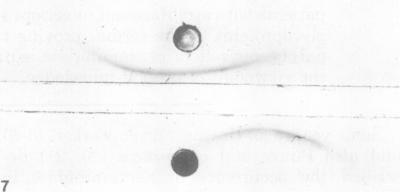
The enzyme neuraminidase (EC 3.2.1.18) was found to be strongly active in different types of Streptococcus sanguis and S. viridans, and, in addition, the occurrence of the enzyme acylneuraminate pyruvate lyase (EC 4.1.3.3) was described in S. viridans. The enzyme-active bacteria strains were isolated from blood cultures of patients with septicemia. Whereas S. sanguis lost its strong neuraminidase activity after some weeks, S. viridans retained its enzyme activity for a long time in culture. Immunoelectrophoretic studies of the blood cultures of patients with streptococcal infections showed the loss of neuraminic acid in most glycoproteins of the serum, proving the in vivo action of neuraminidase. The pathogenic role of neuraminidase is discussed in streptococcal septicemia from the viewpoint of present knowledge.
发现神经氨酸酶(EC 3.2.1.18)在不同类型的血链球菌和草绿色链球菌中具有很强的活性,此外,还描述了草绿色链球菌中存在酰基神经氨酸丙酮酸裂解酶(EC 4.1.3.3)。酶活性细菌菌株是从败血症患者的血培养物中分离出来的。血链球菌在几周后失去了很强的神经氨酸酶活性,而草绿色链球菌在培养中长时间保持其酶活性。对链球菌感染患者血培养物的免疫电泳研究表明,血清中大多数糖蛋白的神经氨酸减少,证明了神经氨酸酶在体内的作用。从目前的知识角度讨论了神经氨酸酶在链球菌败血症中的致病作用。




 Zotero 插件