
二氧化碳激光小梁切除术治疗新生血管性青光眼。
Carbon dioxide laser trabeculostomy for the treatment of neovascular glaucoma.
作者信息
L'Esperance F A, Mittl R N
出版信息
Trans Am Ophthalmol Soc. 1982;80:262-87.
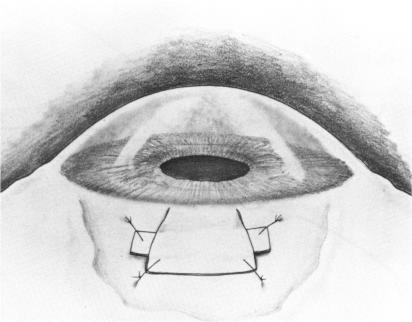
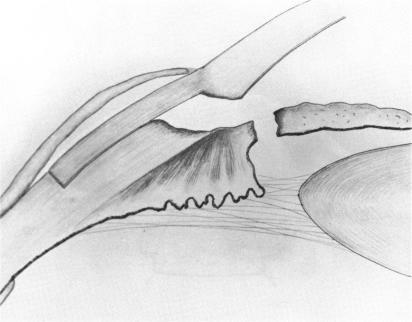
During the past 18 months, 23 cases of advanced neovascular glaucoma, unresponsive to medical therapy, have been treated by a trabeculostomy procedure using a carbon dioxide laser. This procedure entails surgical entry into the anterior chamber from beneath either a conjunctival or a scleral flap in such a way as to completely cauterize any neovascular tissue in the iridocorneal angle and to permit adequate drainage of the aqueous fluid from the anterior chamber to the periocular space. The average intraocular pressure, prior to carbon dioxide laser trabeculostomy was 54 mm Hg and these pressures were lowered below 18 mm Hg in over 57% of the cases followed for longer than six months post-laser therapy. Treatment was considered a failure in 26% of the cases where the intraocular pressure was not lowered substantially, and 17% of the treated eyes sustained a pressure decrease to within the 25 to 35 mm Hg range. Carbon dioxide laser trabeculostomy or trabeculo-sclerostomy provides a new method of lowering the intraocular pressure in severe cases of neovascular glaucoma without the hazard of intraocular hemorrhage, common with other filtration procedures. These procedures have proved satisfactory in alleviating the high pressures of neovascular glaucoma in a relatively large proportion of the patients treated. If the eye is grossly hyperemic and irritated because of the high intraocular pressure and the deteriorated condition of the eye, it is suggested that the carbon dioxide laser trabeculostomy procedure with a scleral flap be performed with an implanted seton as the procedure of choice. If the eye is relatively quiet and has some visual reserve but an exceedingly high and intractable intraocular pressure, it is advisable to use either the carbon dioxide laser trabeculostomy procedure or the carbon dioxide laser trabeculo-sclerostomy operation as described. These procedures are being further refined, but the results of this investigation suggest that these procedures can be utilized judiciously, and should prove useful, particularly in those eyes with advanced neovascular glaucoma with useful vision still remaining.
在过去18个月中,23例对药物治疗无反应的晚期新生血管性青光眼患者接受了二氧化碳激光小梁切开术治疗。该手术需要通过结膜瓣或巩膜瓣从下方进入前房,以便完全烧灼虹膜角膜角的任何新生血管组织,并使房水从前房充分引流至眼周间隙。二氧化碳激光小梁切开术前平均眼压为54 mmHg,在激光治疗后随访超过6个月的病例中,超过57%的患者眼压降至18 mmHg以下。26%的病例眼压未显著降低,治疗被认为失败,17%的治疗眼眼压降至25至35 mmHg范围内。二氧化碳激光小梁切开术或小梁巩膜切开术提供了一种降低严重新生血管性青光眼眼压的新方法,且没有其他滤过手术常见的眼内出血风险。这些手术已被证明在相当大比例的接受治疗的患者中能有效缓解新生血管性青光眼的高眼压。如果眼睛因高眼压和眼部状况恶化而严重充血和刺激,建议采用带巩膜瓣的二氧化碳激光小梁切开术并植入引流管作为首选手术。如果眼睛相对安静且有一定视力储备,但眼压极高且难以控制,建议采用上述二氧化碳激光小梁切开术或二氧化碳激光小梁巩膜切开术。这些手术正在进一步完善,但本研究结果表明,这些手术可以合理应用,并且应该会证明是有用的,特别是对于那些仍有有用视力的晚期新生血管性青光眼患者。




 Zotero 插件