Weis J J, Tedder T F, Fearon D T
Proc Natl Acad Sci U S A. 1984 Feb;81(3):881-5. doi: 10.1073/pnas.81.3.881.
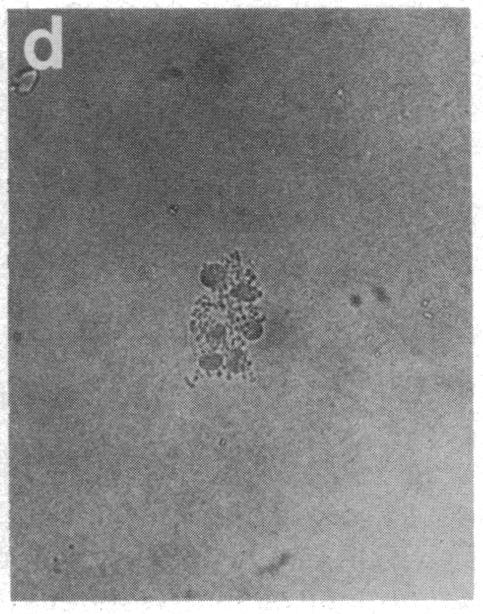
The C3d receptor (CR2) of human B lymphocytes mediates the binding to these cells of immune complexes that have activated the complement system and bear the fragments of C3, iC3b, C3d,g, and C3d. A 145,000 Mr membrane protein previously described as being recognized by the monoclonal antibody HB-5 and shown to be expressed only by B lymphocytes and B lymphoblastoid cell lines, such as Raji, was assessed for its possible identity as CR2. Treatment of Raji cells with HB-5 and goat F(ab')2 anti-mouse IgG (GaM) diminished the capacity of these cells to form rosettes with sheep erythrocyte (E) intermediates bearing 130,000 molecules of iC3b or C3d, whereas treatment with the monoclonal antibody alone had no effect. The capacity of peripheral blood B lymphocytes to bind EC3d was similarly inhibited by the combination of HB-5 and GaM. The possibility that HB-5 may interact with a site on CR2 that is distinct from the ligand binding site permitted the direct analysis of the capacity of the HB-5 antigen to bind to the C3 fragments. Protein A-containing Staphylococcus aureus particles to which HB-5 had been bound were incubated with detergent lysates of Raji cells and B lymphocytes under conditions that had been shown to be associated only with the binding of the 145,000 Mr antigen. These particles bearing HB-5 and antigen derived from either cell type were shown to adhere specifically to EiC3b and EC3d, demonstrating that transfer of the HB-5 antigen from CR2-bearing cells to S. aureus particles led to the acquisition of CR2 function by the particles. The additional findings that the relatively weak capacity of Raji cells to form rosettes with EC3b was inhibited by HB-5 and that the S. aureus particles bearing immunoadsorbed HB-5 antigen bound to EC3b indicated that the C3b-binding function of the CR1-negative Raji cell resides in CR2, rather than in other membrane proteins.
人类B淋巴细胞的C3d受体(CR2)介导已激活补体系统并带有C3、iC3b、C3d,g和C3d片段的免疫复合物与这些细胞的结合。一种先前被描述为可被单克隆抗体HB - 5识别且仅在B淋巴细胞和B淋巴母细胞系(如Raji细胞系)中表达的145,000 Mr膜蛋白,被评估其是否可能为CR2。用HB - 5和山羊抗小鼠IgG F(ab')2(GaM)处理Raji细胞,降低了这些细胞与带有130,000个iC3b或C3d分子的绵羊红细胞(E)中间体形成花环的能力,而单独用单克隆抗体处理则无影响。外周血B淋巴细胞结合EC3d的能力同样受到HB - 5和GaM联合处理的抑制。HB - 5可能与CR2上不同于配体结合位点的位点相互作用这一可能性,使得能够直接分析HB - 5抗原与C3片段结合的能力。将结合有HB - 5的含蛋白A的金黄色葡萄球菌颗粒与Raji细胞和B淋巴细胞的去污剂裂解物在已证明仅与145,000 Mr抗原结合相关的条件下孵育。这些带有HB - 5和源自任一细胞类型抗原的颗粒被证明能特异性黏附于EiC3b和EC3d,表明HB - 5抗原从携带CR2的细胞转移至金黄色葡萄球菌颗粒导致颗粒获得了CR2功能。另外的发现是,Raji细胞与EC3b形成花环的相对较弱能力受到HB - 5抑制,且携带免疫吸附HB - 5抗原的金黄色葡萄球菌颗粒与EC3b结合,这表明CR1阴性的Raji细胞的C3b结合功能存在于CR2中,而非其他膜蛋白中。