Anderson R H, Ho S Y, Becker A E
Thorax. 1983 Jun;38(6):408-20. doi: 10.1136/thx.38.6.408.
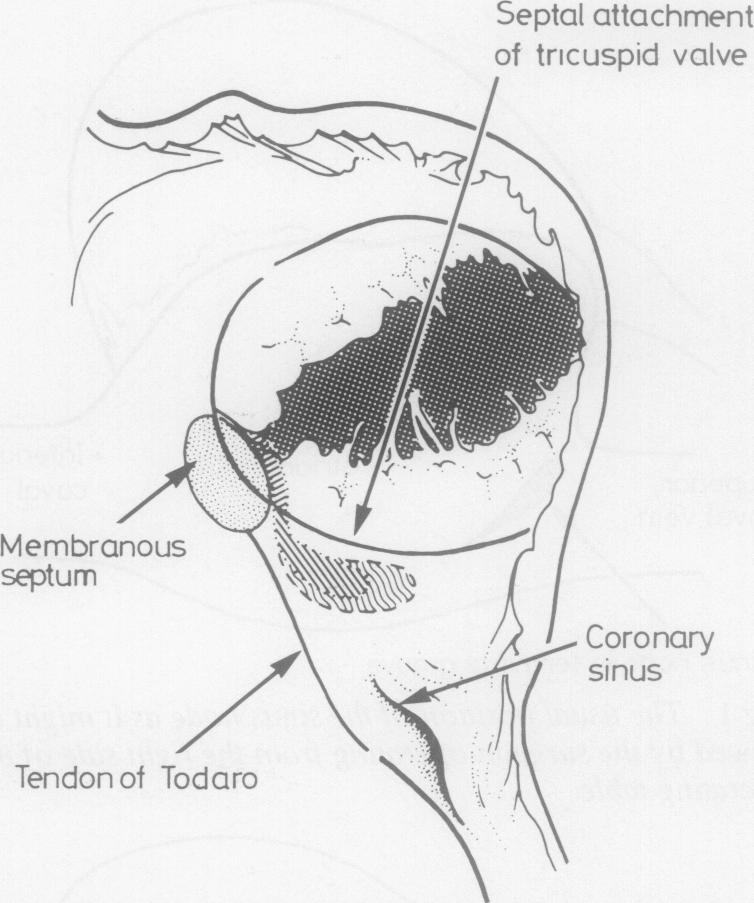
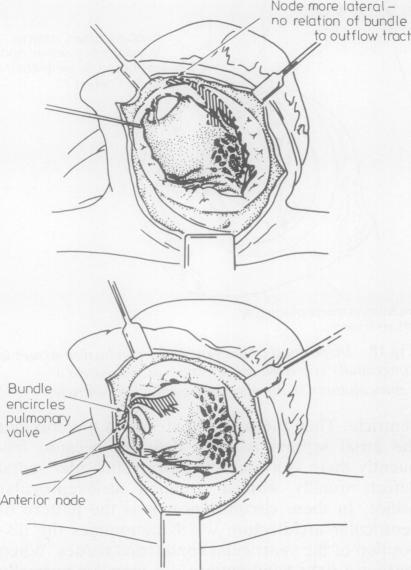
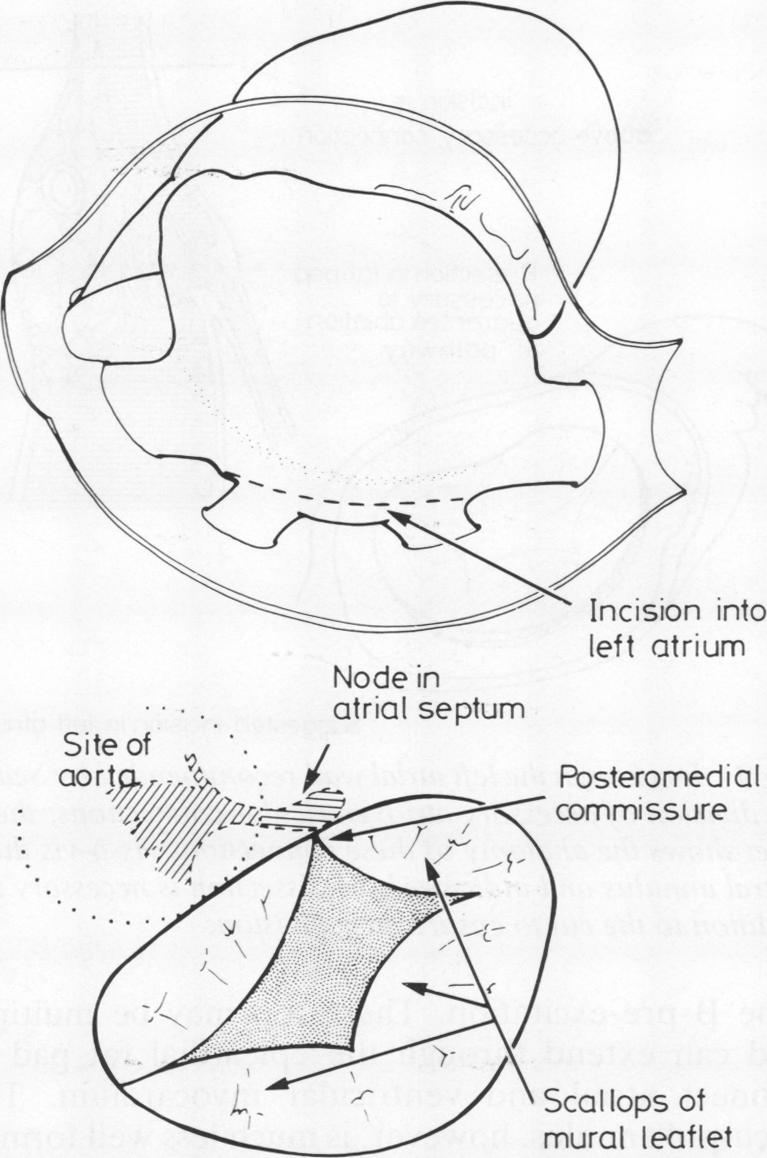
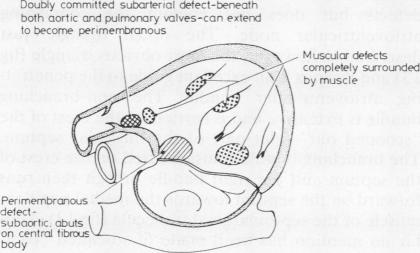
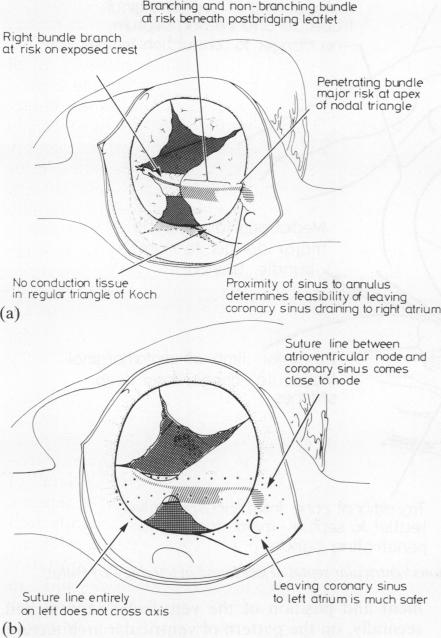
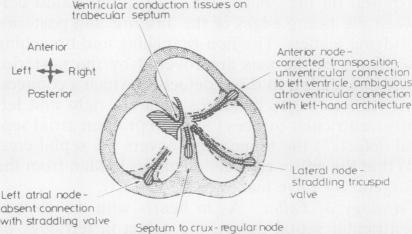
On the basis of our collective experience we have reviewed the disposition of the cardiac conduction tissues as they might be observed by the surgeon in both normal and abnormal hearts. The sinus node lies subepicardially in the terminal sulcus; because of its variable blood supply the entire superior cavoatrial junction is a potential danger area. There are no morphologically discrete tracts extending through the atrial tissues between sinus and atrioventricular nodes. The atrioventricular node, the atrial extent of the atrioventricular conduction axis, is contained exclusively within the triangle of Koch. The axis penetrates through the central fibrous body and branches on the muscular ventricular septum immediately beneath the interventricular component of the membranous septum. The landmarks to these structures are described as they might be seen through the right atrium, left atrium, and aorta. Consideration is then given to the surgical anatomy of the abnormal muscular atrioventricular connections that underscore the ventricular pre-excitation syndromes. Finally, rules are developed whereby the disposition of the conduction tissues can be predicted with accuracy in congenitally malformed hearts, in the settings of both normal and abnormal chamber connections. The most important variables in this respect are alignment between the atrial and ventricular septal structures and the pattern of ventricular architecture present.
基于我们的共同经验,我们回顾了心脏传导组织的分布情况,这些情况可由外科医生在正常和异常心脏中观察到。窦房结位于终沟的心外膜下;由于其血液供应多变,整个上腔静脉心房交界处是一个潜在的危险区域。在窦房结和房室结之间没有形态上离散的束穿过心房组织。房室结,即房室传导轴的心房部分,完全包含在科赫三角内。该轴穿过中心纤维体,并在膜性间隔的心室部分下方的肌性室间隔上分支。描述了从右心房、左心房和主动脉可能看到的这些结构的标志。然后考虑了强调心室预激综合征的异常肌性房室连接的手术解剖。最后,制定了规则,据此可以在先天性心脏畸形中,在正常和异常腔室连接的情况下准确预测传导组织的分布。在这方面最重要的变量是心房和心室间隔结构之间的对齐以及存在的心室结构模式。