McMahon A P, Novak T J, Britten R J, Davidson E H
Proc Natl Acad Sci U S A. 1984 Dec;81(23):7490-4. doi: 10.1073/pnas.81.23.7490.
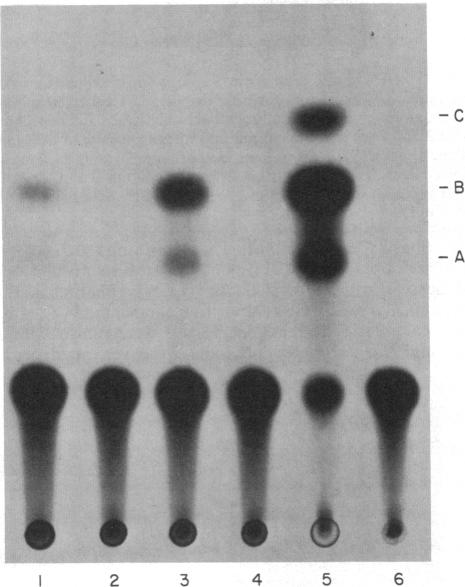
A fusion gene construct, in which the coding sequence for bacterial chloramphenicol acetyltransferase (CAT; acetyl-CoA: chloramphenicol 3-O-acetyltransferase, EC 2.3.1.28) was placed under the control of the regulatory region of the Drosophila gene encoding the 70-kilodalton heat shock protein [Di Nocera, P.P. & Dawid, I.B. (1983) Proc. Natl. Acad. Sci. USA 80, 7095-7098], was microinjected into the cytoplasm of unfertilized sea urchin eggs. Pluteus-stage embryos developing from the injected eggs were exposed to high temperature conditions that we found would elicit an endogenous sea urchin heat shock response. These embryos express the gene for CAT and, after heat treatment, display 8-10 times more CAT enzyme activity than do extracts from control embryos cultured at normal temperatures. The injected DNA is present in high molecular weight concatenates and, during development, is amplified about 100-fold. Amplified sequences are responsible for all or most of the induced CAT enzyme activity.
一种融合基因构建体,其中细菌氯霉素乙酰转移酶(CAT;乙酰辅酶A:氯霉素3 - O - 乙酰转移酶,EC 2.3.1.28)的编码序列置于果蝇基因编码70千道尔顿热休克蛋白的调控区域控制之下[迪·诺塞拉,P.P. & 达维德,I.B.(1983年)《美国国家科学院院刊》80,7095 - 7098],被显微注射到未受精的海胆卵细胞质中。从注射的卵发育而来的长腕幼虫期胚胎暴露于高温条件下,我们发现这种条件会引发内源性海胆热休克反应。这些胚胎表达CAT基因,并且在热处理后,显示出的CAT酶活性比在正常温度下培养的对照胚胎提取物高8 - 10倍。注射的DNA以高分子量串联体形式存在,并且在发育过程中大约扩增100倍。扩增的序列对所有或大部分诱导的CAT酶活性负责。