Metz H S
Trans Am Ophthalmol Soc. 1983;81:630-92.
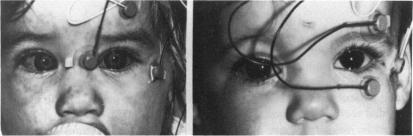
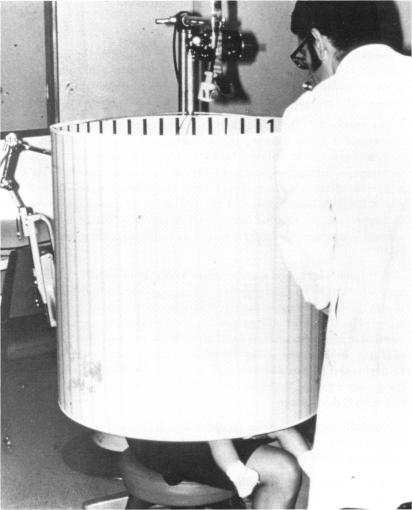
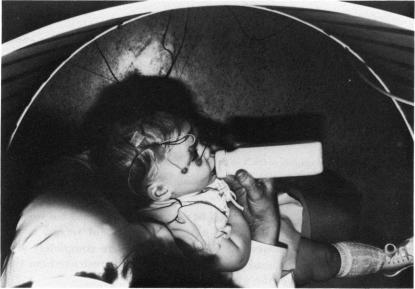
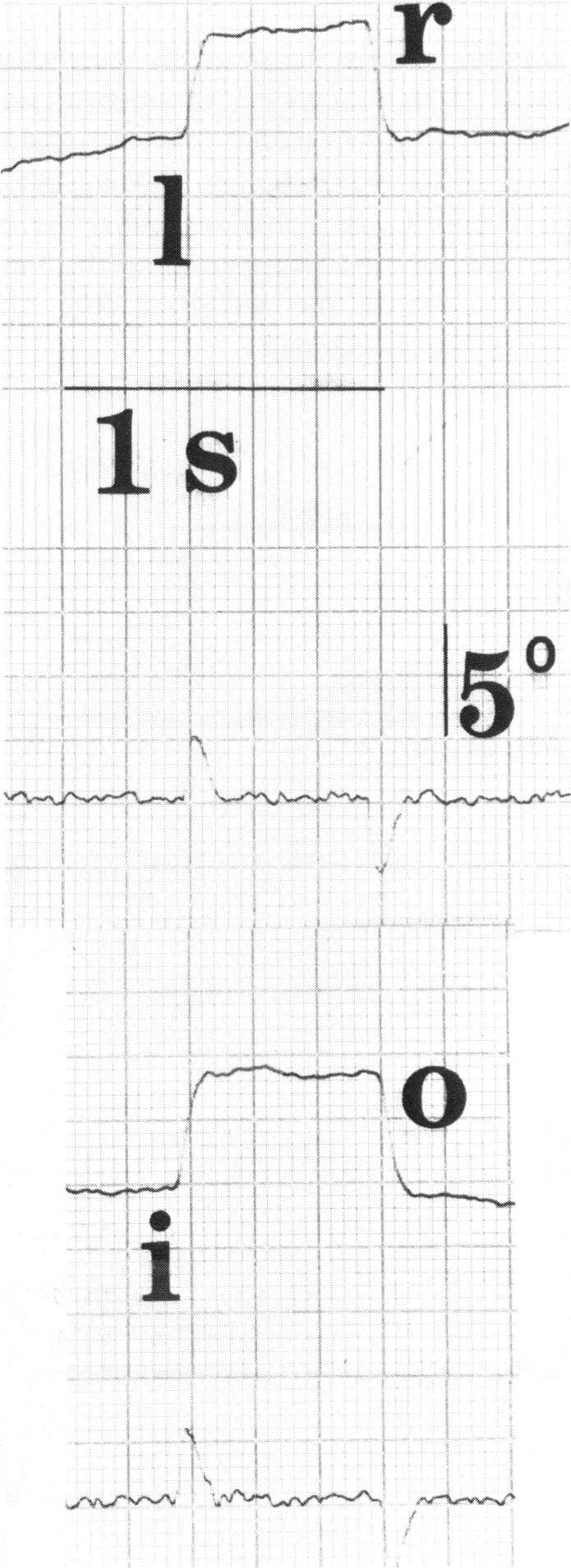
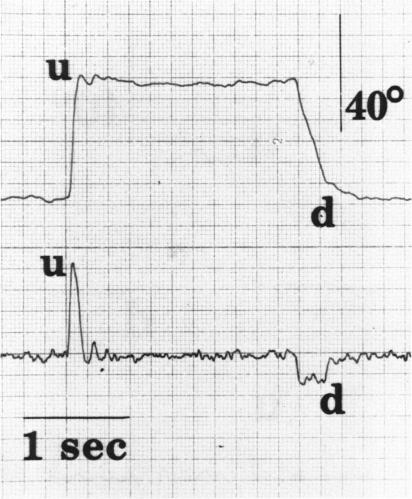
Traditional evaluation of strabismus has included cover test measurements, evaluation of the range of ocular rotations, and an array of subjective sensory tests. These studies could not always differentiate paresis of an extraocular muscle from restrictions and from various neuro-ophthalmic motility disorders. The measurement of horizontal and vertical saccadic movements can provide an objective test of rectus muscle function. Using EOG, saccades can be recorded easily, inexpensively, and repeatably at any age. In ocular muscle paresis or paralysis, saccadic speed is reduced mildly to markedly and can be used to monitor recovery. Assessment of saccadic velocity does not appear useful in evaluating superior oblique palsy, although it is valuable in sixth nerve palsy, Duane's syndrome, and third nerve palsy. When restrictions are the major cause of limited rotation, as in thyroid ophthalmopathy and orbital floor fracture, saccadic speed is unaffected. The induction of OKN or vestibular nystagmus is helpful in the study of children too young to perform voluntary saccadic movements. In patients with limitation of elevation or depression, this technique can separate innervational from mechanical causes of diminished rotation. The specific saccadic velocity pattern in myasthenia gravis, progressive external ophthalmoplegia, internuclear ophthalmoplegia, and Möbius' syndrome is helpful in differentiating these disorders from other neuroophthalmic motility problems. Transposition surgery of the rectus muscle is effective because of an increase in force, seen as an improvement in saccadic velocity and resulting from the change of insertion of the muscles. Saccadic velocities can also be of assistance in diagnosing a lost or disinserted muscle following surgery for strabismus. Although analysis of saccadic velocity is not required for the proper evaluation of all problems in strabismus and motility, it can be of inestimable value in the diagnosis of many complex and confusing disorders. Together with forced duction testing, a clinical profile can be obtained concerning muscle force and muscle and orbital restrictions, which are required information for appropriate surgical planning.
传统的斜视评估方法包括遮盖试验测量、眼球转动范围评估以及一系列主观感觉测试。这些研究并不总能区分眼外肌麻痹与限制因素以及各种神经眼科运动障碍。水平和垂直扫视运动的测量可以提供对直肌功能的客观测试。使用眼电图(EOG),可以在任何年龄轻松、廉价且可重复地记录扫视运动。在眼肌麻痹或瘫痪时,扫视速度会轻度至显著降低,可用于监测恢复情况。扫视速度评估在评估上斜肌麻痹时似乎没有用处,尽管它在第六神经麻痹、杜安综合征和第三神经麻痹中很有价值。当限制因素是眼球转动受限的主要原因时,如在甲状腺眼病和眶底骨折中,扫视速度不受影响。对于太小而无法进行自主扫视运动的儿童,诱发视动性眼震(OKN)或前庭眼震有助于研究。在存在上抬或下转受限的患者中,该技术可以区分转动减少的神经支配性原因和机械性原因。重症肌无力、进行性眼外肌麻痹、核间性眼肌麻痹和莫比乌斯综合征中特定的扫视速度模式有助于将这些疾病与其他神经眼科运动问题区分开来。直肌转位手术是有效的,因为肌肉插入点的改变导致力量增加,表现为扫视速度的提高。扫视速度也有助于诊断斜视手术后肌肉丢失或离断的情况。虽然分析扫视速度并非正确评估所有斜视和运动问题所必需,但它在诊断许多复杂且令人困惑的疾病时可能具有不可估量的价值。与强制牵拉试验一起,可以获得有关肌力以及肌肉和眼眶限制的临床资料,这些是进行适当手术规划所需的信息。