Freeman M A, Bradley G W, Blaha J D, Insler H P
J R Soc Med. 1982 Jun;75(6):418-24. doi: 10.1177/014107688207500610.
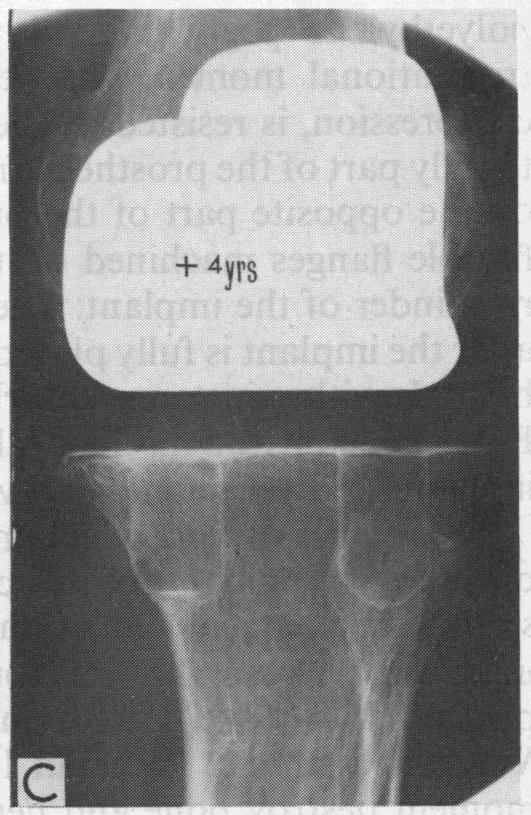
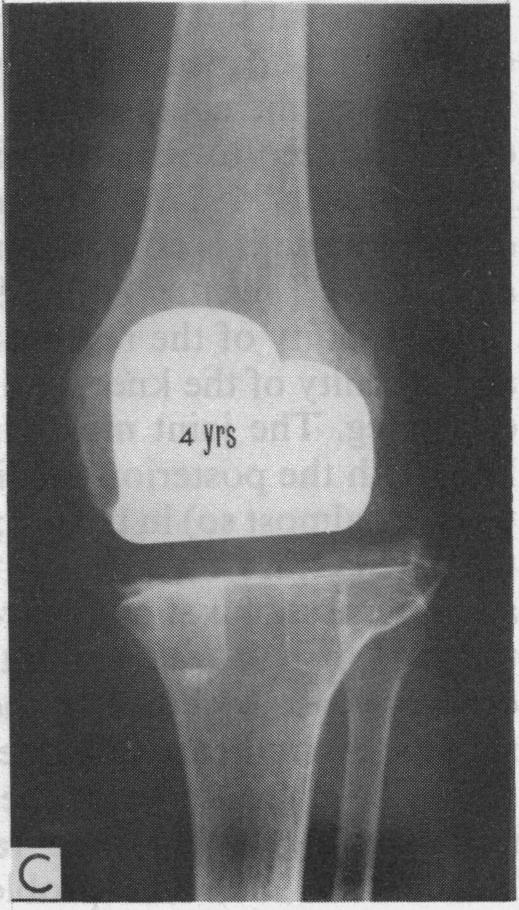
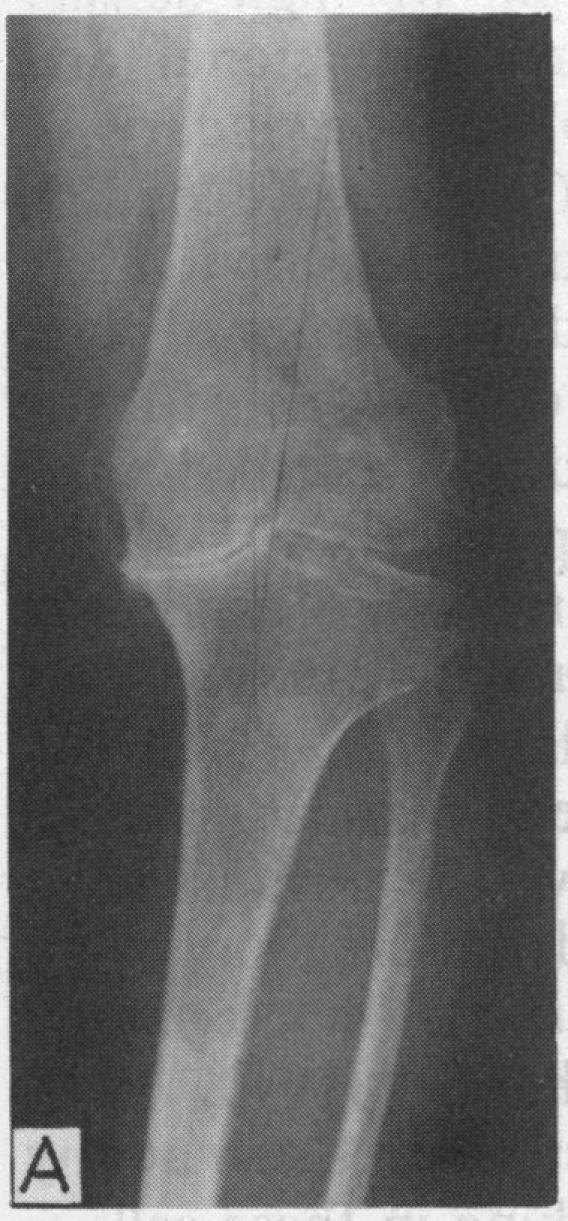
The use of polymethylmethacrylate bone cement in joint replacement surgery is not without drawbacks. Certain hazards have been appreciated and the bone cement interface may not be as stable in the long run as was once felt. This paper reports the results in 52 knees which were replaced using the uncemented ICLH (Imperial College/London Hospital) tibial component; the average follow up was two years (range six months to four years). The results were compiled with regard to pain as well as clinical examination and X-ray evaluation. The results were comparable to those achieved in knees replaced using bone cement. Roentgenographic evaluation revealed no evidence of loosening nor sinkage of any of these prostheses. Considerations in the development of a knee prosthesis to be utilized without bone cement and the operative technique employed to implant such a prosthesis are presented. The merits of such a system are discussed.
聚甲基丙烯酸甲酯骨水泥在关节置换手术中的应用并非没有缺点。一些风险已被认识到,而且从长远来看,骨水泥界面可能不像人们曾经认为的那样稳定。本文报告了52例使用非骨水泥型帝国理工学院/伦敦医院(ICLH)胫骨部件进行膝关节置换的结果;平均随访时间为两年(范围为6个月至4年)。结果是根据疼痛以及临床检查和X线评估汇总得出的。结果与使用骨水泥进行膝关节置换所取得的结果相当。X线评估显示这些假体均无松动或下沉迹象。本文介绍了在不使用骨水泥的情况下开发膝关节假体的考虑因素以及植入这种假体所采用的手术技术。并讨论了这种系统的优点。