Ye S, Watts G F, Mandalia S, Humphries S E, Henney A M
Department of Medicine, University College London Medical School.
Br Heart J. 1995 Mar;73(3):209-15. doi: 10.1136/hrt.73.3.209.
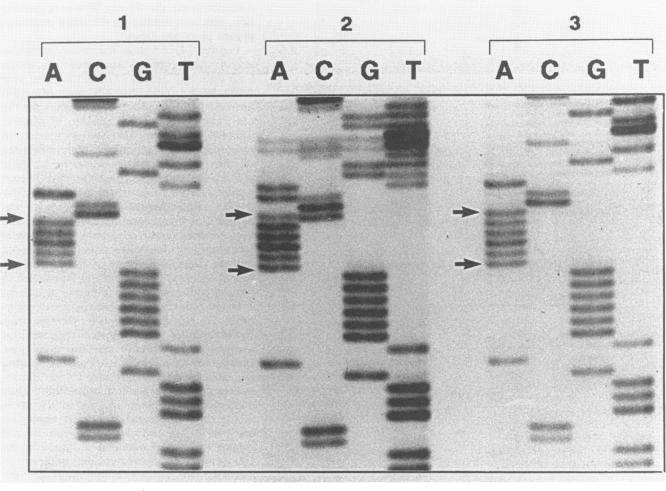
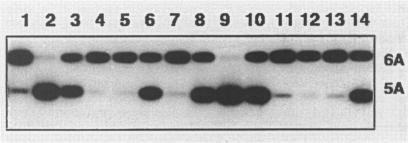
Stromelysin is a member of the family of metalloproteinases that degrade extracellular matrix. In situ hybridisation and histopathological studies suggest that stromelysin activity may be important in the connective tissue remodelling processes associated with atherogenesis and plaque rupture. Single strand conformation polymorphism analysis identified a common polymorphism in the stromelysin gene promoter located 1171 bp upstream from the start of transcription in which one allele has a run of six adenosines (6A) and another has five adenosines (5A). 72 men with coronary heart disease, were genotyped. They were participants in the St Thomas' Atherosclerosis Regression Study who were randomised to receive usual care (UC), dietary intervention (D), or diet plus cholestyramine (DC), with angiography at baseline and at 39 months. In these patients the frequency of the 5A allele was 0.49 (95% CI from 0.41 to 0.57) and was not significantly different from that in a sample of 354 healthy UK men. In the UC group, patients who were homozygous for the 6A allele showed greater progression of angiographic disease than those with other genotypes: the minimum absolute width of coronary segments decreased by 0.04 (SEM 0.10) mm for 5A5A, 0.20 (0.07) mm for 5A6A, and 0.67 (0.19) mm for 6A6A (P < 0.01). The findings were similar but slightly less significant for the change in mean absolute width of coronary segments (P < 0.05). No significant associations were seen in patients in the D or DC groups. In data pooled from the three treatment groups, the 6A6A genotype was significantly associated with greater progression of coronary atherosclerosis than other genotypes in patients with baseline percentage diameter stenosis less than 20% (P < 0.05), but not in those with baseline percentage diameter stenosis greater than or equal to 20%. These results provide the first evidence of a link between genetic variation in stromelysin and progression of coronary atherosclerosis and support the hypothesis that connective tissue remodeling mediated by metalloproteinases contribute to the pathogenesis of atherosclerosis.
基质溶解素是降解细胞外基质的金属蛋白酶家族的一员。原位杂交和组织病理学研究表明,基质溶解素活性在与动脉粥样硬化形成和斑块破裂相关的结缔组织重塑过程中可能很重要。单链构象多态性分析在转录起始点上游1171 bp处的基质溶解素基因启动子中发现了一种常见的多态性,其中一个等位基因有六个腺苷连续排列(6A),另一个有五个腺苷(5A)。对72名冠心病男性进行了基因分型。他们是圣托马斯动脉粥样硬化消退研究的参与者,被随机分配接受常规护理(UC)、饮食干预(D)或饮食加胆酸螯合剂(DC),并在基线和39个月时进行血管造影。在这些患者中,5A等位基因的频率为0.49(95%可信区间为0.41至0.57),与354名健康英国男性样本中的频率无显著差异。在UC组中,6A等位基因纯合的患者与其他基因型患者相比,血管造影疾病进展更大:5A5A基因型患者冠状动脉节段的最小绝对宽度减少了0.04(标准误0.10)mm,5A6A基因型患者减少了0.20(0.07)mm,6A6A基因型患者减少了0.67(0.19)mm(P<0.01)。冠状动脉节段平均绝对宽度变化的结果相似,但显著性略低(P<0.05)。在D组或DC组患者中未发现显著关联。在三个治疗组汇总的数据中,对于基线直径狭窄百分比小于20%的患者,6A6A基因型与冠状动脉粥样硬化进展大于其他基因型显著相关(P<0.05),但对于基线直径狭窄百分比大于或等于20%的患者则不然。这些结果首次证明了基质溶解素基因变异与冠状动脉粥样硬化进展之间的联系,并支持金属蛋白酶介导的结缔组织重塑有助于动脉粥样硬化发病机制的假说。