Shimano H, Ohsuga J, Shimada M, Namba Y, Gotoda T, Harada K, Katsuki M, Yazaki Y, Yamada N
Third Department of Internal Medicine, Faculty of Medicine, Tokyo University, Japan.
J Clin Invest. 1995 Feb;95(2):469-76. doi: 10.1172/JCI117687.
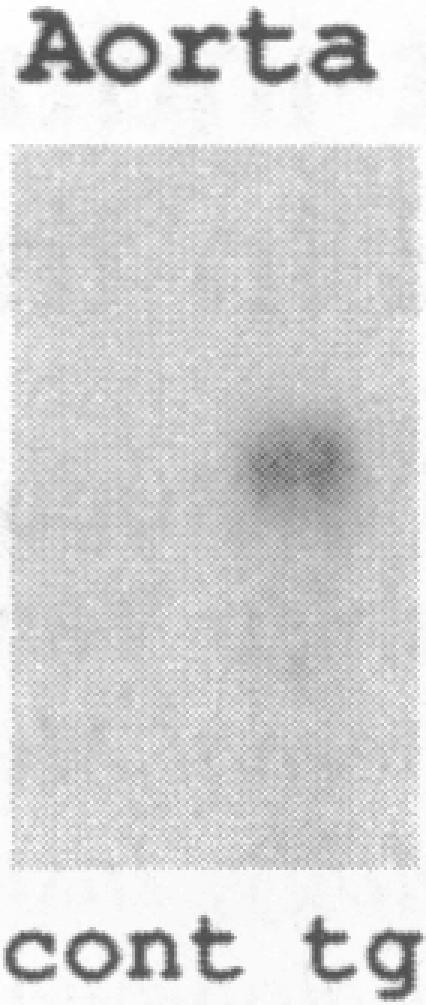
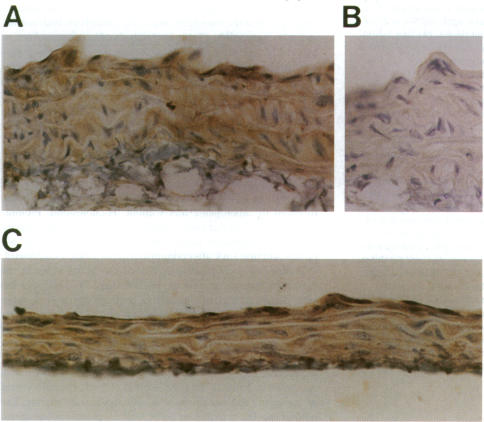
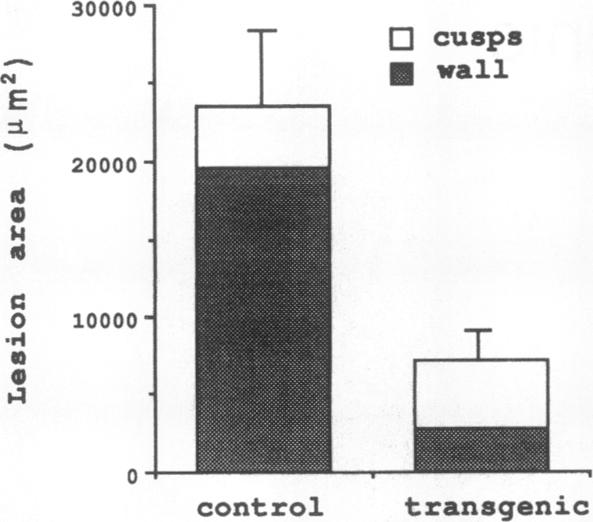
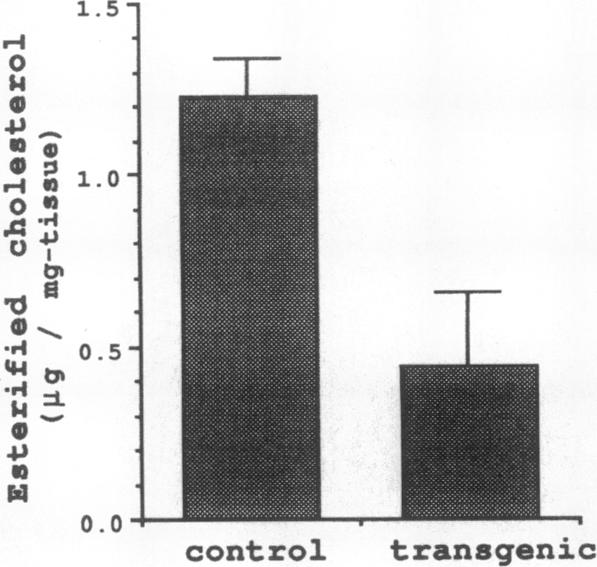
Apolipoprotein E (apoE) plays a crucial role in lipoprotein metabolism both in plasma and in peripheral tissues. To test whether apoE in the vascular wall has a direct and local effect on atherogenesis, we established transgenic mice expressing human apoE under control of H2 Ld promoter. Studies on mRNA levels and immunohistochemistry demonstrated that this line was characterized by high expression of human apoE in the arterial wall while its expression was relatively low in other tissues as compared with the respective endogenous expression of mouse apoE. They showed no difference in plasma cholesterol levels and lipoprotein profile from controls when fed both normal and atherogenic diets. However, after 24 wk of an atherogenic diet, the formation of fatty streak lesions in proximal aorta was markedly inhibited in transgenic mice as compared with controls. Both lesion area and esterified cholesterol content were < 30% of those in controls. In a tissue cholesterol labeling study with 3H-cholesterol, the specific activity of aorta cholesterol was much less in transgenic mice, suggesting that apoE enhances cholesterol efflux from the aortic wall into plasma. Thus, apoE has anti-atherogenic action which is mediated via enhancing reverse cholesterol transport from arterial wall.
载脂蛋白E(apoE)在血浆和外周组织的脂蛋白代谢中起着关键作用。为了测试血管壁中的apoE是否对动脉粥样硬化发生有直接的局部影响,我们构建了在H2 Ld启动子控制下表达人apoE的转基因小鼠。对mRNA水平和免疫组织化学的研究表明,该品系的特征是动脉壁中人apoE的高表达,而与小鼠apoE各自的内源性表达相比,其在其他组织中的表达相对较低。当给予正常饮食和致动脉粥样硬化饮食时,它们的血浆胆固醇水平和脂蛋白谱与对照组无差异。然而,在致动脉粥样硬化饮食24周后,与对照组相比,转基因小鼠近端主动脉中脂肪条纹病变的形成明显受到抑制。病变面积和酯化胆固醇含量均小于对照组的30%。在一项用3H-胆固醇进行的组织胆固醇标记研究中,转基因小鼠主动脉胆固醇的比活性要低得多,这表明apoE增强了胆固醇从主动脉壁向血浆的流出。因此,apoE具有抗动脉粥样硬化作用,其通过增强从动脉壁的逆向胆固醇转运来介导。