Tanaka T, Duke-Cohan J S, Kameoka J, Yaron A, Lee I, Schlossman S F, Morimoto C
Division of Tumor Immunology, Dana-Farber Cancer Institute, Boston, MA.
Proc Natl Acad Sci U S A. 1994 Apr 12;91(8):3082-6. doi: 10.1073/pnas.91.8.3082.
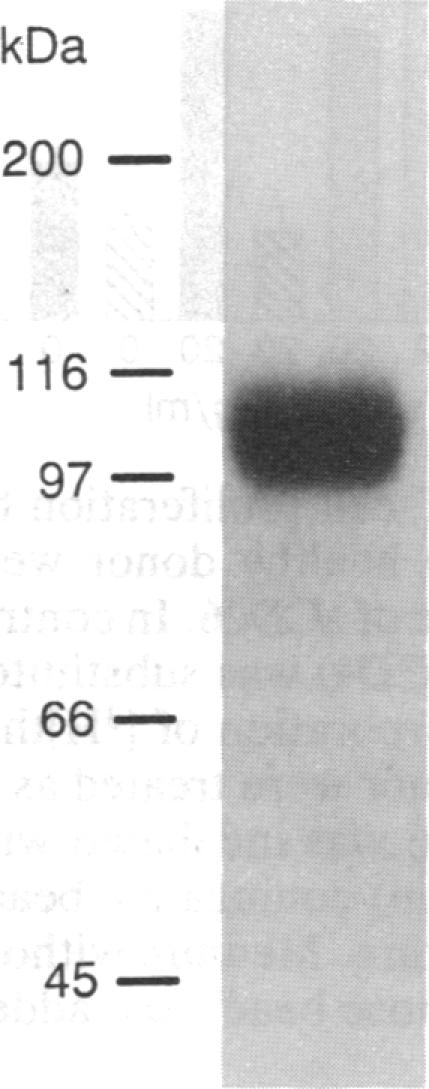
The addition of a soluble recombinant CD26 (sCD26) enhanced proliferation of peripheral blood lymphocytes induced by the recall antigen tetanus toxoid. sCD26 itself did not provide a mitogenic signal and did not augment the proliferative response of T cells to other mitogenic stimuli such as phytohemagglutinin and anti-CD3. Dipeptidyl peptidase IV-negative sCD26 did not have this enhancement effect, implying a requirement for enzyme activity. It was found that there exists a large variation in the levels of human plasma sCD26/dipeptidyl peptidase IV in vivo which may regulate T-cell activity. Peripheral blood lymphocytes from individuals whose plasma sCD26 was high and responded strongly to tetanus toxoid stimulation were insensitive to the enhancing effects of exogenously added sCD26. This suggests that plasma sCD26 had modulated the responsiveness of T cells of these individuals in vivo and that the endogenous plasma sCD26 regulates immune responses by allowing antigen-specific T cells to exert a maximal response to their specific antigen.
可溶性重组CD26(sCD26)的添加增强了回忆抗原破伤风类毒素诱导的外周血淋巴细胞增殖。sCD26本身不提供促有丝分裂信号,也不增强T细胞对其他促有丝分裂刺激物(如植物血凝素和抗CD3)的增殖反应。二肽基肽酶IV阴性的sCD26没有这种增强作用,这意味着需要酶活性。研究发现,人体内血浆sCD26/二肽基肽酶IV的水平存在很大差异,这可能调节T细胞活性。血浆sCD26水平高且对破伤风类毒素刺激反应强烈的个体的外周血淋巴细胞对外源添加的sCD26的增强作用不敏感。这表明血浆sCD26在体内调节了这些个体T细胞的反应性,并且内源性血浆sCD26通过使抗原特异性T细胞对其特异性抗原发挥最大反应来调节免疫反应。