Pickering J G, Weir L, Jekanowski J, Kearney M A, Isner J M
Department of Medicine (Cardiology), St. Elizabeth's Hospital, Tufts University School of Medicine, Boston, Massachusetts 02135.
J Clin Invest. 1993 Apr;91(4):1469-80. doi: 10.1172/JCI116352.
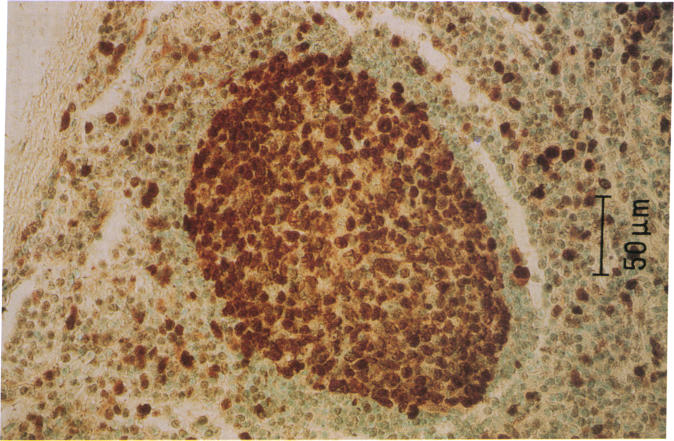
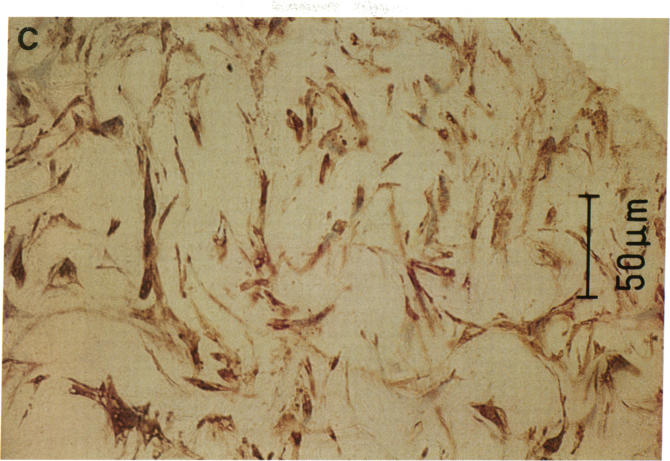
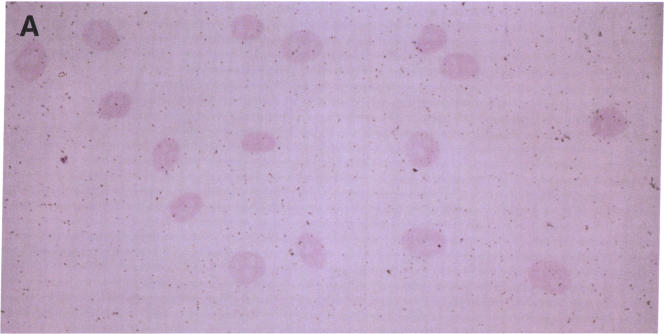
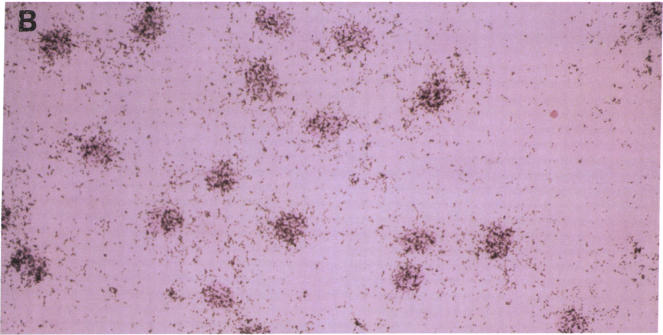
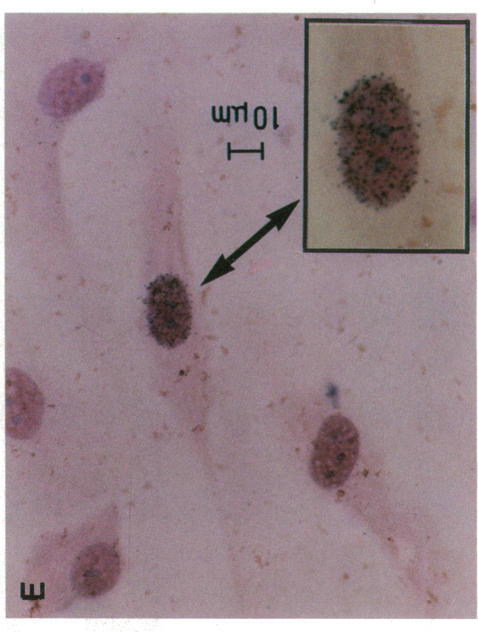
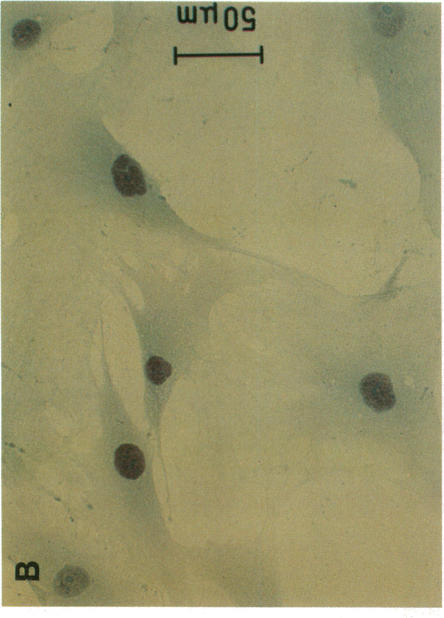
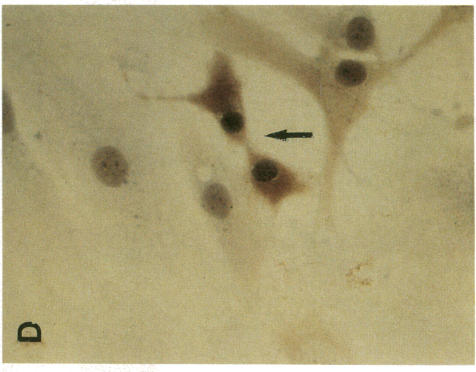
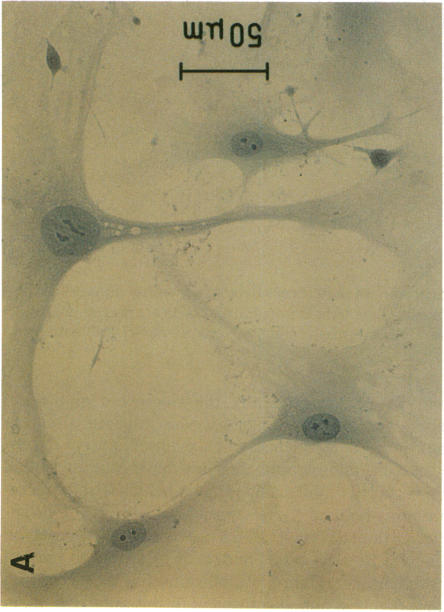
We evaluated the proliferative activity of human atherosclerotic lesions associated with active symptoms of ischemia, by assessing the expression of the proliferating cell nuclear antigen (PCNA). We confirmed in vitro that PCNA, an essential component of the DNA synthesis machinery, is selectively expressed in proliferating human vascular smooth muscle cells. 37 atherosclerotic lesions (18 primary and 19 restenotic) retrieved by directional atherectomy from either coronary or peripheral arteries were then studied for the expression of PCNA, using in situ hybridization or immunohistochemistry. Among plaques studied by in situ hybridization, 7 out of 11 primary and 11 out of 11 restenotic lesions contained PCNA-positive cells. The mean rate of proliferation (percent of PCNA-positive cells) was 7.2 +/- 10.8% in primary lesions and 20.6 +/- 18.2% in restenotic lesions (P < 0.05). Among specimens studied by immunohistochemistry, five out of seven primary and eight out of eight restenotic lesions contained proliferating cells. The mean rate of proliferation was again higher in the restenotic (15.2 +/- 13.6%) than primary (3.6 +/- 3.5%) lesions (P < 0.05). Proliferating cells were detected as late as 1 yr after angioplasty. We conclude that cellular proliferation is a feature of atherosclerotic lesions which are associated with symptoms of ischemia, but that it is more prominent in restenosis compared to primary lesions. These findings have implications for therapies aimed at limiting lesion growth, particularly after percutaneous revascularization.
我们通过评估增殖细胞核抗原(PCNA)的表达,来研究与缺血性活动症状相关的人类动脉粥样硬化病变的增殖活性。我们在体外证实,PCNA作为DNA合成机制的一个重要组成部分,在增殖的人类血管平滑肌细胞中选择性表达。然后,我们使用原位杂交或免疫组织化学方法,对通过定向斑块旋切术从冠状动脉或外周动脉获取的37个动脉粥样硬化病变(18个原发性病变和19个再狭窄病变)进行PCNA表达研究。在通过原位杂交研究的斑块中,11个原发性病变中的7个和11个再狭窄病变中的11个含有PCNA阳性细胞。原发性病变中增殖的平均速率(PCNA阳性细胞百分比)为7.2±10.8%,再狭窄病变中为20.6±18.2%(P<0.05)。在通过免疫组织化学研究的标本中,7个原发性病变中的5个和8个再狭窄病变中的8个含有增殖细胞。再狭窄病变(15.2±13.6%)中的增殖平均速率再次高于原发性病变(3.6±3.5%)(P<0.05)。在血管成形术后1年仍可检测到增殖细胞。我们得出结论,细胞增殖是与缺血症状相关的动脉粥样硬化病变的一个特征,但与原发性病变相比,在再狭窄中更为突出。这些发现对旨在限制病变生长的治疗方法具有重要意义,尤其是在经皮血管再通术后。