O K M, Choy P C
Department of Biochemistry and Molecular Biology, Faculty of Medicine, University of Manitoba, Winnipeg, Canada.
Biochem J. 1993 Feb 1;289 ( Pt 3)(Pt 3):727-33. doi: 10.1042/bj2890727.
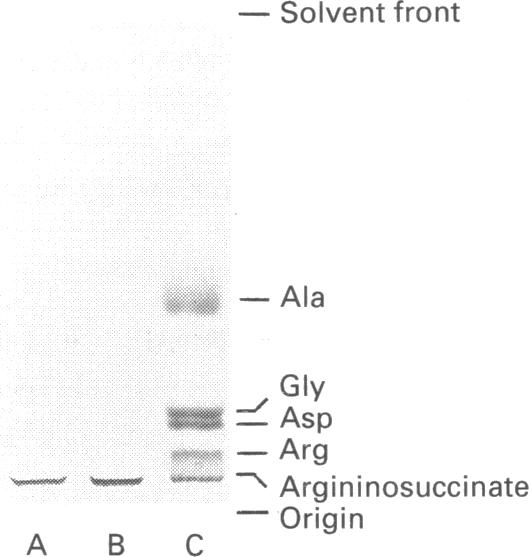
The control of phosphatidylcholine biosynthesis in the hamster liver was examined. Livers of hamsters fasted for 24 and 48 h were perfused with labelled choline. Under both fasting conditions, the incorporation of labelled choline into phosphatidylcholine was reduced. After 48 h of fasting, the 52% reduction in phosphatidylcholine biosynthesis was caused by changes in several factors including a diminishing rate of choline uptake and severe reductions in the pool sizes of ATP and CTP (to 33-37% control values) which resulted in a decrease in the pools of choline-containing metabolites. The activation of cytidylyltransferase after 48 h of fasting might be regarded as a compensatory mechanism for the maintenance of phosphatidylcholine biosynthesis. After 24 h of fasting, a 25% reduction in phosphatidylcholine biosynthesis was observed. The ATP and CTP levels were decreased but the reduction was not severe enough to affect the choline uptake or the labelling of the phosphocholine fraction. The activities of the cytidylyltransferase remained unchanged but an accumulation of labelled CDP-choline was detected. Although choline-phosphotransferase activity was not changed in the microsomes, the enzyme activity was attenuated in the postmitochondrial fraction. Further analysis revealed that cholinephosphotransferase in the liver was inhibited by an endogenous inhibitor in the cytosol which was later identified as argininosuccinate. The level of argininosuccinate was elevated during fasting and the change quantitatively accounted for the attenuation of cholinephosphotransferase activity. The inhibition of choline-phosphotransferase by argininosuccinate, coupled with a substantial decrease in the diacylglycerol level, would provide the hamster liver with an immediate mechanism for the transient modulation of phosphatidylcholine biosynthesis during short-term fasting.
对仓鼠肝脏中磷脂酰胆碱生物合成的调控进行了研究。对禁食24小时和48小时的仓鼠肝脏灌注放射性标记的胆碱。在两种禁食条件下,放射性标记胆碱掺入磷脂酰胆碱的量均减少。禁食48小时后,磷脂酰胆碱生物合成减少52%是由多种因素的变化引起的,包括胆碱摄取速率降低以及ATP和CTP池大小严重减少(降至对照值的33 - 37%),这导致含胆碱代谢物池减少。禁食48小时后胞苷酰转移酶的激活可能被视为维持磷脂酰胆碱生物合成的一种补偿机制。禁食24小时后,观察到磷脂酰胆碱生物合成减少25%。ATP和CTP水平降低,但降低程度不足以影响胆碱摄取或磷酸胆碱部分的标记。胞苷酰转移酶的活性保持不变,但检测到放射性标记的CDP - 胆碱积累。尽管微粒体中的胆碱磷酸转移酶活性未改变,但该酶活性在线粒体后部分减弱。进一步分析表明,肝脏中的胆碱磷酸转移酶受到胞质溶胶中一种内源性抑制剂的抑制,该抑制剂后来被鉴定为精氨琥珀酸。禁食期间精氨琥珀酸水平升高,其变化在数量上解释了胆碱磷酸转移酶活性的减弱。精氨琥珀酸对胆碱磷酸转移酶的抑制作用,再加上二酰甘油水平的大幅降低,将为仓鼠肝脏在短期禁食期间提供一种即时机制,用于瞬时调节磷脂酰胆碱的生物合成。