Frauman A G, Chu P, Harrison L C
Burnet Clinical Research Unit, Royal Melbourne Hospital, Melbourne, Victoria, Australia.
Mol Cell Biol. 1993 Mar;13(3):1554-64. doi: 10.1128/mcb.13.3.1554-1564.1993.
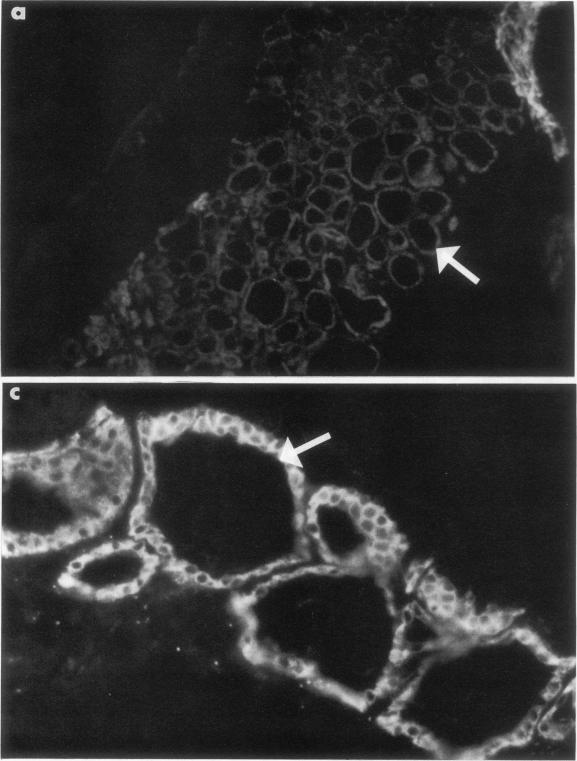
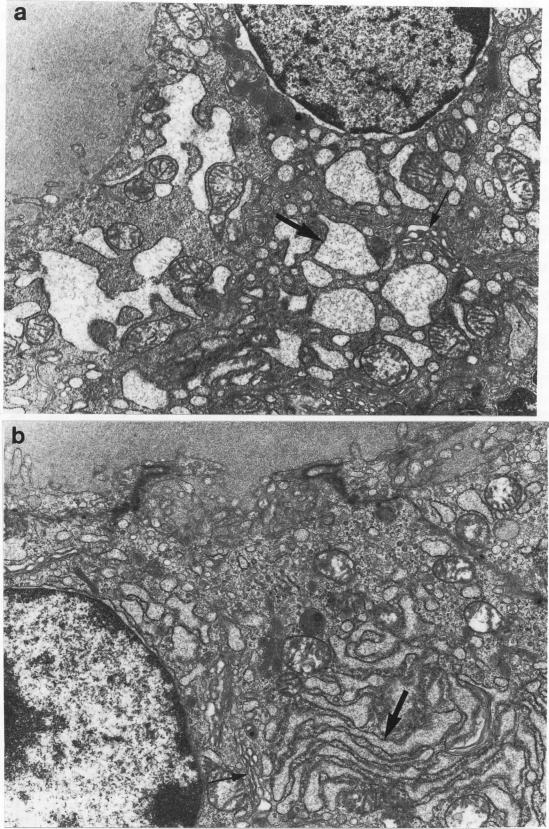
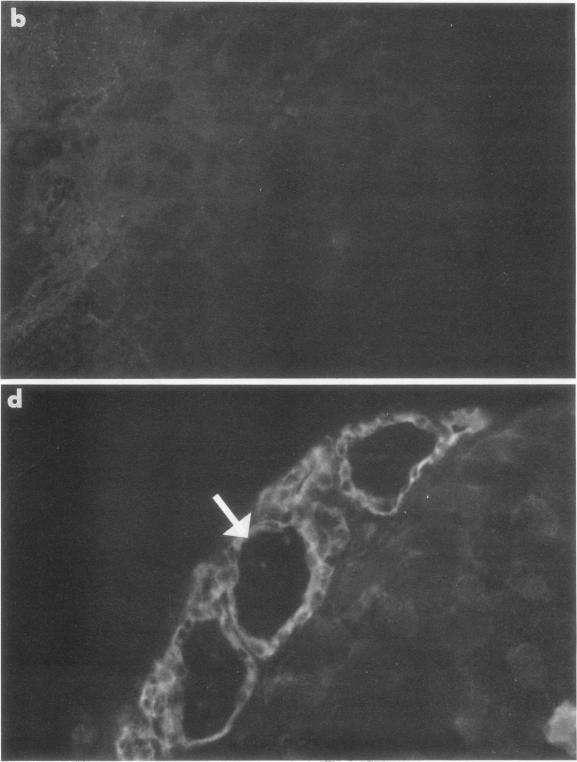
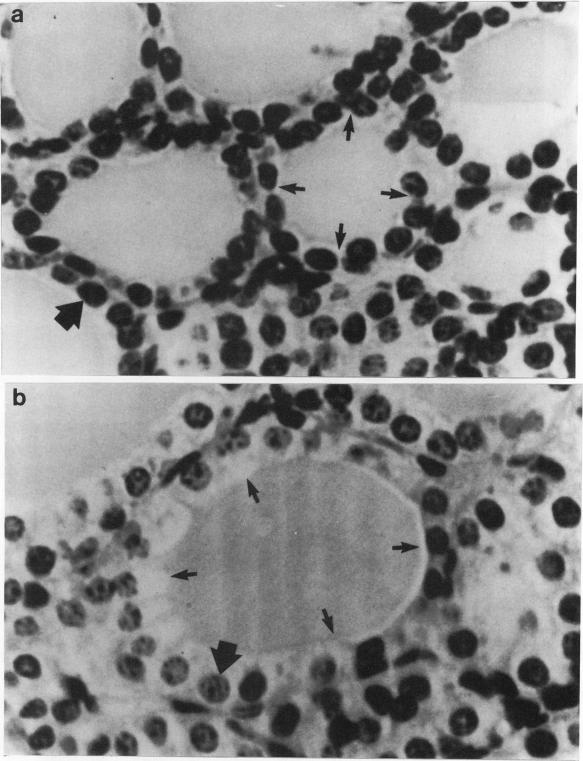
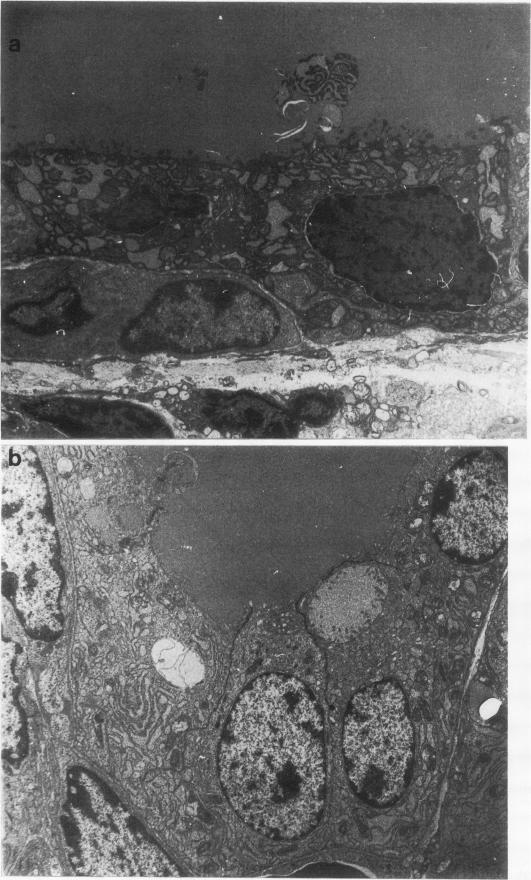
The overexpression of major histocompatibility complex (MHC) class I molecules in endocrine epithelial cells is an early feature of autoimmune thyroid disease and insulin-dependent diabetes mellitus, which may reflect a cellular response, e.g., to viruses or toxins. Evidence from a transgenic model in pancreatic beta cells suggests that MHC class I overexpression could play an independent role in endocrine cell destruction. We demonstrate in this study that the transgenic overexpression of an allogeneic MHC class I protein (H-2Kb) linked to the rat thyroglobulin promoter, in H-2Kk mice homozygous for the transgene, leads to thyrocyte atrophy, hypothyroidism, growth retardation, and death. Thyrocyte atrophy occurred in the absence of lymphocytic infiltration. Tolerance to allogeneic class I was revealed by the reduced ability of primed lymphocytes from transgenic mice to lyse H-2Kb target cells in vitro. This nonimmune form of thyrocyte destruction and hypothyroidism recapitulates the beta-cell destruction and diabetes that results from transgenic overexpression of MHC class I molecules in pancreatic beta cells. Thus, we conclude that overexpression of MHC class I molecules may be a general mechanism that directly impairs endocrine epithelial cell viability.
主要组织相容性复合体(MHC)I类分子在内分泌上皮细胞中的过表达是自身免疫性甲状腺疾病和胰岛素依赖型糖尿病的早期特征,这可能反映了细胞对病毒或毒素等的反应。来自胰腺β细胞转基因模型的证据表明,MHC I类分子的过表达可能在内分泌细胞破坏中起独立作用。我们在本研究中证明,在转基因纯合的H-2Kk小鼠中,与大鼠甲状腺球蛋白启动子相连的同种异体MHC I类蛋白(H-2Kb)的转基因过表达会导致甲状腺细胞萎缩、甲状腺功能减退、生长发育迟缓及死亡。甲状腺细胞萎缩在无淋巴细胞浸润的情况下发生。转基因小鼠致敏淋巴细胞在体外裂解H-2Kb靶细胞的能力降低,揭示了对同种异体I类分子的耐受性。这种甲状腺细胞破坏和甲状腺功能减退的非免疫形式重现了胰腺β细胞中MHC I类分子转基因过表达导致的β细胞破坏和糖尿病。因此,我们得出结论,MHC I类分子的过表达可能是直接损害内分泌上皮细胞活力的一种普遍机制。