Liblau R S, Tisch R, Shokat K, Yang X, Dumont N, Goodnow C C, McDevitt H O
Department of Microbiology and Immunology, Stanford University School of Medicine, CA 94305, USA.
Proc Natl Acad Sci U S A. 1996 Apr 2;93(7):3031-6. doi: 10.1073/pnas.93.7.3031.
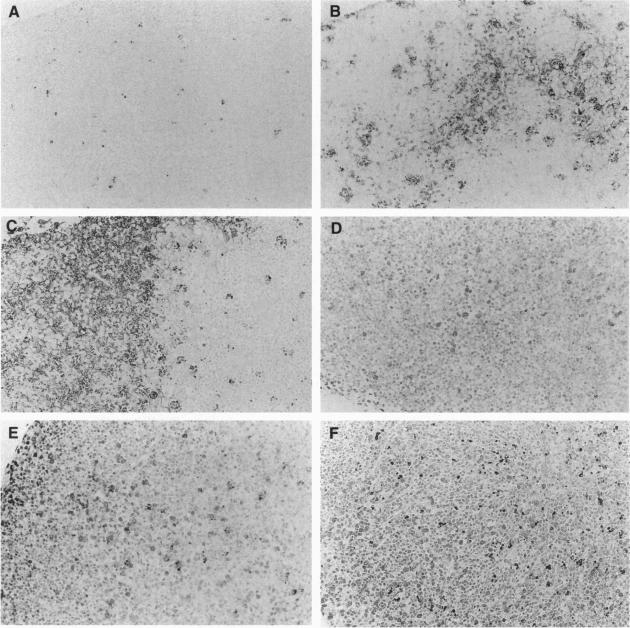
The mechanism by which tolerance is induced via systemic administration of high doses of aqueous antigen has been analyzed by using mice transgenic for a T-cell receptor specific for the influenza virus hemagglutinin (HA) peptide comprising amino acids 126-138. After intravenous injection of 750 (but not 75) micrograms of HA peptide, a state of hyporesponsiveness was rapidly induced. In the thymus, in situ apoptosis in the cortex and at the corticomedullary junction was responsible for a synchronous and massive deletion of CD4+ CD8+ thymocytes. In secondary lymphoid organs, HA-reactive T cells were initially activated but were hyporesponsive at the single cell level. After 3 days, however, those cells were rapidly deleted, at least partially, through an apoptotic process. Therefore, both thymic and peripheral apoptosis, in addition to T-cell receptor desensitization, contribute to high-dose tolerance.
通过使用针对流感病毒血凝素(HA)肽(包含氨基酸126 - 138)具有特异性T细胞受体的转基因小鼠,分析了通过全身给予高剂量水性抗原诱导耐受性的机制。静脉注射750微克(而非75微克)的HA肽后,迅速诱导出低反应状态。在胸腺中,皮质和皮质髓质交界处的原位凋亡导致CD4 + CD8 + 胸腺细胞同步大量缺失。在二级淋巴器官中,HA反应性T细胞最初被激活,但在单细胞水平上呈低反应性。然而,3天后,这些细胞至少部分地通过凋亡过程迅速被清除。因此,除了T细胞受体脱敏外,胸腺和外周凋亡均有助于高剂量耐受性的形成。