Chen L, Chen D, Manome Y, Dong Y, Fine H A, Kufe D W
Division of Cancer Pharmacology, Dana-Farber Cancer Institute, Harvard Medical School, Boston, Massachusetts 02115, USA.
J Clin Invest. 1995 Dec;96(6):2775-82. doi: 10.1172/JCI118347.
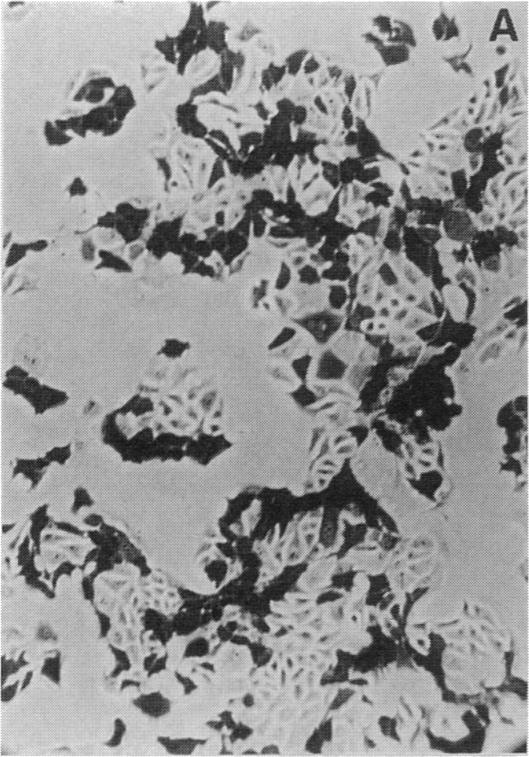
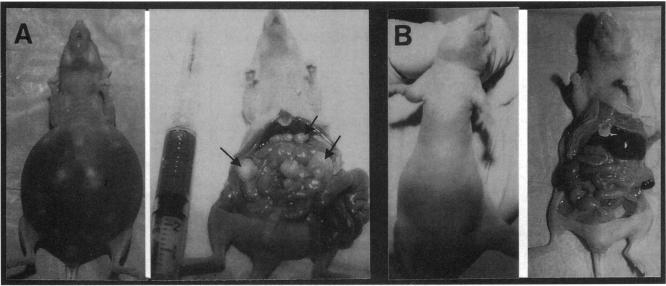
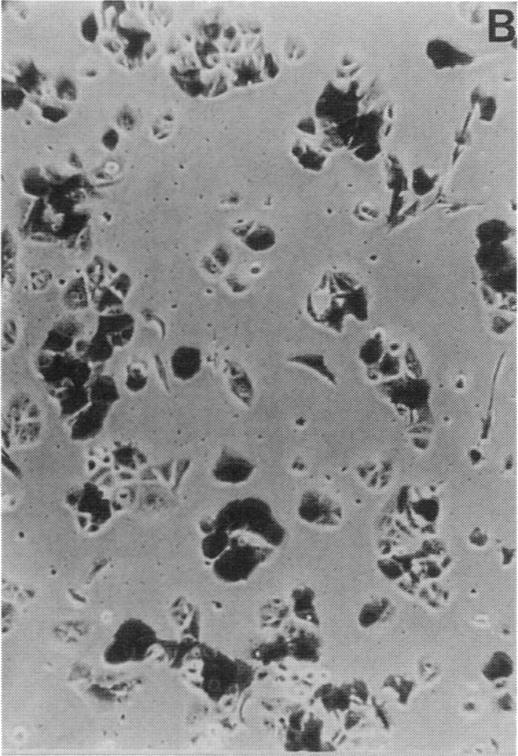
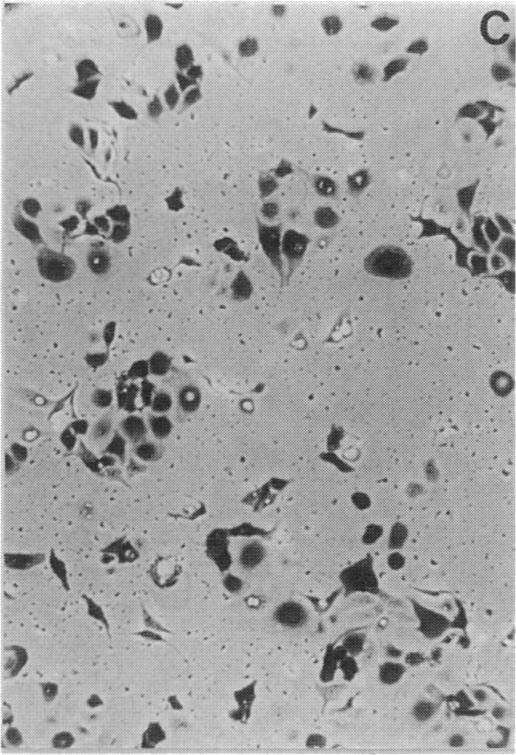
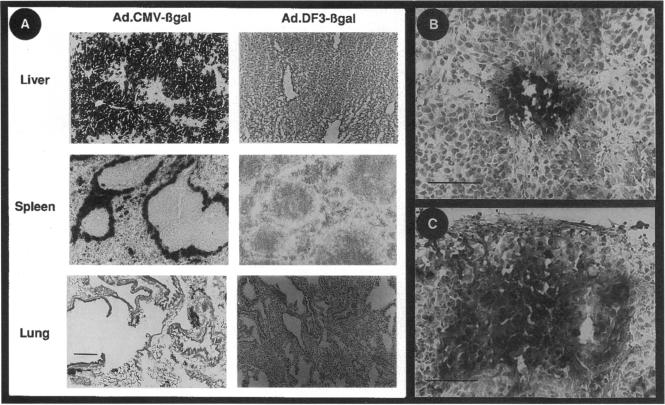
The high molecular weight mucin-like glycoprotein, DF3 (MUC1), is overexpressed in the majority of human breast cancers. Here we demonstrate that replication defective recombinant adenoviral vectors, containing the DF3 promoter (bp -725 to +31), can be used to express beta-galactosidase (Ad.DF3-betagal) and the herpes simplex virus thymidine kinase (HSV-tk) gene (Ad.Df3-tk) in DF3 positive breast carcinoma cell lines. In vivo experiments using breast tumor implants in nude mice injected with Ad.DF3-betagal demonstrated that expression of the beta-galactosidase gene is limited to DF3-positive breast cancer xenografts. Moreover, in an intraperitoneal breast cancer metastases model, we show that i.p. injection of Ad.DF3-tk followed by GCV treatment results in inhibition of tumor growth. These results demonstrate that utilization of the DF3 promoter in an adenoviral vector can confer selective expression of heterologous genes in breast cancer cells in vitro and in vivo.
高分子量粘蛋白样糖蛋白DF3(MUC1)在大多数人类乳腺癌中过度表达。在此我们证明,含有DF3启动子(碱基对-725至+31)的复制缺陷型重组腺病毒载体可用于在DF3阳性乳腺癌细胞系中表达β-半乳糖苷酶(Ad.DF3- betagal)和单纯疱疹病毒胸苷激酶(HSV-tk)基因(Ad.Df3-tk)。在裸鼠体内使用乳腺肿瘤植入物并注射Ad.DF3- betagal的实验表明,β-半乳糖苷酶基因的表达仅限于DF3阳性乳腺癌异种移植物。此外,在腹膜内乳腺癌转移模型中,我们发现腹腔注射Ad.DF3-tk后再进行GCV治疗可抑制肿瘤生长。这些结果表明,在腺病毒载体中利用DF3启动子可在体外和体内赋予乳腺癌细胞中异源基因的选择性表达。