Ehl S, Hombach J, Aichele P, Hengartner H, Zinkernagel R M
Institute of Experimental Immunology, Department of Pathology, University of Zurich, Switzerland.
J Exp Med. 1997 Apr 7;185(7):1241-51. doi: 10.1084/jem.185.7.1241.
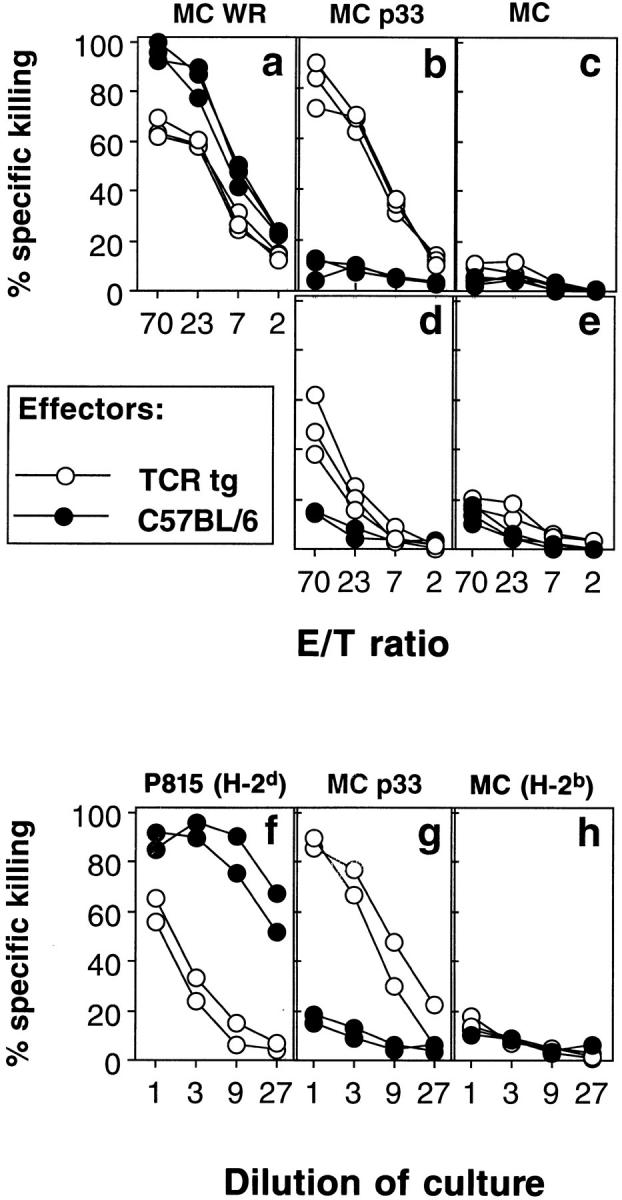
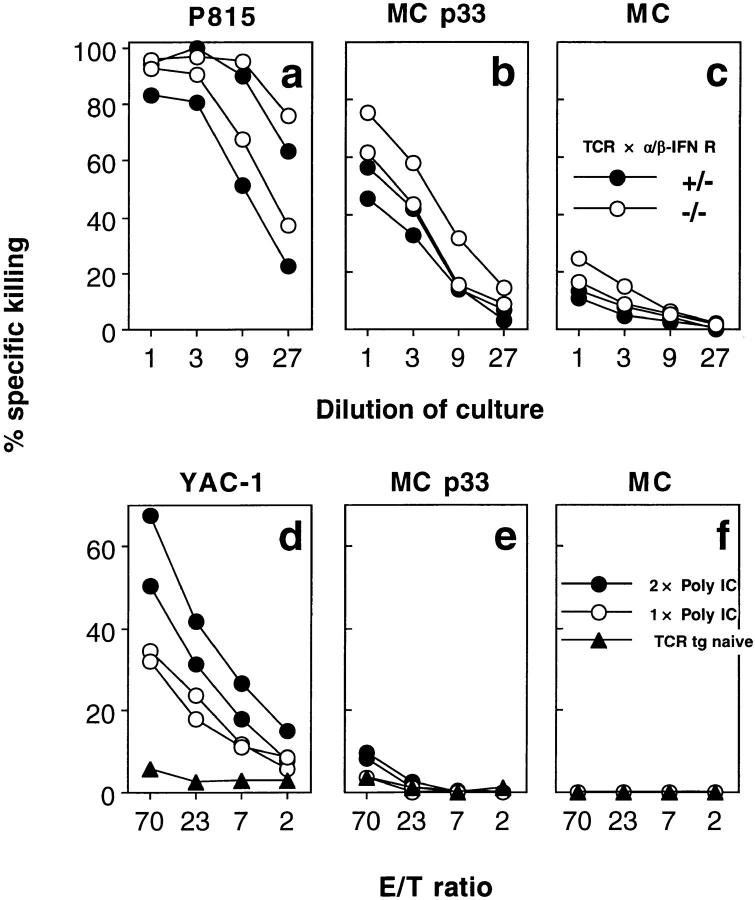
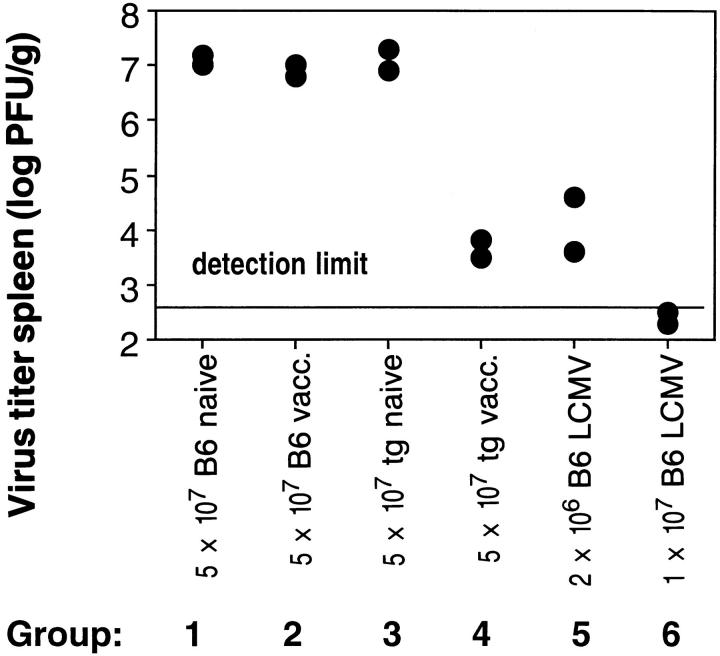
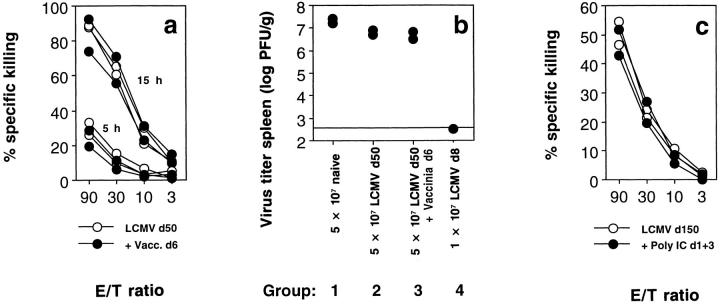
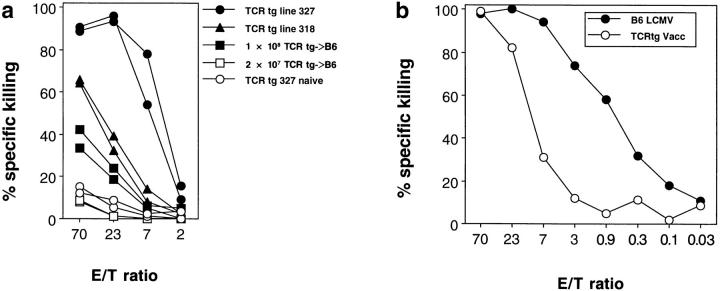
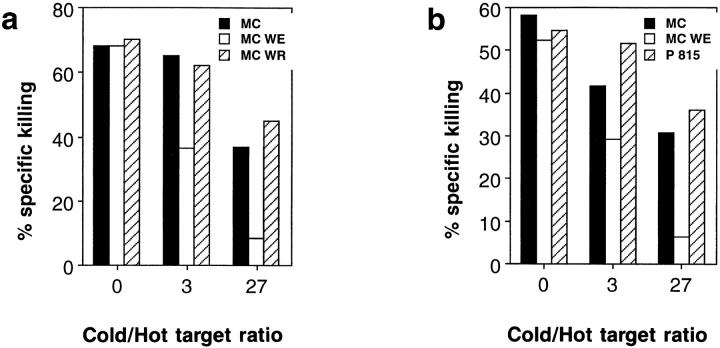
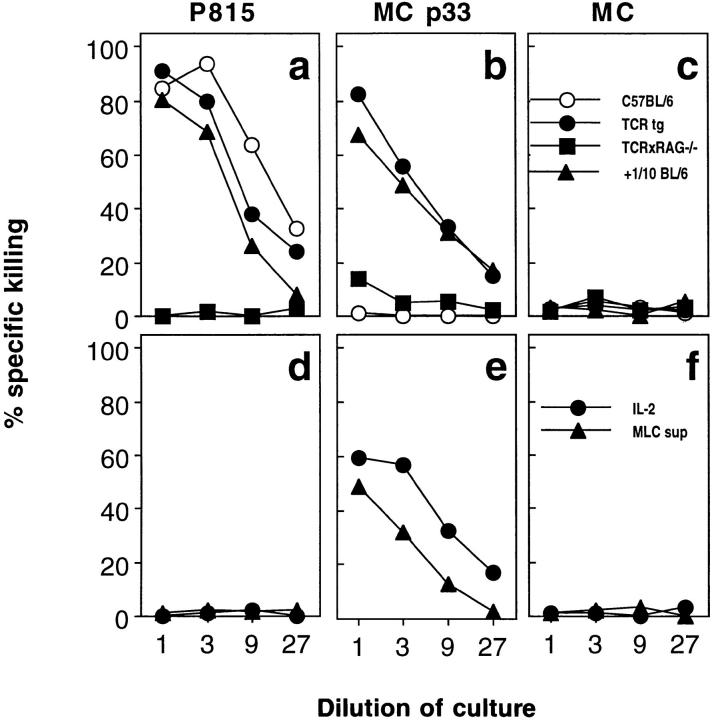
Bystander activation, i.e., activation of T cells specific for an antigen X during an immune response against antigen Y may occur during viral infections. However, the low frequency of bystander-activated T cells has rendered it difficult to define the mechanisms and possible in vivo relevance of this nonspecific activation. This study uses transgenic mice expressing a major histocompatibility complex class I-restricted TCR specific for glycoprotein peptide 33-41 of lymphocytic choriomeningitis virus (LCMV) to overcome this limitation. CD8+ T cells from specific pathogen-free maintained, unimmunized "naive" TCR transgenic mice can differentiate into LCMV-specific cytolytic effector CTL during infections with vaccinia virus or Listeria monocytogenes in vivo or mixed lymphocyte culture in vitro. We show that in these model situations (a) nonspecifically activated CTL are able to confer antiviral protection in vivo, (b) bystander activation is largely independent of the expression of a second T cell receptor of different specificity, (c) bystander activation is not mediated by a broadly cross-reactive TCR, but rather by cytokines, (d) bystander activation can be mediated by cytokines such as IL-2, but not alpha/beta-IFN in vitro; (e) bystander activation is, overall, a rare event, occuring in vivo in roughly 1 in 200 of the LCMV-specific CTL during infection of TCR transgenic mice with vaccinia virus; (f) bystander activation does not have a significant functional impact on nontransgenic CTL memory under the conditions tested; and (g) even in the TCR transgenic situation, where unphysiologically high numbers of T cells of a single specificity are present, bystander activation is not sufficient to cause clinically manifest autoimmune disease in a transgenic mouse model of diabetes. We conclude that although bystander activation via cytokines may generate cytolytically active CTL from naive precursors, quantitative considerations suggest that this is usually not of major biological consequence.
旁观者激活,即在针对抗原Y的免疫反应期间激活对抗原X特异的T细胞,可能发生在病毒感染过程中。然而,旁观者激活的T细胞频率较低,使得难以确定这种非特异性激活的机制及其在体内可能的相关性。本研究使用表达对淋巴细胞脉络丛脑膜炎病毒(LCMV)糖蛋白肽33 - 41特异的主要组织相容性复合体I类限制性TCR的转基因小鼠来克服这一限制。来自无特定病原体饲养的、未免疫的“幼稚”TCR转基因小鼠的CD8 + T细胞,在体内感染痘苗病毒或单核细胞增生李斯特菌期间或体外混合淋巴细胞培养时,可分化为LCMV特异性溶细胞效应CTL。我们表明,在这些模型情况下:(a)非特异性激活的CTL能够在体内提供抗病毒保护;(b)旁观者激活在很大程度上独立于不同特异性的第二种T细胞受体的表达;(c)旁观者激活不是由广泛交叉反应的TCR介导的,而是由细胞因子介导的;(d)旁观者激活可由诸如IL - 2等细胞因子在体外介导,但不是由α/β - IFN介导;(e)总体而言,旁观者激活是一种罕见事件,在TCR转基因小鼠感染痘苗病毒期间,体内大约每200个LCMV特异性CTL中会有1个发生;(f)在测试条件下,旁观者激活对非转基因CTL记忆没有显著的功能影响;(g)即使在TCR转基因情况下,即存在单一特异性的数量非生理性高的T细胞,旁观者激活也不足以在糖尿病转基因小鼠模型中引起临床明显的自身免疫疾病。我们得出结论,尽管通过细胞因子的旁观者激活可能从幼稚前体产生具有溶细胞活性的CTL,但从数量上考虑表明,这通常没有主要的生物学后果。