Kishi S, Saijyo S, Arai M, Karasawa S, Ueda S, Kannagi M, Iwakura Y, Fujii M, Yonehara S
Pharmaceutical Basic Research Laboratories JT Inc., Yokohama 236, Japan.
J Exp Med. 1997 Jul 7;186(1):57-64. doi: 10.1084/jem.186.1.57.
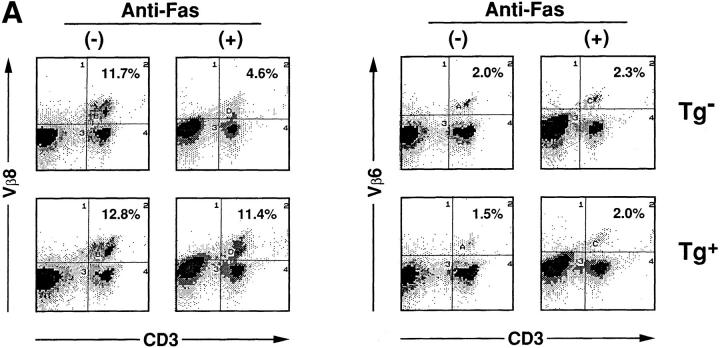
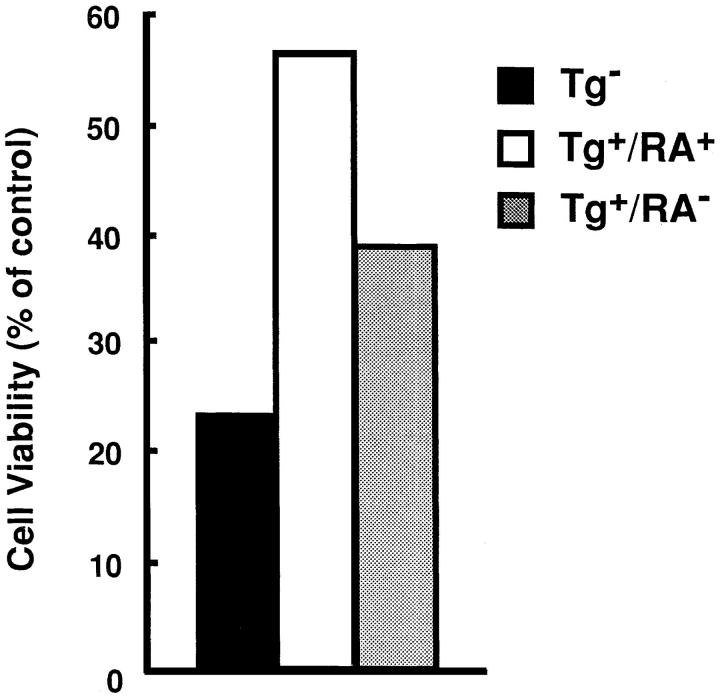
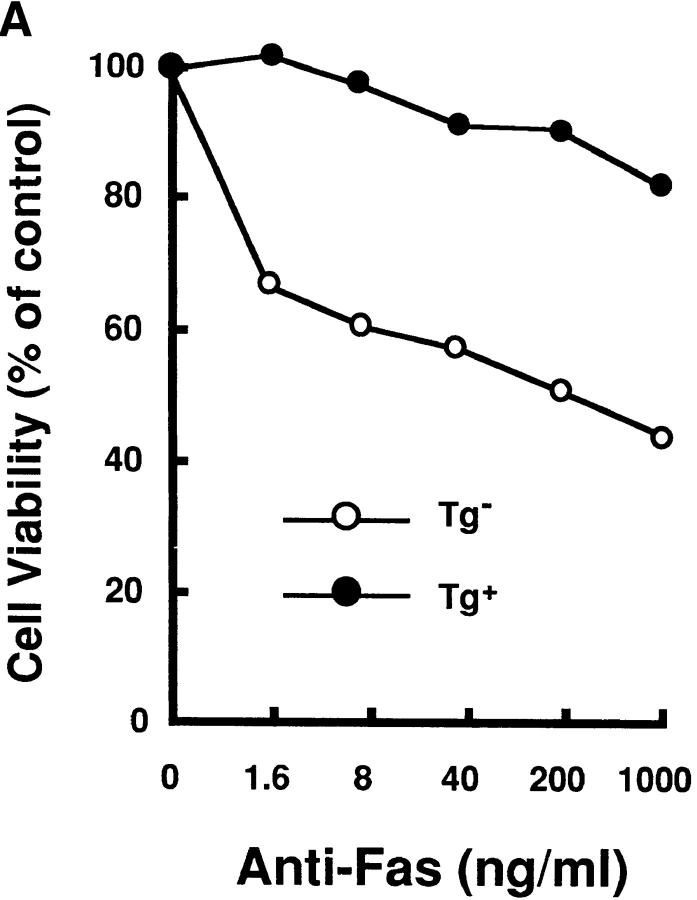
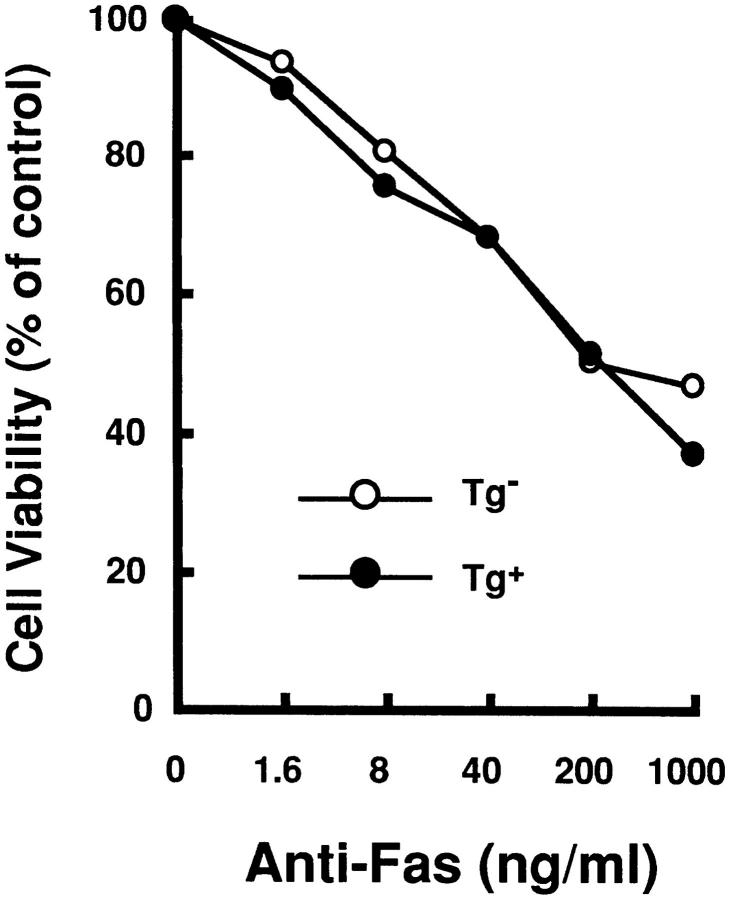
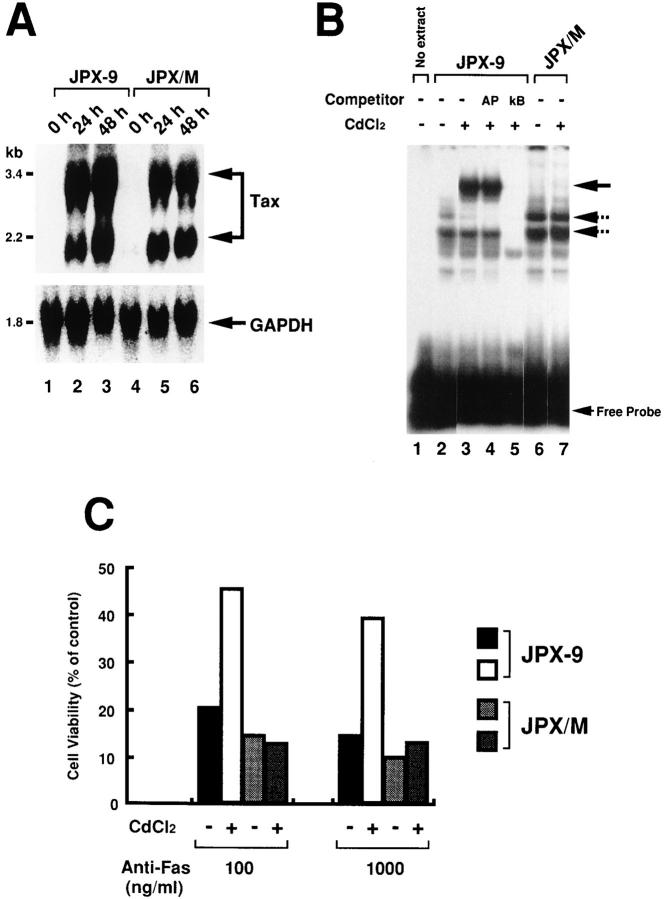
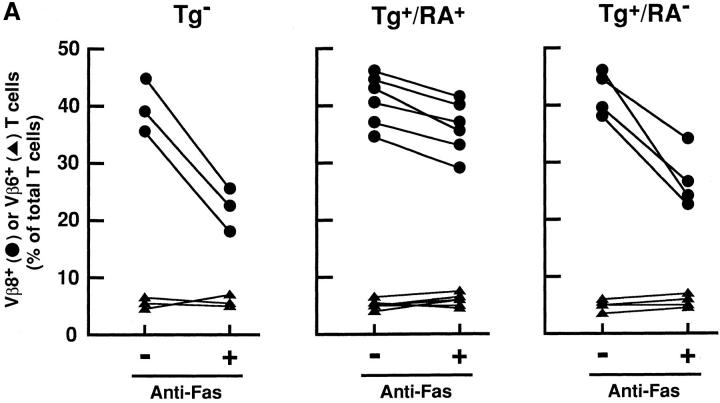
Transgenic mice carrying the env-pX region of human T lymphocyte virus type I (HTLV-I) develop autoimmune arthropathy in high incidence. Adopting the approach that Fas-mediated apoptosis has a critical function in the elimination of self-reactive T cells, we examined the involvement of this apoptosis in the induction of autoimmunity in HTLV-I transgenic mice. Splenic T cells derived from the transgenic mice were more resistant to apoptosis induced by anti-Fas mAb than those of the nontransgenic mice, whereas no appreciable difference in apoptosis was detected for thymocytes from either mouse's type. The resistance of transgenic T cells may be due to Tax coded in the pX region, since Tax mediates the inhibition of anti-Fas- induced apoptosis in mature T cell line, Jurkat. Among the transgenic mice, the extent of the resistance to Fas-mediated apoptosis was further enhanced in transgenic T cells with disease. These results suggest that the escape of self-reactive T cells from Fas-mediated apoptosis in the periphery, is critical for the development of autoimmune arthropathy in HTLV-I transgenic mice.
携带人类I型T淋巴细胞病毒(HTLV-I)env-pX区域的转基因小鼠高发自身免疫性关节病。采用Fas介导的凋亡在清除自身反应性T细胞中起关键作用这一方法,我们研究了这种凋亡在HTLV-I转基因小鼠自身免疫诱导中的作用。转基因小鼠来源的脾T细胞比非转基因小鼠的脾T细胞对抗Fas单克隆抗体诱导的凋亡更具抗性,而两种小鼠的胸腺细胞在凋亡方面未检测到明显差异。转基因T细胞的抗性可能归因于pX区域编码的Tax,因为Tax介导成熟T细胞系Jurkat中抗Fas诱导凋亡的抑制。在转基因小鼠中,患病转基因T细胞对Fas介导凋亡的抗性程度进一步增强。这些结果表明,在外周,自身反应性T细胞从Fas介导的凋亡中逃逸,对HTLV-I转基因小鼠自身免疫性关节病的发展至关重要。