Ferrari D, Wesselborg S, Bauer M K, Schulze-Osthoff K
Department of Internal Medicine I, Medical Clinics, Eberhard-Karls-University, D-72076 Tübingen, Germany.
J Cell Biol. 1997 Dec 29;139(7):1635-43. doi: 10.1083/jcb.139.7.1635.
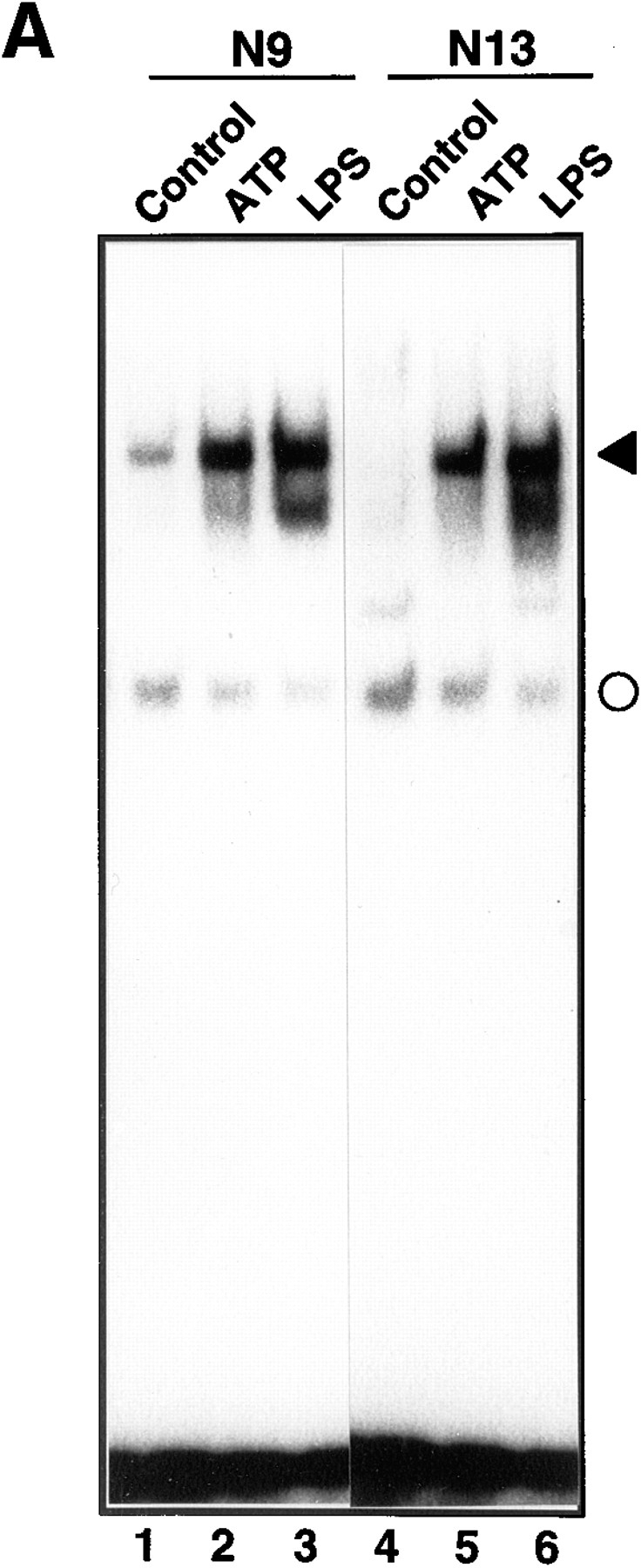
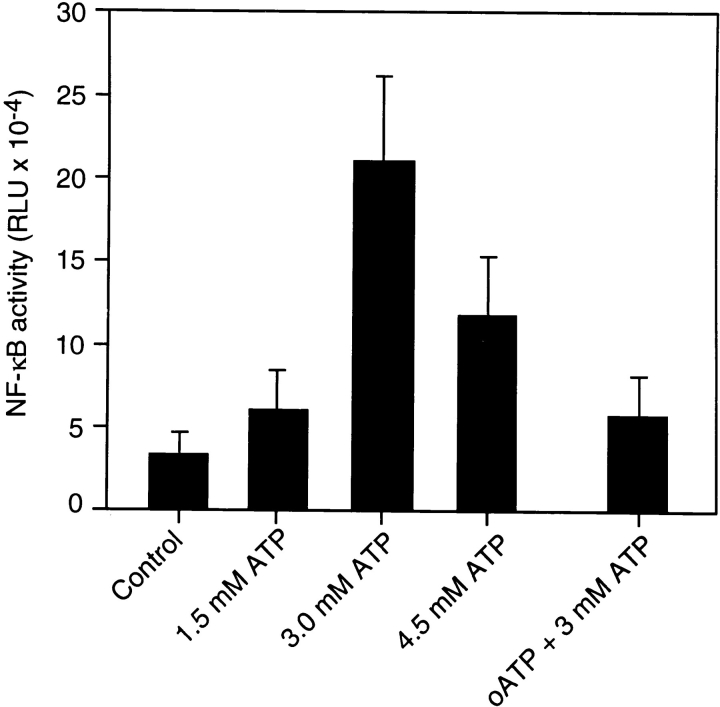
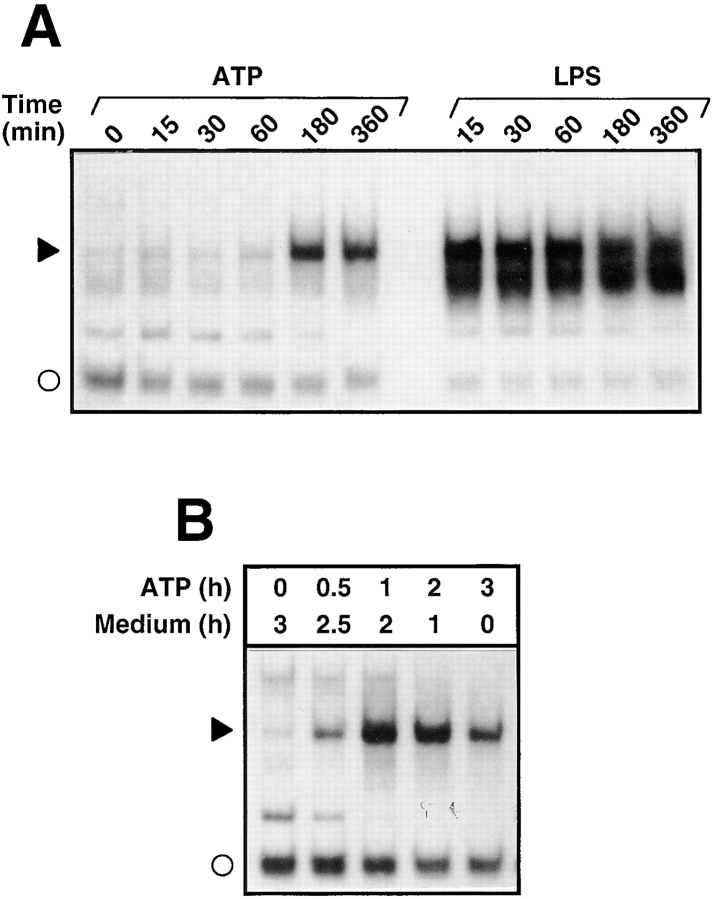
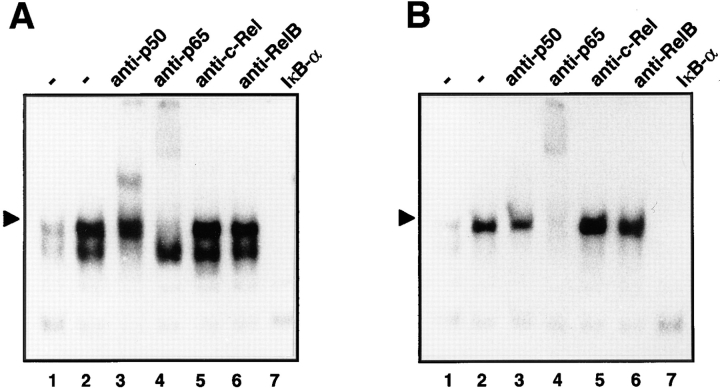
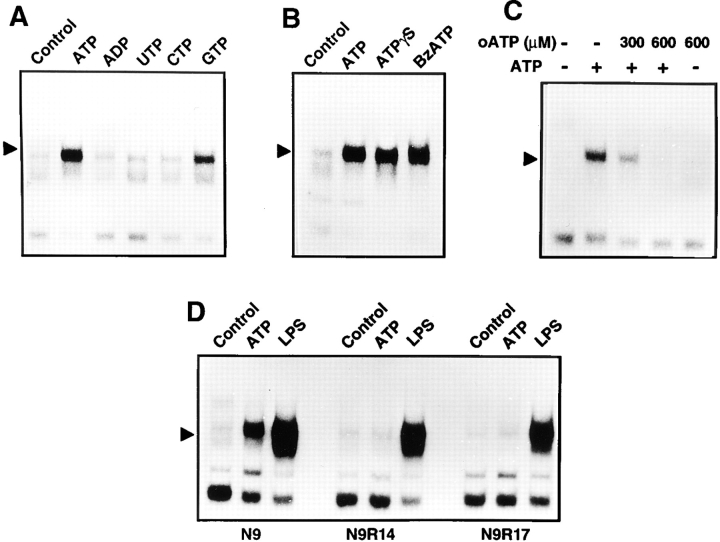
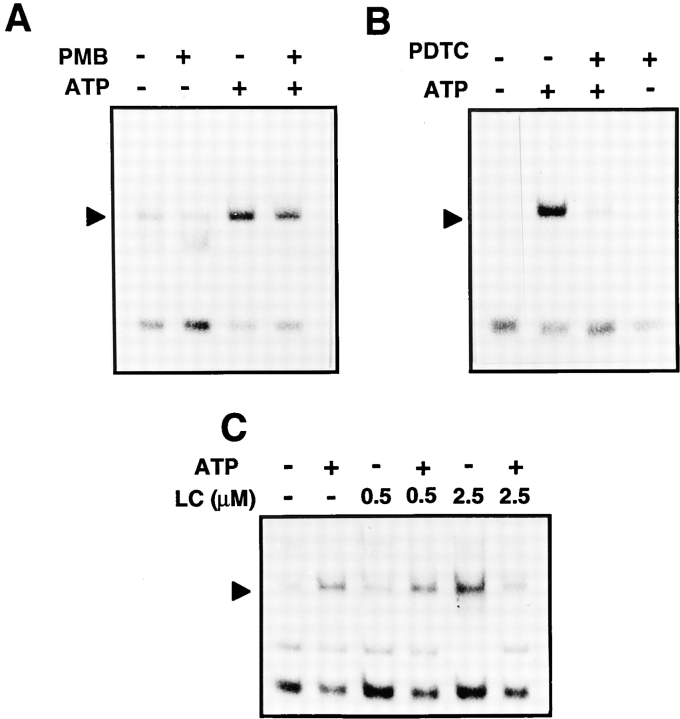
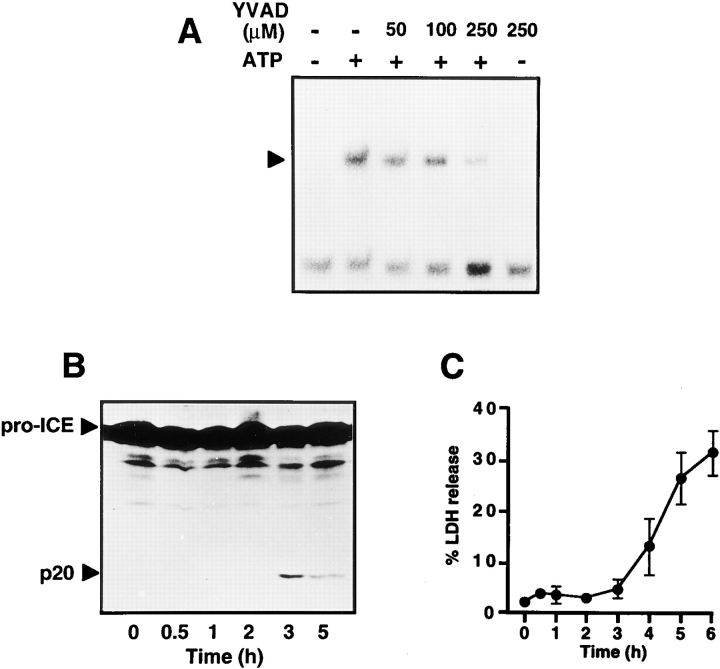
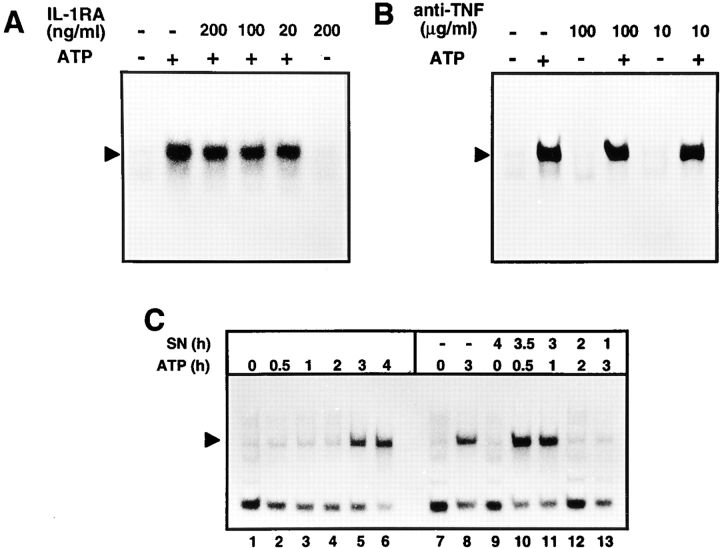
Cells of the macrophage lineage express a peculiar surface receptor for extracellular ATP, designated P2Z/P2X7 purinergic receptor, that induces pore formation and collapse of the plasma membrane potential. Although the function of the P2Z receptor is largely unknown, accumulating evidence implicates its role in cell signaling and immune reactions. Here, we investigated the effect of P2Z receptor ligation on the activation of NF-kappaB, a transcription factor controlling cytokine expression and apoptosis. Exposure of microglial cells to ATP but not other nucleotides resulted in potent NF-kappaB activation. This effect was specifically mediated by the P2Z receptor, because selective receptor antagonists prevented NF-kappaB activation. NF-kappaB activation required reactive oxygen intermediates and proteases of the caspase family, because it was abolished by antioxidants and specific protease inhibitors. The subunit composition of the ATP-induced NF- kappaB-DNA complex was rather unusual. Whereas exposure to LPS-induced prototypical NF-kappaB p50 homo- and p65 (RelA)/p50 heterodimers, ATP stimulation resulted in the sole appearance of a p65 homodimer. This is the first demonstration that a certain stimulus activates a particular NF-kappaB subunit. Because different NF-kappaB complexes exhibit distinct transcriptional and DNA-binding activities, ATP may control the expression of a subset of NF-kappaB target genes distinct from those activated by classical proinflammatory mediators.
巨噬细胞系的细胞表达一种特殊的细胞外ATP表面受体,称为P2Z/P2X7嘌呤能受体,该受体可诱导细胞膜孔形成和膜电位崩溃。尽管P2Z受体的功能在很大程度上尚不清楚,但越来越多的证据表明其在细胞信号传导和免疫反应中发挥作用。在此,我们研究了P2Z受体连接对NF-κB激活的影响,NF-κB是一种控制细胞因子表达和细胞凋亡的转录因子。将小胶质细胞暴露于ATP而非其他核苷酸会导致强效的NF-κB激活。这种效应是由P2Z受体特异性介导的,因为选择性受体拮抗剂可阻止NF-κB激活。NF-κB激活需要活性氧中间体和半胱天冬酶家族的蛋白酶,因为抗氧化剂和特异性蛋白酶抑制剂可消除这种激活。ATP诱导的NF-κB-DNA复合物的亚基组成相当不寻常。暴露于LPS会诱导典型的NF-κB p50同源二聚体和p65(RelA)/p50异源二聚体,而ATP刺激则导致仅出现p65同源二聚体。这是首次证明特定刺激可激活特定的NF-κB亚基。由于不同的NF-κB复合物表现出不同的转录和DNA结合活性,ATP可能控制与经典促炎介质激活的基因不同的一部分NF-κB靶基因的表达。