Linsdell P, Hanrahan J W
Department of Physiology, McGill University, Montréal, Québec, Canada.
J Gen Physiol. 1998 Apr;111(4):601-14. doi: 10.1085/jgp.111.4.601.
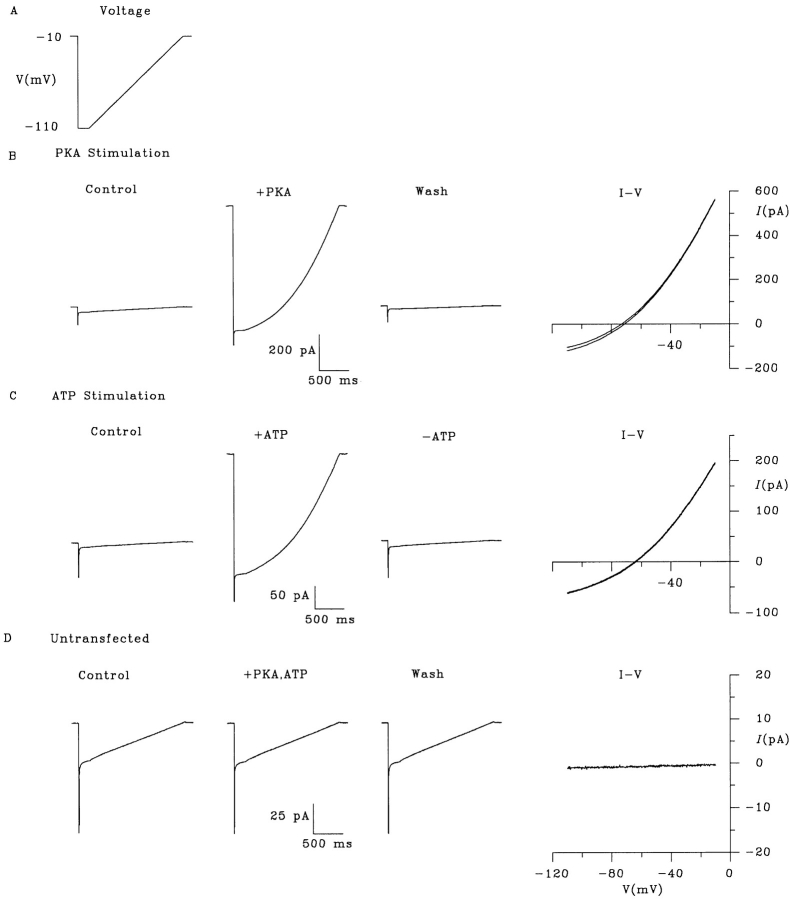
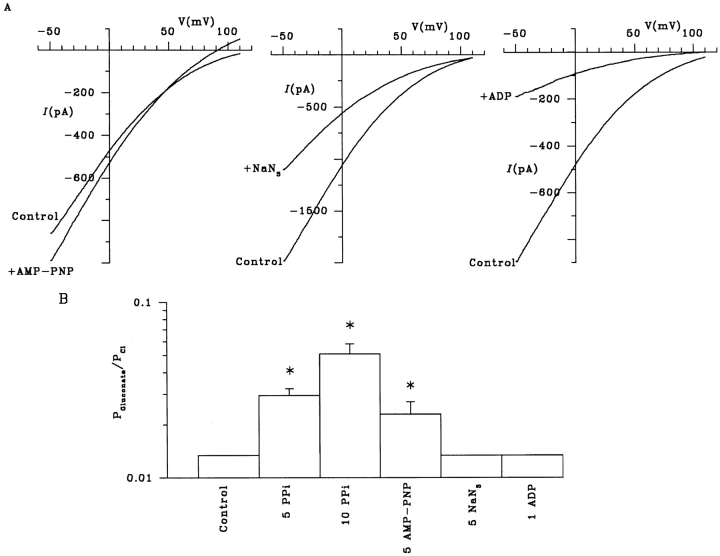
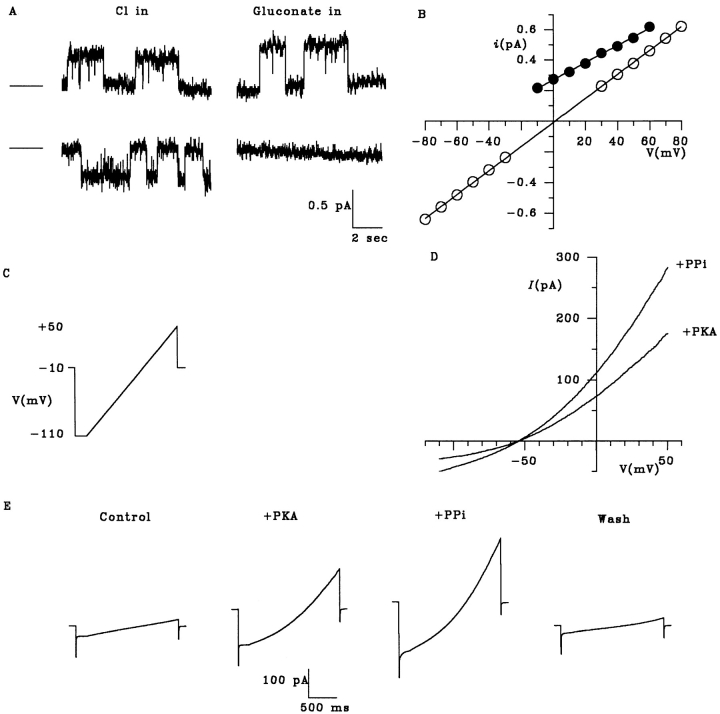
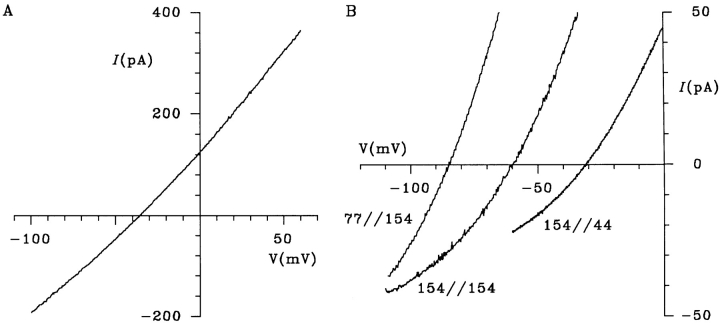
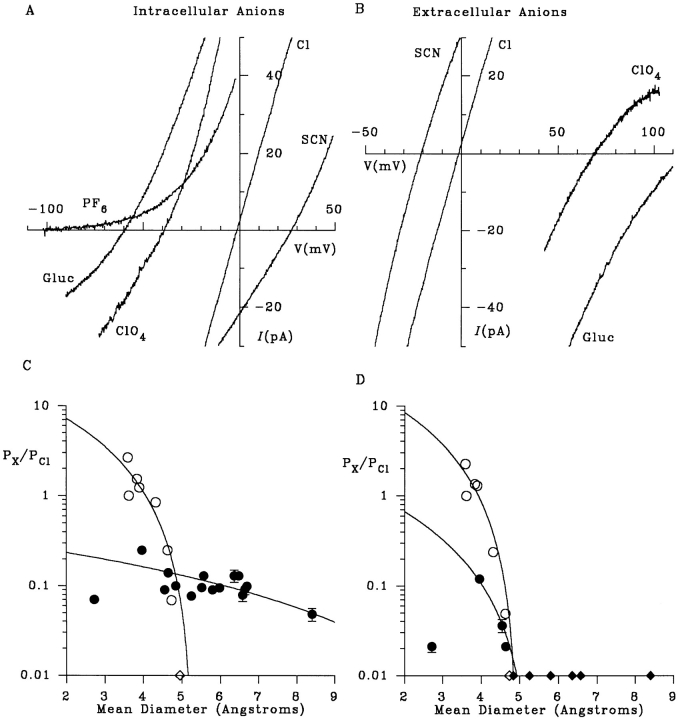
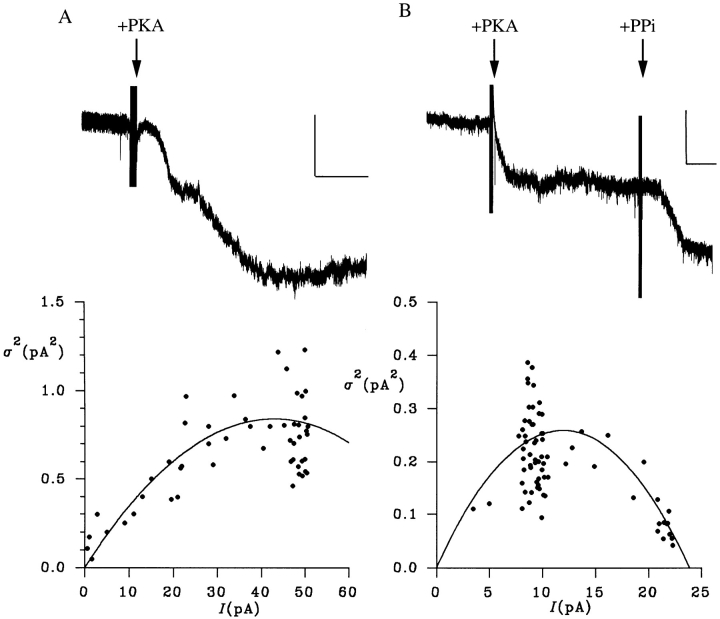
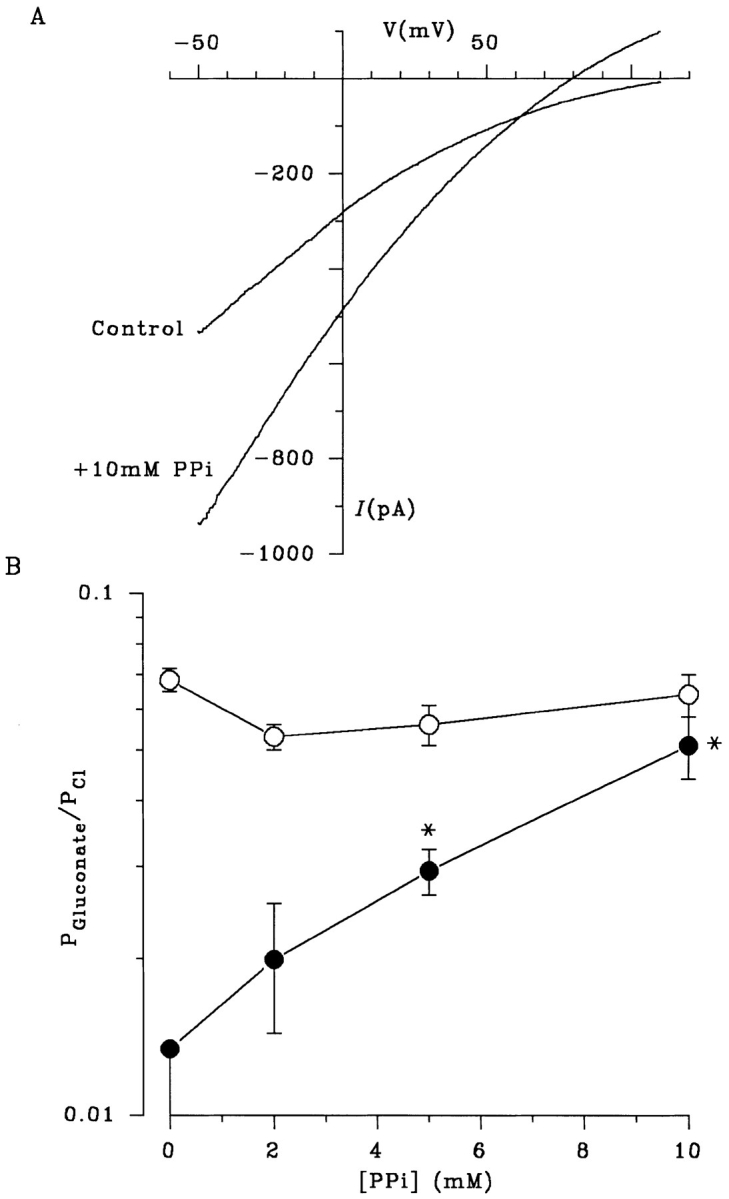
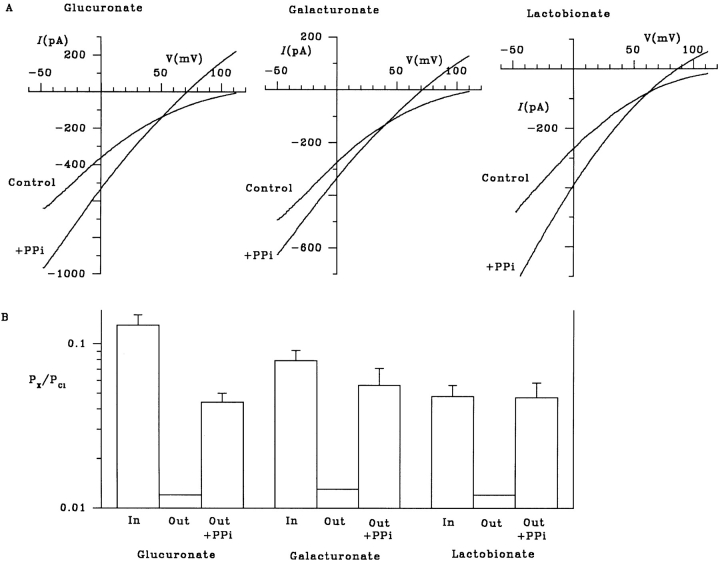
The cystic fibrosis transmembrane conductance regulator (CFTR) forms a tightly regulated channel that mediates the passive diffusion of Cl- ions. Here we show, using macroscopic current recording from excised membrane patches, that CFTR also shows significant, but highly asymmetrical, permeability to a broad range of large organic anions. Thus, all large organic anions tested were permeant when present in the intracellular solution under biionic conditions (PX/PCl = 0.048-0.25), whereas most were not measurably permeant when present in the extracellular solution. This asymmetry was not observed for smaller anions. ATPase inhibitors that "lock" CFTR channels in the open state (pyrophosphate, 5'-adenylylimidodiphosphate) disrupted the asymmetry of large anion permeation by allowing their influx from the extracellular solution, which suggests that ATP hydrolysis is required to maintain asymmetric permeability. The ability of CFTR to allow efflux of large organic anions represents a novel function of CFTR. Loss of this function may contribute to the pleiotropic symptoms seen in cystic fibrosis.
囊性纤维化跨膜传导调节因子(CFTR)形成一个受到严格调控的通道,介导氯离子的被动扩散。在此,我们通过对切除的膜片进行宏观电流记录表明,CFTR对多种大的有机阴离子也具有显著但高度不对称的通透性。因此,在双离子条件下,当所有测试的大有机阴离子存在于细胞内溶液中时都是可通透的(PX/PCl = 0.048 - 0.25),而当它们存在于细胞外溶液中时,大多数则无法检测到其通透性。对于较小的阴离子,未观察到这种不对称性。能将CFTR通道“锁定”在开放状态的ATP酶抑制剂(焦磷酸、5'-腺苷酰亚胺二磷酸)通过允许大阴离子从细胞外溶液流入,破坏了大阴离子通透的不对称性,这表明维持不对称通透性需要ATP水解。CFTR允许大有机阴离子外流的能力代表了CFTR的一种新功能。该功能的丧失可能导致囊性纤维化中出现的多效性症状。