Su H, Messer R, Whitmire W, Fischer E, Portis J C, Caldwell H D
Laboratory of Intracellular Parasites, National Institutes of Allergy and Infectious Diseases, Rocky Mountain Laboratory, Hamilton, Montana 59840, USA.
J Exp Med. 1998 Sep 7;188(5):809-18. doi: 10.1084/jem.188.5.809.
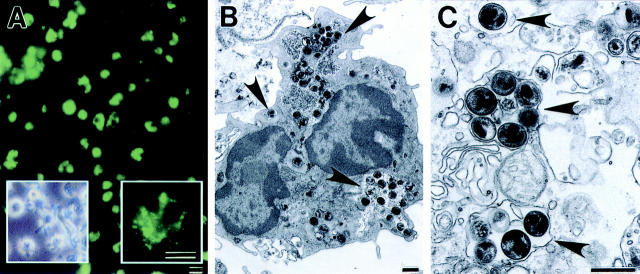
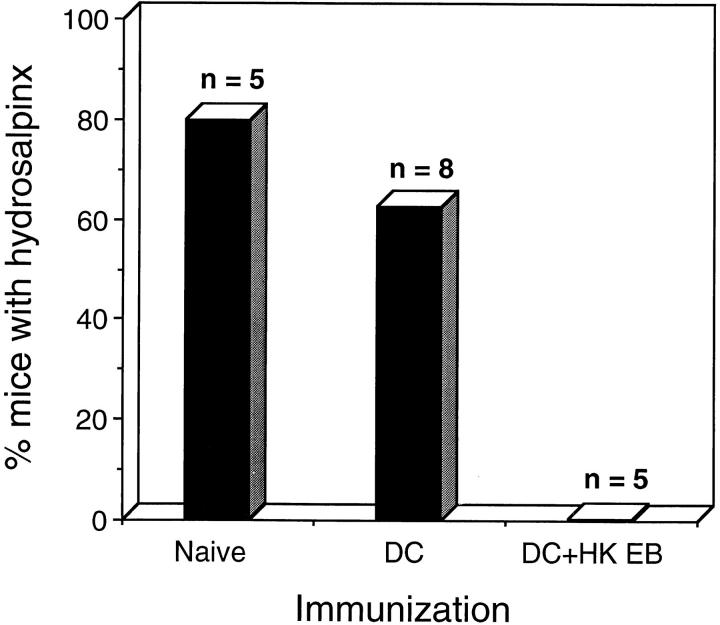
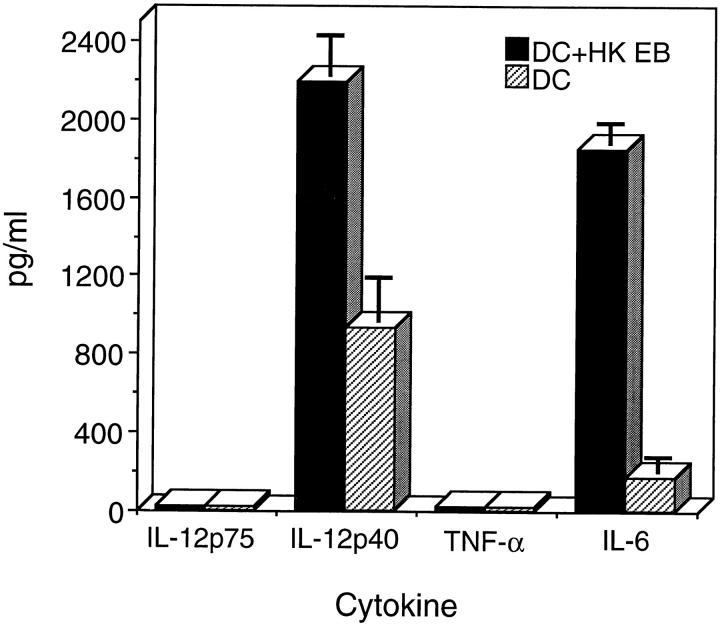
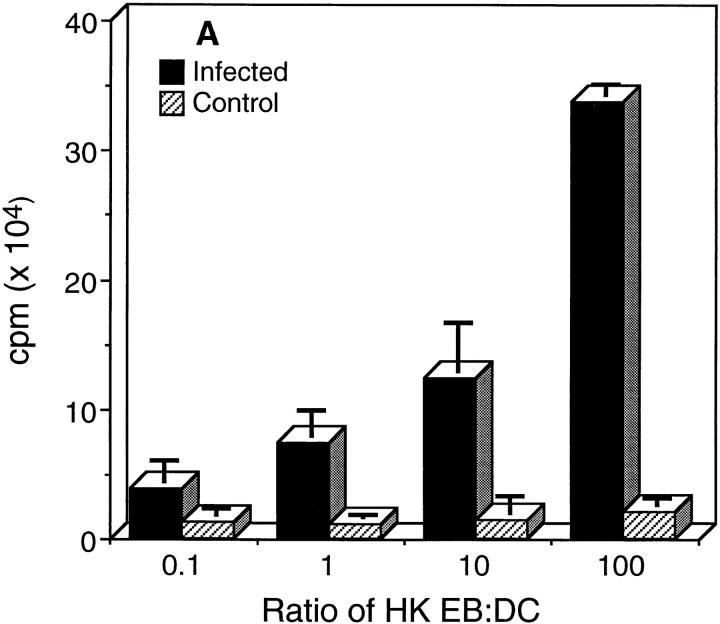
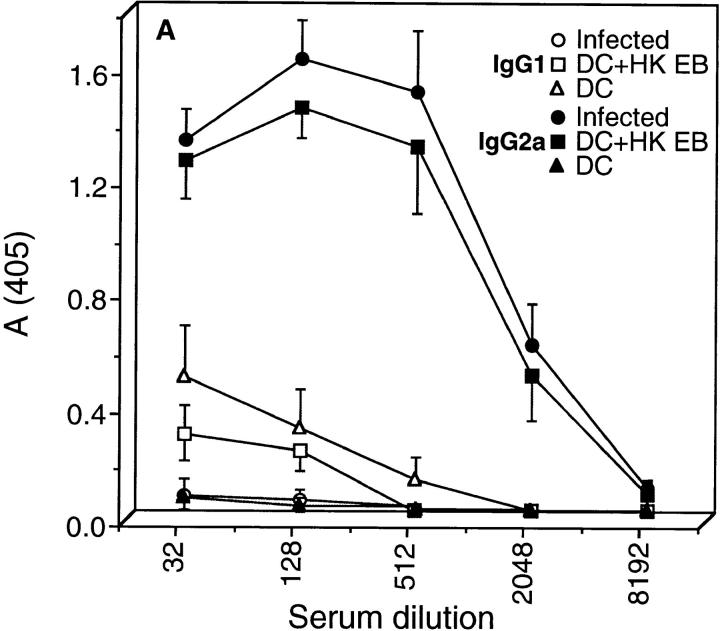
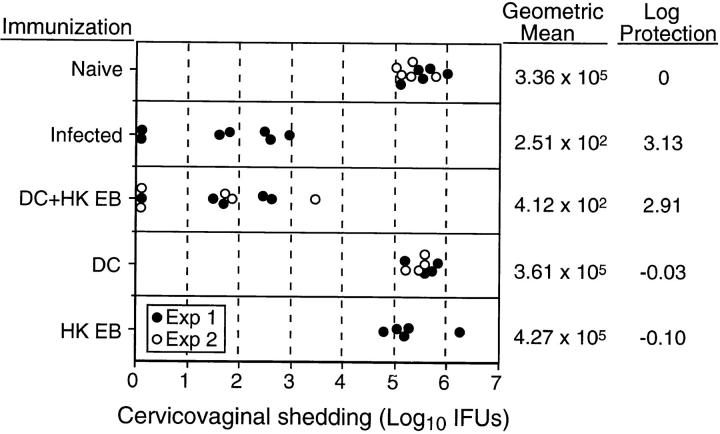
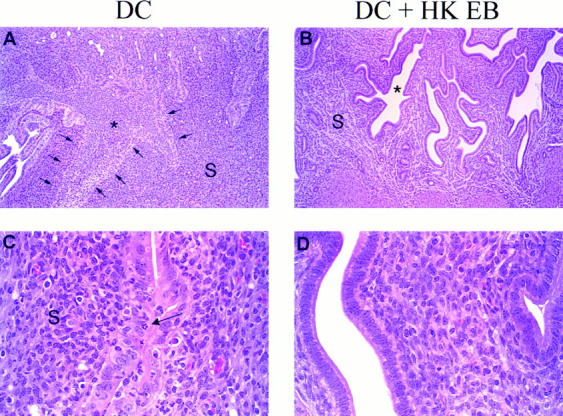
Chlamydia trachomatis, an obligate intracellular bacterial pathogen of mucosal surfaces, is a major cause of preventable blindness and sexually transmitted diseases for which vaccines are badly needed. Despite considerable effort, antichlamydial vaccines have proven to be elusive using conventional immunization strategies. We report the use of murine bone marrow-derived dendritic cells (DC) pulsed ex vivo with killed chlamydiae as a novel approach to vaccination against chlamydial infection. Our results show that DC efficiently phagocytose chlamydiae, secrete IL-12 p40, and present chlamydial antigen(s) to infection sensitized CD4(+) T cells. Mice immunized intravenously with chlamydial-pulsed DC produce protective immunity against chlamydial infection of the female genital tract equal to that obtained after infection with live organisms. Immunized mice shed approximately 3 logs fewer infectious chlamydiae and are protected from genital tract inflammatory and obstructive disease. Protective immunity is correlated with a chlamydial-specific Th1-biased response that closely mimics the immune response produced after chlamydial infection. Thus, ex vivo antigen-pulsed DC represent a powerful tool for the study of protective immunity to chlamydial mucosal infection and for the identification of chlamydial protective antigens through reconstitution experiments. Moreover, these findings might impact the design of vaccine strategies against other medically important sexually transmitted diseases for which vaccines are sought but which have proven difficult to develop.
沙眼衣原体是一种专性细胞内寄生的粘膜表面细菌病原体,是可预防失明和性传播疾病的主要病因,因此急需疫苗。尽管付出了巨大努力,但事实证明,使用传统免疫策略很难研制出抗衣原体疫苗。我们报告了一种新的疫苗接种方法,即使用经体外培养并用灭活衣原体脉冲处理的小鼠骨髓来源的树突状细胞(DC)来预防衣原体感染。我们的结果表明,DC能有效吞噬衣原体,分泌IL-12 p40,并将衣原体抗原呈递给感染致敏的CD4(+) T细胞。用衣原体脉冲处理的DC静脉注射免疫的小鼠,对女性生殖道衣原体感染产生的保护性免疫与活生物体感染后获得的免疫相当。免疫小鼠排出的感染性衣原体减少了约3个对数,并且免受生殖道炎症和阻塞性疾病的侵害。保护性免疫与衣原体特异性的Th1偏向性反应相关,该反应与衣原体感染后产生的免疫反应非常相似。因此,体外抗原脉冲处理的DC是研究衣原体粘膜感染保护性免疫以及通过重组实验鉴定衣原体保护性抗原的有力工具。此外,这些发现可能会影响针对其他重要的、正在寻求疫苗但难以研制的性传播疾病的疫苗策略设计。