Ehring G R, Kerschbaum H H, Eder C, Neben A L, Fanger C M, Khoury R M, Negulescu P A, Cahalan M D
Department of Physiology and Biophysics, University of California, Irvine, California 92697, USA.
J Exp Med. 1998 Nov 2;188(9):1593-602. doi: 10.1084/jem.188.9.1593.
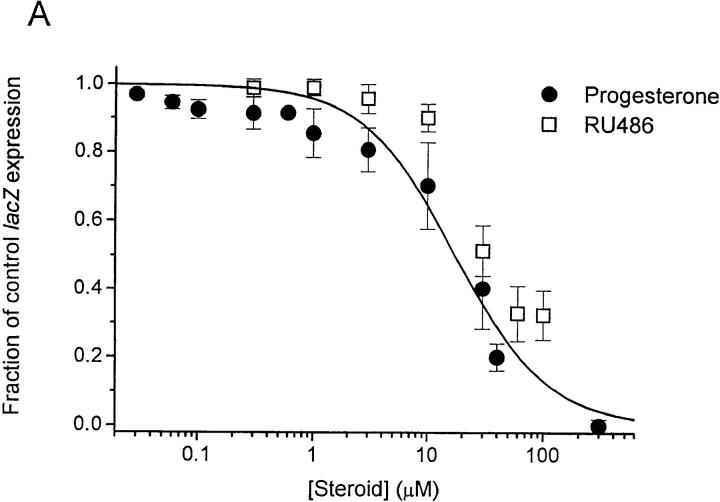
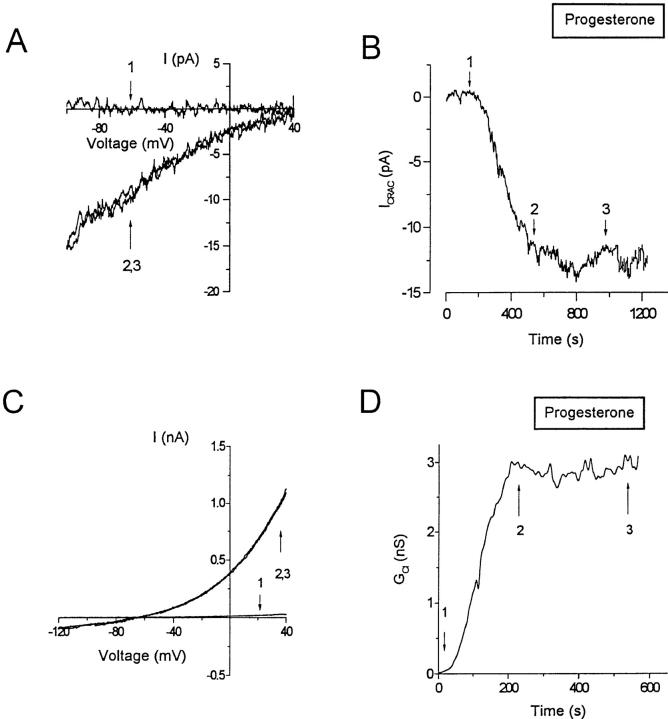
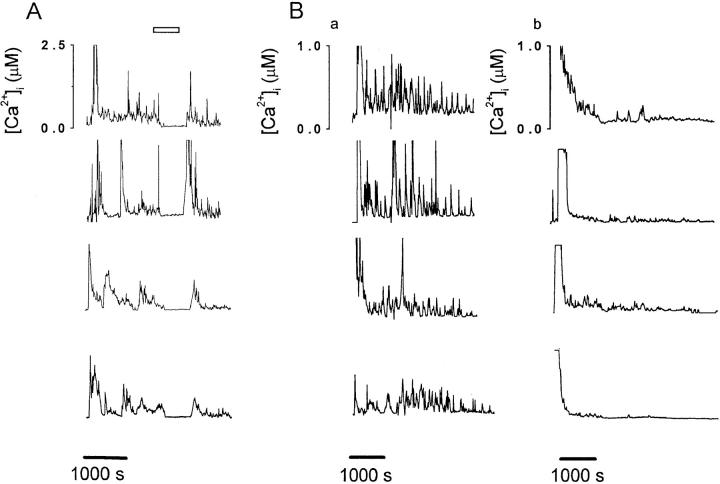
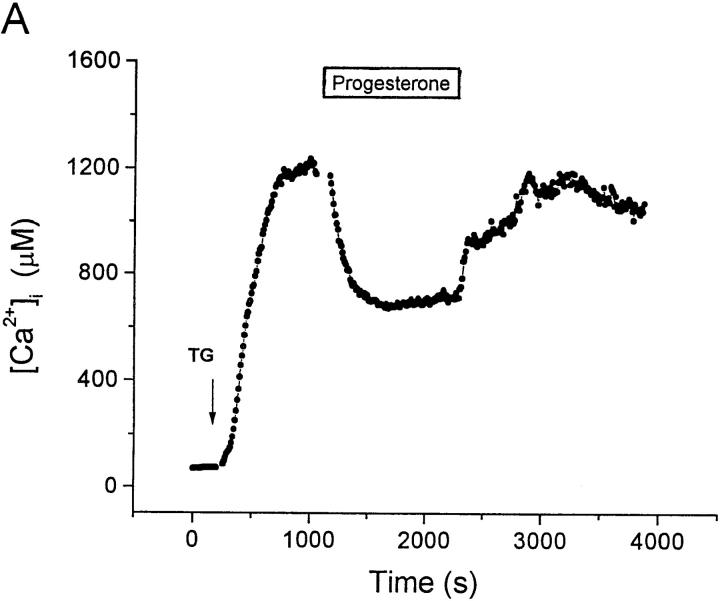
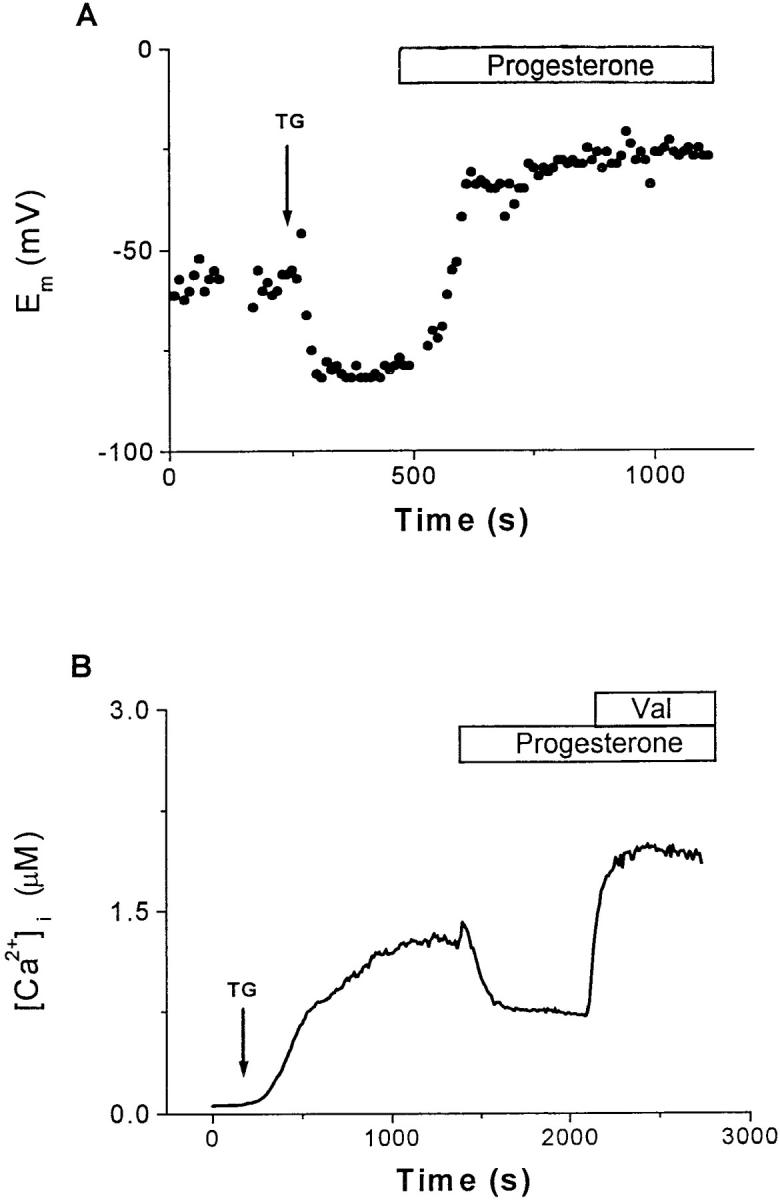
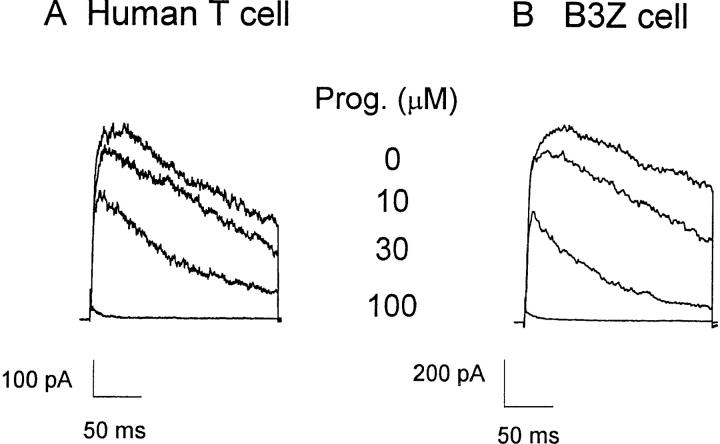
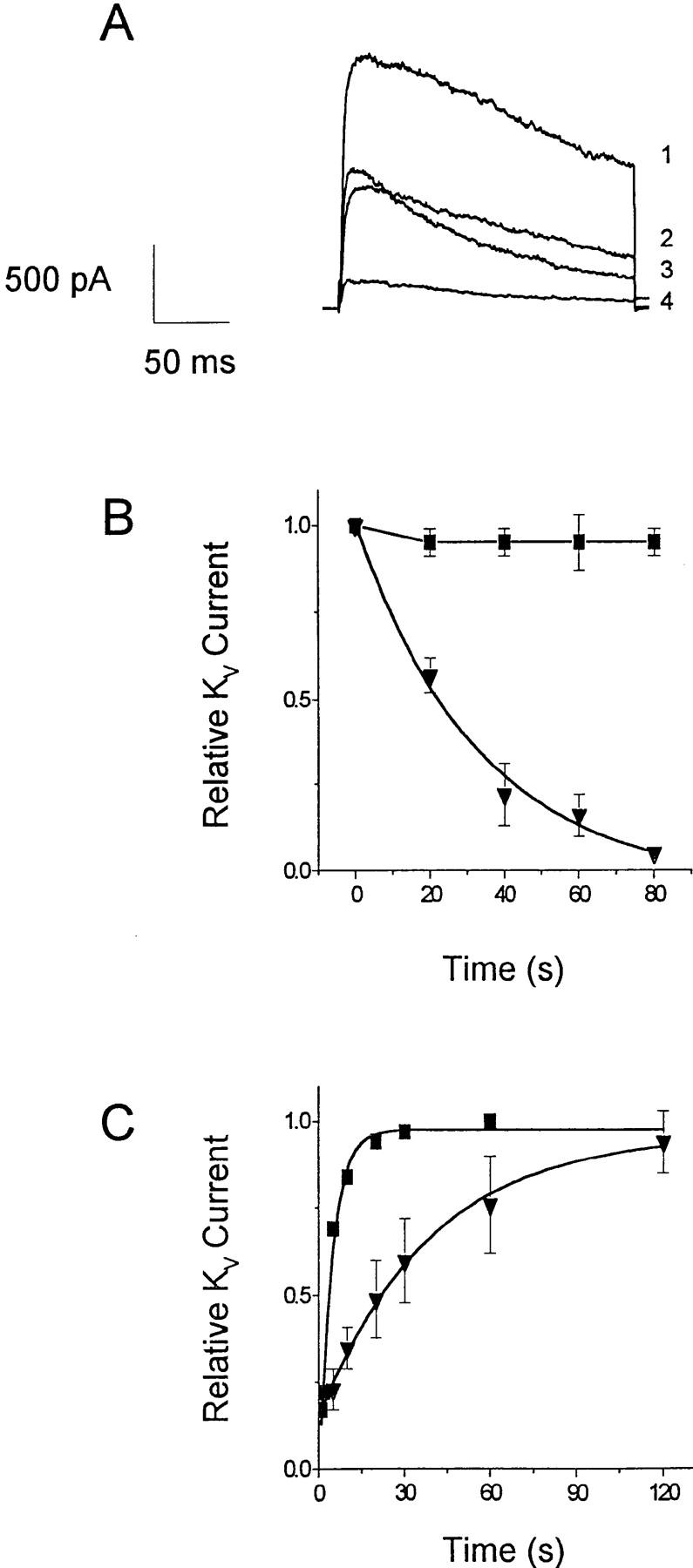
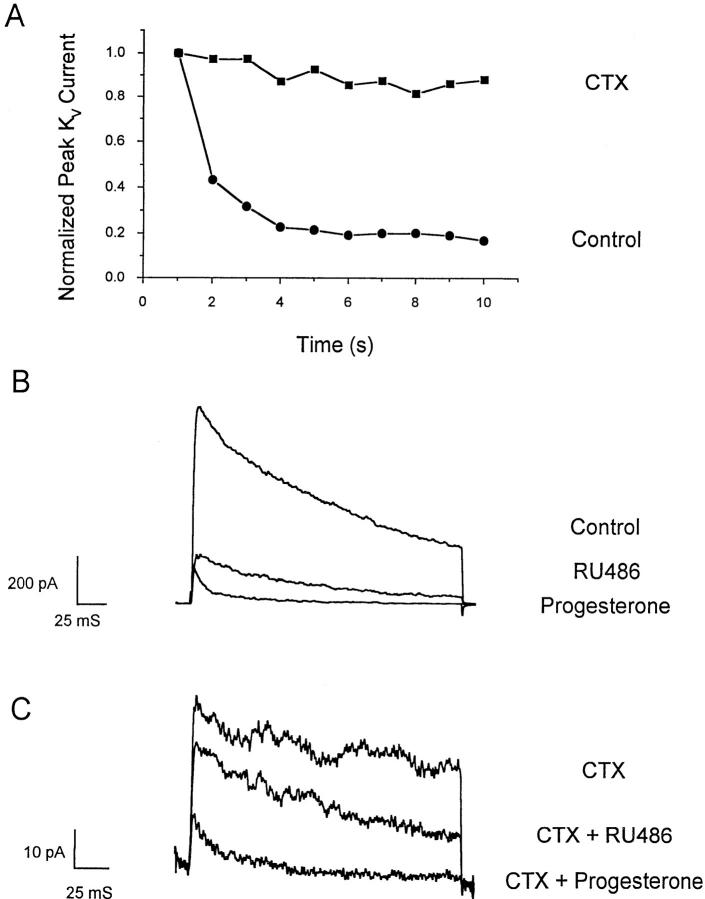
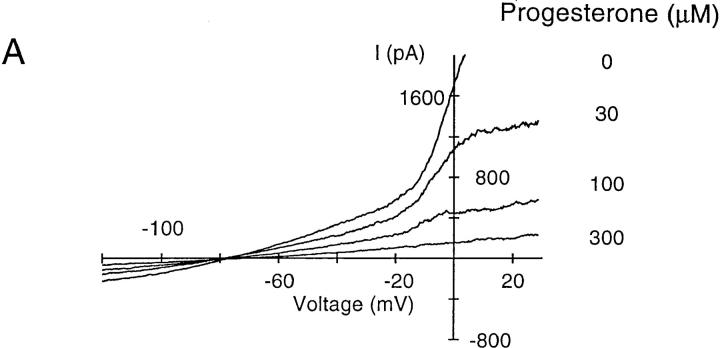
The mechanism by which progesterone causes localized suppression of the immune response during pregnancy has remained elusive. Using human T lymphocytes and T cell lines, we show that progesterone, at concentrations found in the placenta, rapidly and reversibly blocks voltage-gated and calcium-activated K+ channels (KV and KCa, respectively), resulting in depolarization of the membrane potential. As a result, Ca2+ signaling and nuclear factor of activated T cells (NF-AT)-driven gene expression are inhibited. Progesterone acts distally to the initial steps of T cell receptor (TCR)-mediated signal transduction, since it blocks sustained Ca2+ signals after thapsigargin stimulation, as well as oscillatory Ca2+ signals, but not the Ca2+ transient after TCR stimulation. K+ channel blockade by progesterone is specific; other steroid hormones had little or no effect, although the progesterone antagonist RU 486 also blocked KV and KCa channels. Progesterone effectively blocked a broad spectrum of K+ channels, reducing both Kv1.3 and charybdotoxin-resistant components of KV current and KCa current in T cells, as well as blocking several cloned KV channels expressed in cell lines. Progesterone had little or no effect on a cloned voltage-gated Na+ channel, an inward rectifier K+ channel, or on lymphocyte Ca2+ and Cl- channels. We propose that direct inhibition of K+ channels in T cells by progesterone contributes to progesterone-induced immunosuppression.
孕期孕酮导致局部免疫反应受抑制的机制一直尚不明确。利用人类T淋巴细胞和T细胞系,我们发现,胎盘内的孕酮浓度可快速且可逆地阻断电压门控钾通道和钙激活钾通道(分别为KV和KCa),导致膜电位去极化。结果,Ca2+信号传导及活化T细胞核因子(NF-AT)驱动的基因表达受到抑制。孕酮作用于T细胞受体(TCR)介导的信号转导初始步骤的下游,因为它可阻断毒胡萝卜素刺激后的持续性Ca2+信号以及振荡性Ca2+信号,但不阻断TCR刺激后的Ca2+瞬变。孕酮对钾通道的阻断具有特异性;其他甾体激素几乎没有影响,尽管孕酮拮抗剂RU 486也可阻断KV和KCa通道。孕酮可有效阻断多种钾通道,减少T细胞中KV电流和KCa电流的Kv1.3及抗蝎毒素成分,还可阻断细胞系中表达的几种克隆KV通道。孕酮对克隆的电压门控钠通道、内向整流钾通道或淋巴细胞Ca2+和Cl-通道几乎没有影响。我们认为,孕酮对T细胞中钾通道的直接抑制作用导致了孕酮诱导的免疫抑制。