Youn J, Chen J, Goenka S, Aronica M A, Mora A L, Correa V, Sheller J R, Boothby M
Department of Microbiology and Immunology, Department of Medicine, Vanderbilt University Medical School, Nashville, Tennessee 37232, USA.
J Exp Med. 1998 Nov 16;188(10):1803-16. doi: 10.1084/jem.188.10.1803.
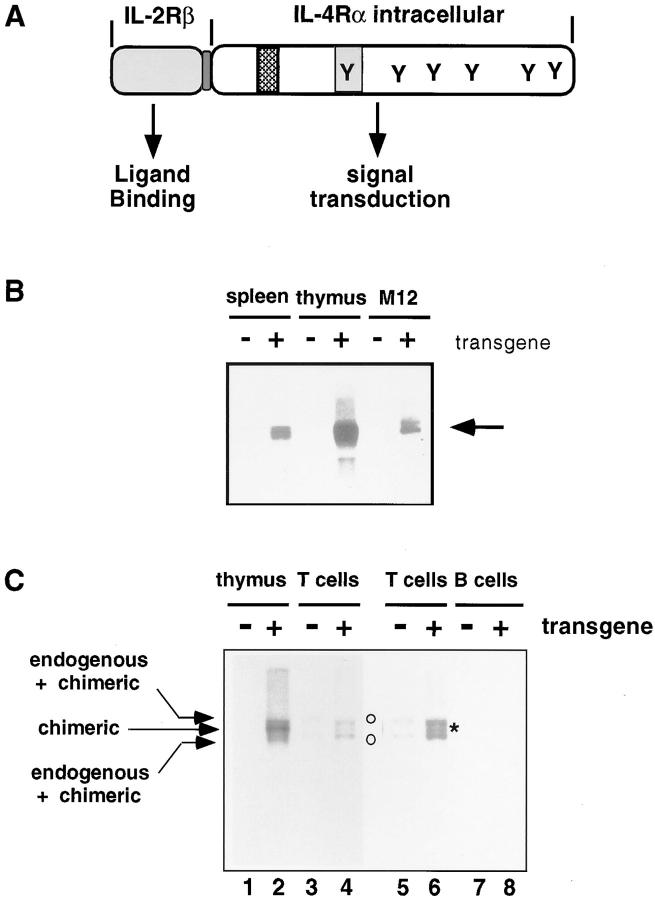
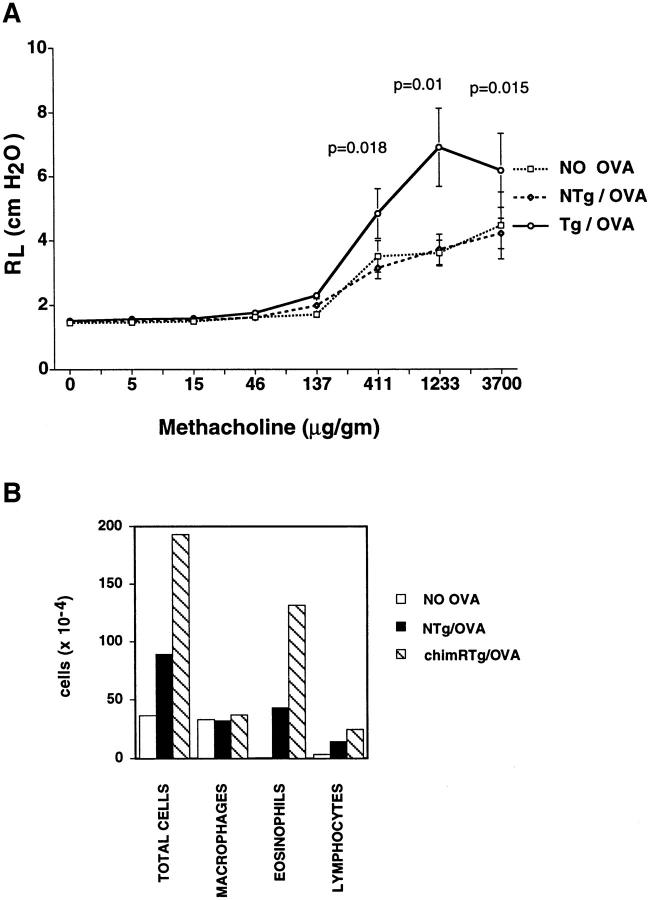
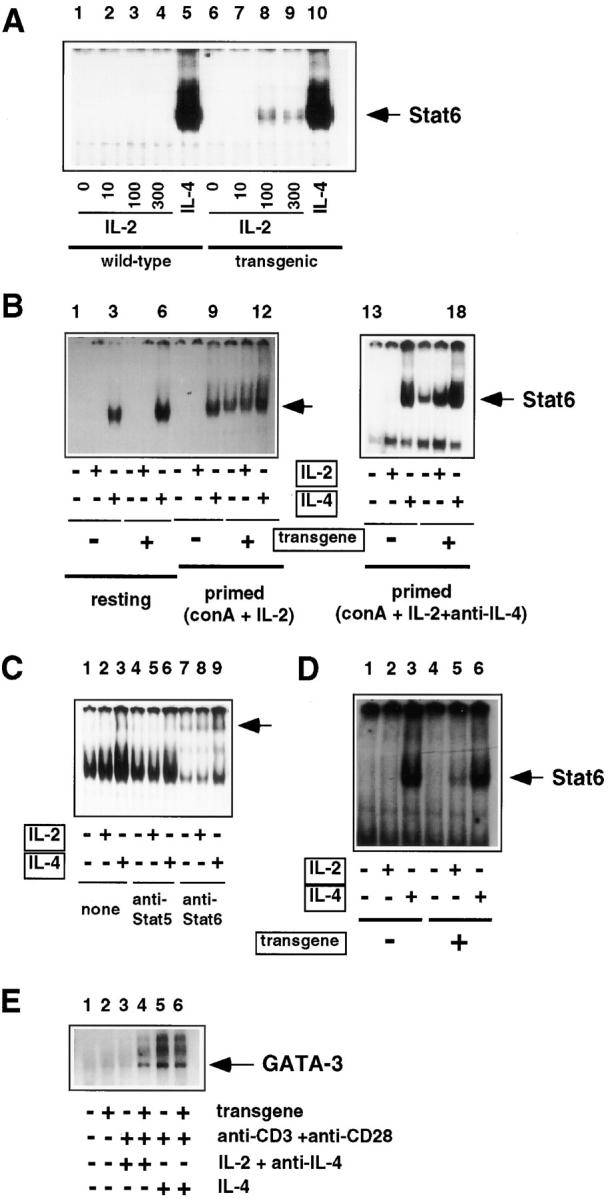
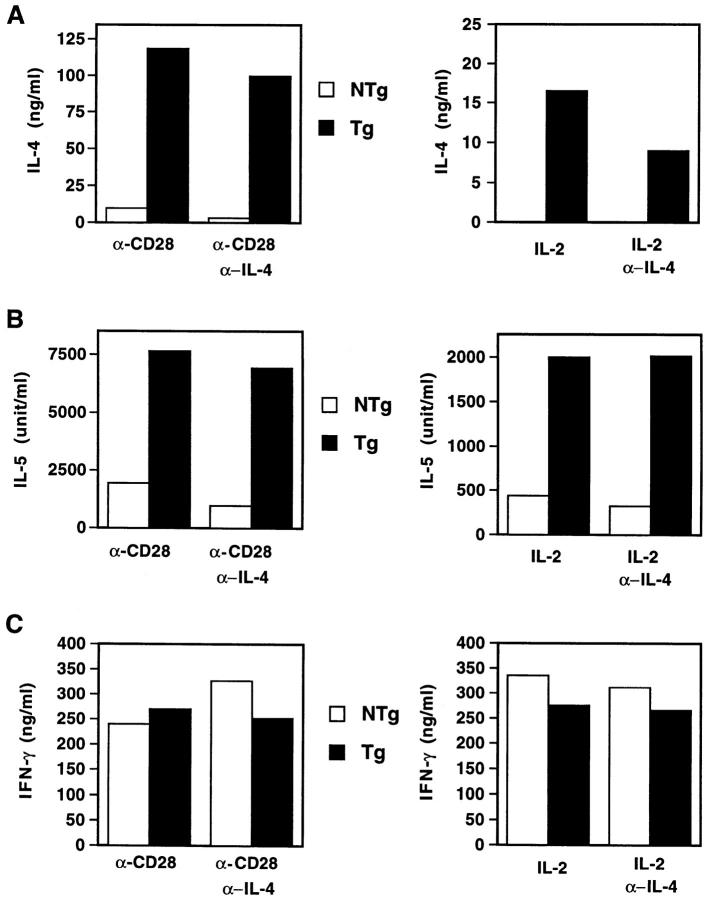
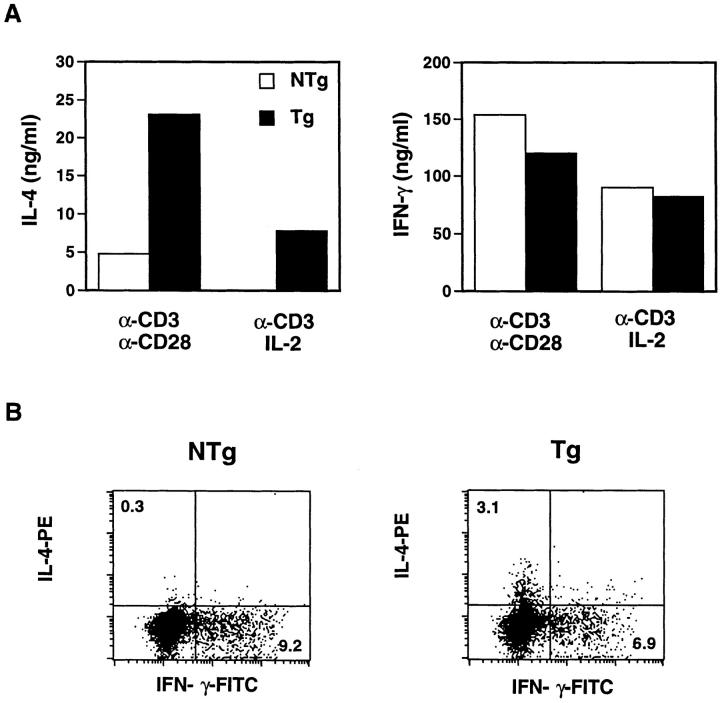
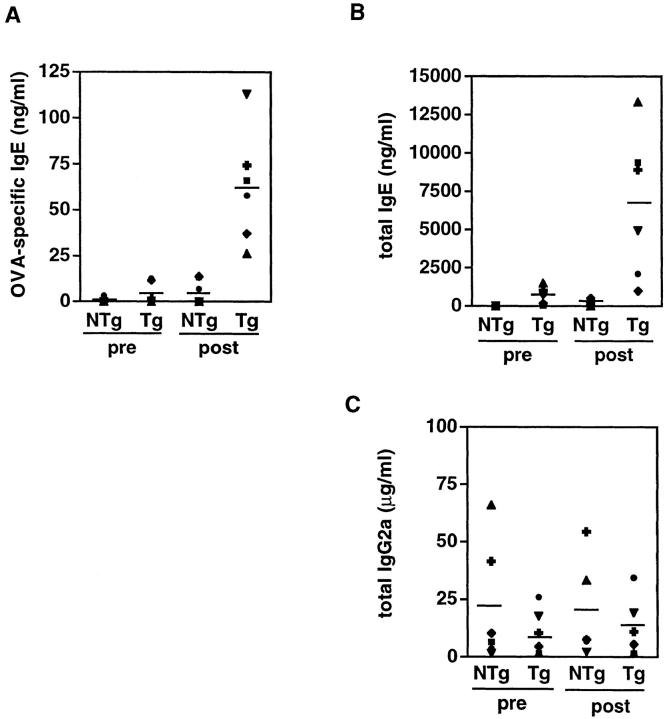
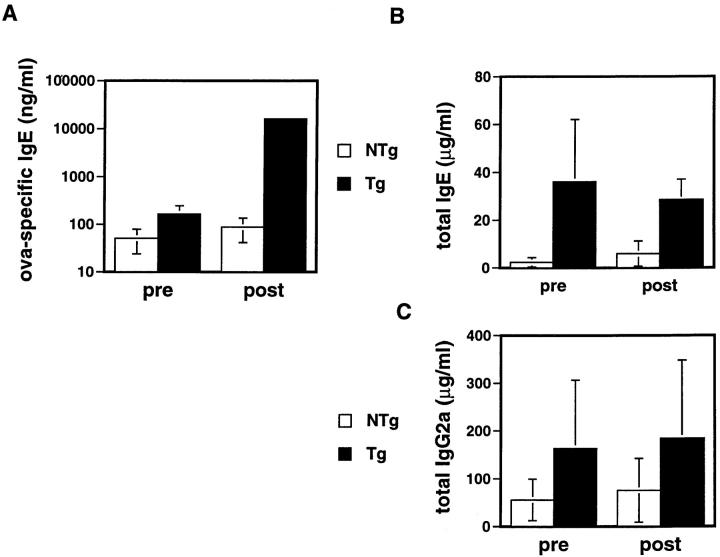
Strength of T cell receptor (TCR) signaling, coreceptors, costimulation, antigen-presenting cell type, and cytokines all play crucial roles in determining the efficiency with which type 2 T lymphocytes (Th2, Tc2) develop from uncommitted precursors. To investigate in vivo regulatory mechanisms that control the population of type 2 T cells and disease susceptibility, we have created lines of transgenic mice in which expression of a chimeric cytokine receptor (the mouse interleukin 2 receptor beta chain [IL-2Rbeta] extracellular domain fused to the cytoplasmic tail of IL-4Ralpha) is targeted to the T lymphoid lineage using the proximal lck promoter. This chimera transduced IL-4-specific signals in response to IL-2 binding and dramatically enhanced type 2 responses (IL-4, IL-5, and immunoglobulin E production) upon in vitro TCR stimulation or in vivo antigen challenge. Thus, type 2 effector function was augmented by IL-4 signals transduced through a chimeric receptor expressed in a T cell-specific manner. This influence was sufficient for establishment of antigen-induced allergic airway hyperresponsiveness on a disease-resistant background (C57BL/6).
T细胞受体(TCR)信号强度、共受体、共刺激、抗原呈递细胞类型以及细胞因子在决定2型T淋巴细胞(Th2、Tc2)从未分化前体发育的效率方面均发挥着关键作用。为了研究体内控制2型T细胞群体和疾病易感性的调节机制,我们构建了转基因小鼠品系,其中嵌合细胞因子受体(小鼠白细胞介素2受体β链[IL-2Rβ]胞外结构域与IL-4Rα胞质尾融合)的表达利用近端lck启动子靶向T淋巴细胞谱系。这种嵌合体在IL-2结合时转导IL-4特异性信号,并在体外TCR刺激或体内抗原攻击后显著增强2型反应(IL-4、IL-5和免疫球蛋白E产生)。因此,通过以T细胞特异性方式表达的嵌合受体转导的IL-4信号增强了2型效应功能。这种影响足以在抗病背景(C57BL/6)上建立抗原诱导的过敏性气道高反应性。