Shiratori M, Sakamoto S, Suzuki N, Tokutake Y, Kawabe Y, Enomoto T, Sugimoto M, Goto M, Matsumoto T, Furuichi Y
AGENE Research Institute, Kamakura, Kanagawa 247, Japan.
J Cell Biol. 1999 Jan 11;144(1):1-9. doi: 10.1083/jcb.144.1.1.
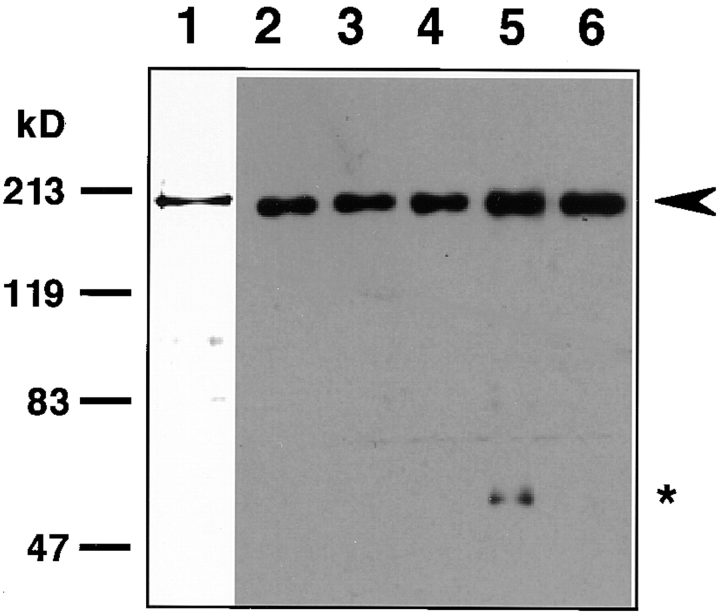
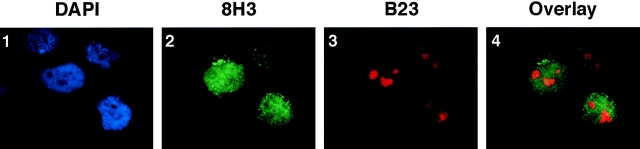
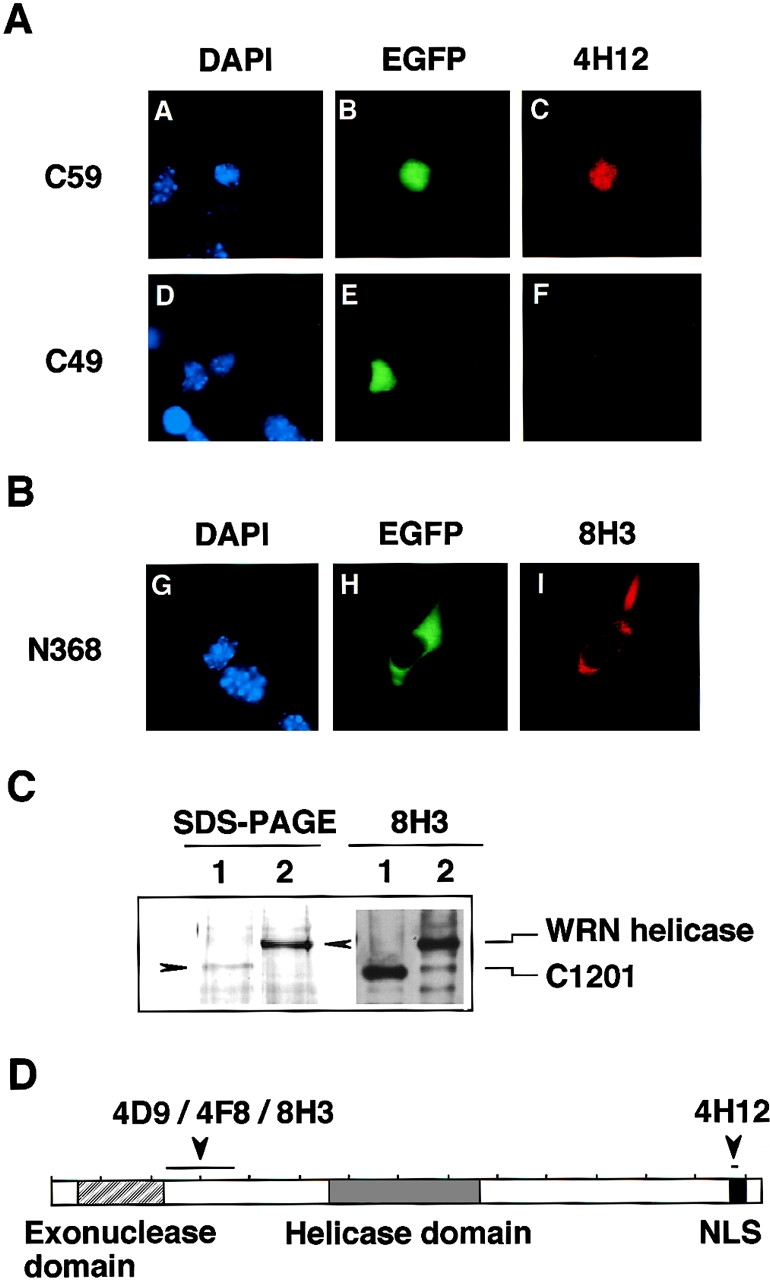
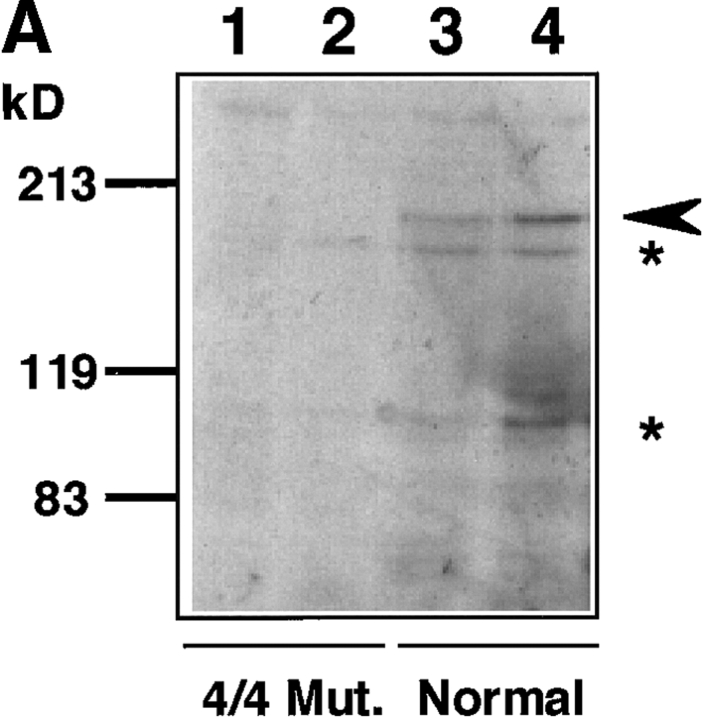
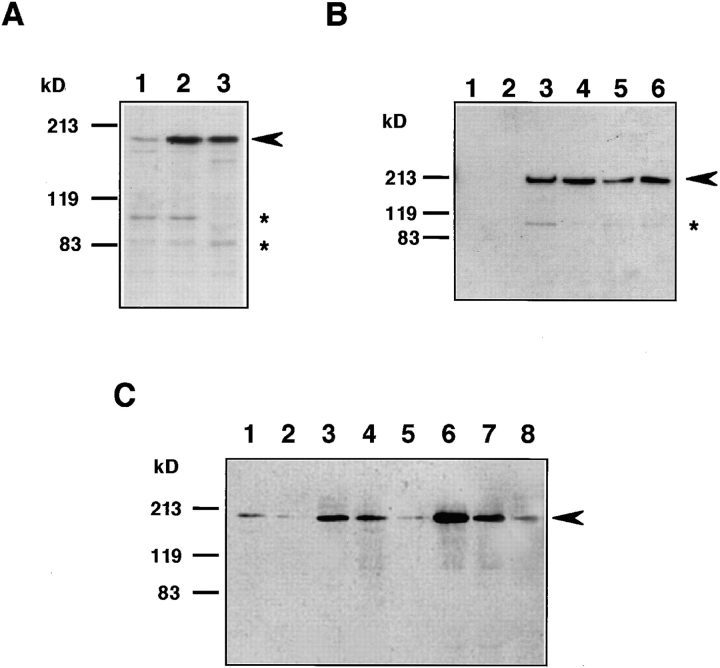
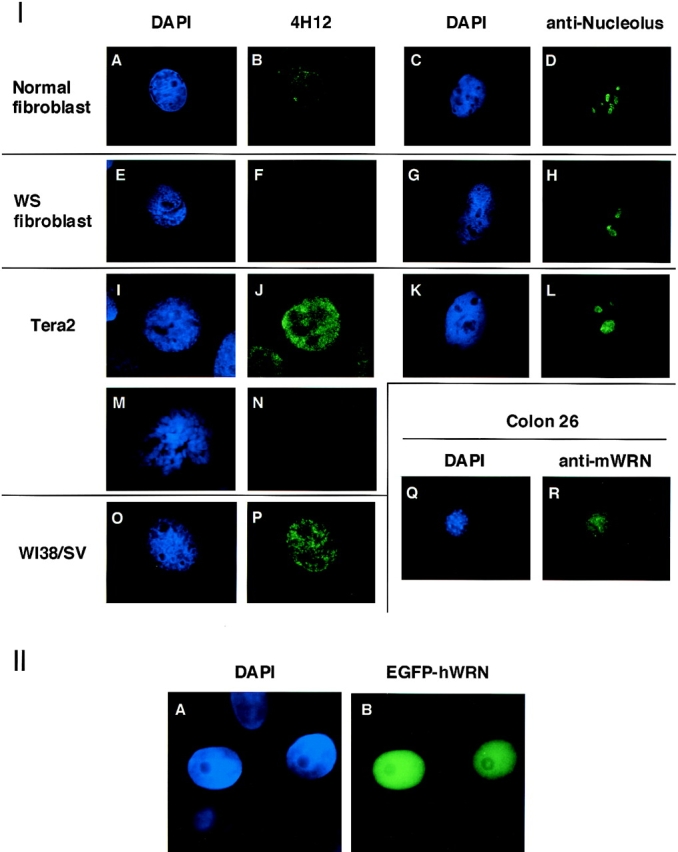
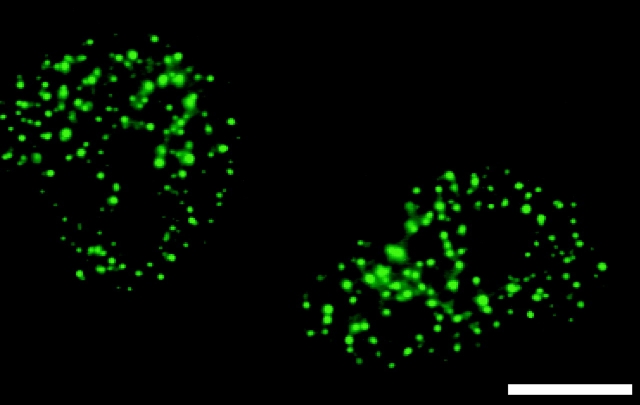
We prepared several monoclonal antibodies (mAbs) specific for the NH2- and COOH-terminal regions of the DNA helicase (WRN helicase) responsible for Werner's syndrome known as a premature aging disease. With these antibodies, we detected by immunoblot analysis the endogenous WRN helicase of a relative mass of 180 kD in several lines of cultured cells, but not in patient cells with a defined mutation. Immunocytochemical staining of proliferating fibroblasts and tumor cells showed that the major part of WRN helicase is in the nucleoplasm and not in the nucleolus. Similar experiments with a rat mAb specific to the mouse homologue of human WRN helicase yielded an identical conclusion. Although this nucleoplasmic staining was evident in cells in interphase, the condensed chromatin structure in metaphase was not stained by the same mAbs, suggesting that WRN helicases exist perhaps in a soluble form or bound to the unfolded chromatin structure. From quantitative immunoblot analysis, higher levels of WRN helicase were observed in all transformed cells and tumor cells examined than those of normal cells. The expression of WRN helicase was enhanced consistently in fibroblasts and B-lymphoblastoid cells by transformation with SV-40 and Epstein-Barr virus, respectively, suggesting that rapidly proliferating cells require a high copy numbers of WRN helicase.
我们制备了几种单克隆抗体(mAb),它们特异性针对与早老症(沃纳综合征)相关的DNA解旋酶(WRN解旋酶)的氨基末端和羧基末端区域。利用这些抗体,我们通过免疫印迹分析在几株培养细胞中检测到相对分子质量为180 kD的内源性WRN解旋酶,但在具有特定突变的患者细胞中未检测到。对增殖的成纤维细胞和肿瘤细胞进行免疫细胞化学染色显示,WRN解旋酶的主要部分位于核质中,而非核仁中。用针对人类WRN解旋酶小鼠同源物的大鼠单克隆抗体进行的类似实验得出了相同的结论。尽管这种核质染色在间期细胞中很明显,但中期浓缩的染色质结构并未被相同的单克隆抗体染色,这表明WRN解旋酶可能以可溶形式存在或与未折叠的染色质结构结合。通过定量免疫印迹分析,在所有检测的转化细胞和肿瘤细胞中观察到的WRN解旋酶水平均高于正常细胞。分别用SV - 40和爱泼斯坦 - 巴尔病毒转化成纤维细胞和B淋巴细胞样细胞后,WRN解旋酶的表达持续增强,这表明快速增殖的细胞需要高拷贝数的WRN解旋酶。