Bonikos D S, Bensch K G, Northway W H
Am J Pathol. 1976 Dec;85(3):623-50.
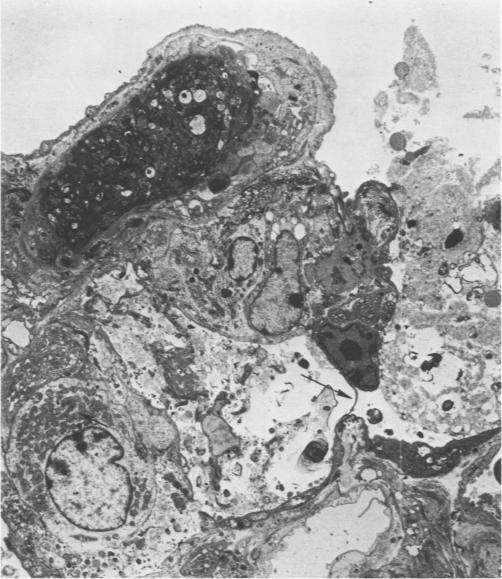
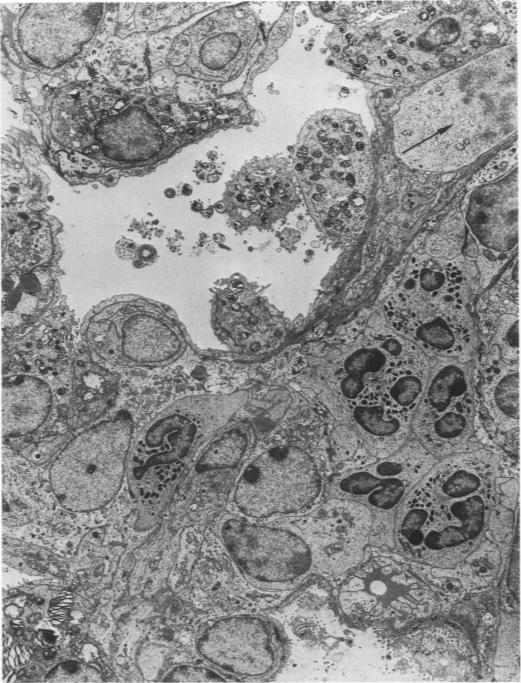
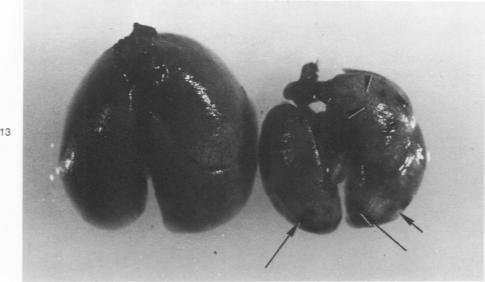
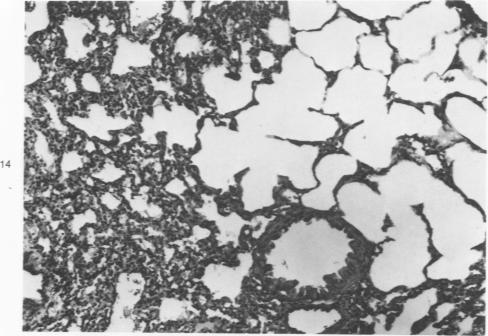
Continuous exposure of newborn mice of a single, highly inbred strain to 100% oxygen at normal atmospheric pressure for up to 6 weeks resulted in a progressive evolution of pulmonary changes which consisted of dense fibrous tissue deposition, chronic bronchitis and bronchiolitis, and emphysema. Survival of the experimental animals decreased with the duration of exposure, and it was 18% after the sixth week. While the pulmonary changes were evolving, lung growth was markedly inhibited in the experimental animals, whereas lung weight increased significantly. The present study indicates that in contrast to the adult mouse, survival of a substantial percentage of newborn mice for at least 6 weeks is possible, but it is associated with severe changes in pulmonary structure that doubtlessly lead to serious derangement of cardiopulmonary functions.
将单一高度近交系新生小鼠在正常大气压下持续暴露于100%氧气中长达6周,会导致肺部变化逐渐发展,这些变化包括致密纤维组织沉积、慢性支气管炎和细支气管炎以及肺气肿。实验动物的存活率随暴露时间的延长而降低,到第六周时为18%。在肺部变化发展的过程中,实验动物的肺生长受到明显抑制,而肺重量则显著增加。本研究表明,与成年小鼠不同,相当比例的新生小鼠有可能存活至少6周,但这与肺部结构的严重变化相关,无疑会导致心肺功能严重紊乱。