Martinou I, Desagher S, Eskes R, Antonsson B, André E, Fakan S, Martinou J C
Serono Pharmaceutical Research Institute, Ares Serono International S.A., CH-1228 Plan-les-Ouates, Geneva, Switzerland.
J Cell Biol. 1999 Mar 8;144(5):883-9. doi: 10.1083/jcb.144.5.883.
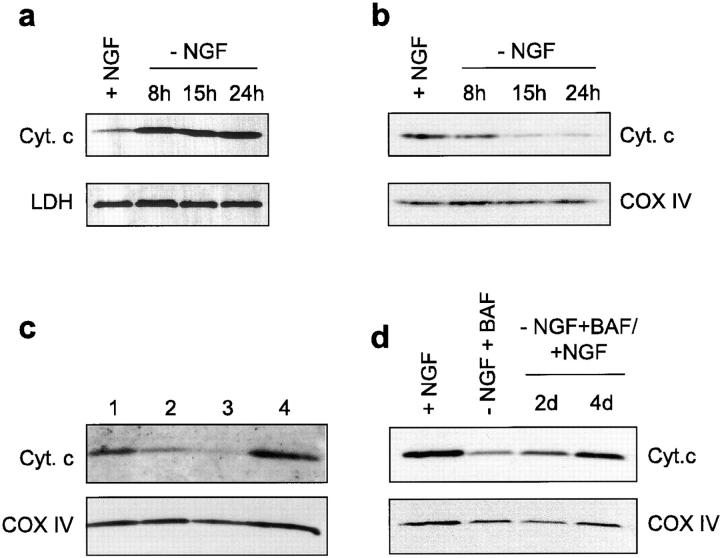
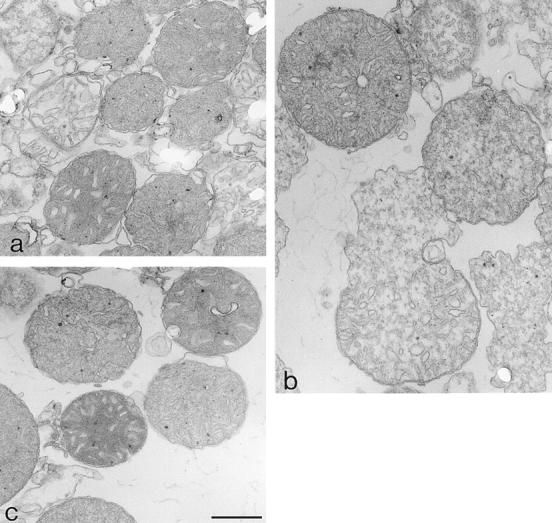
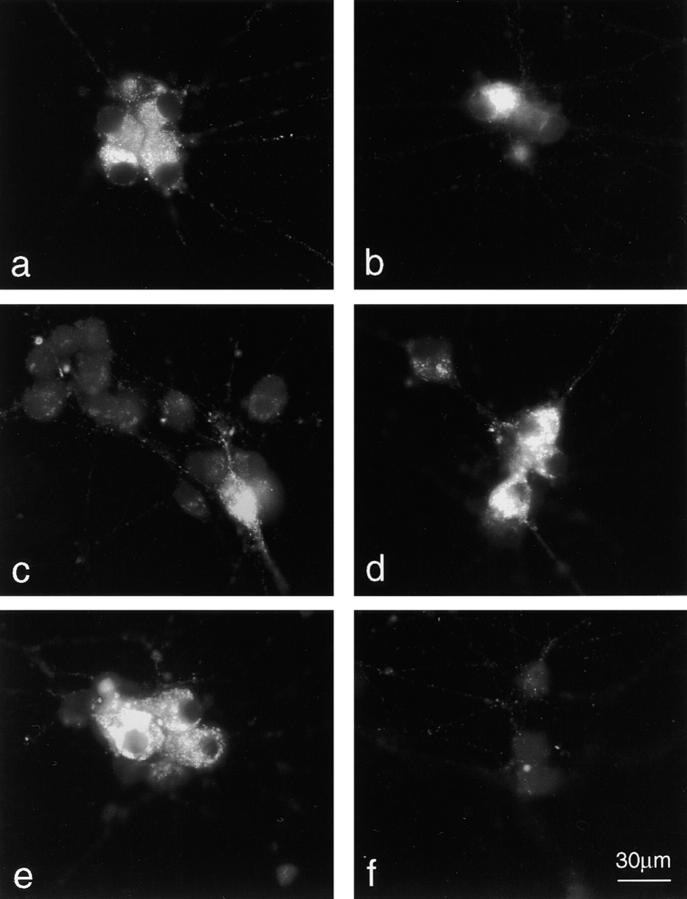
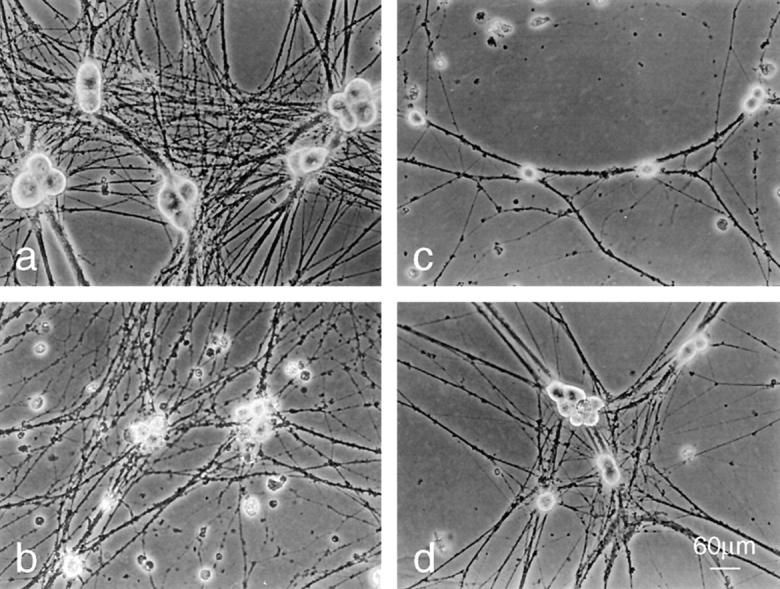
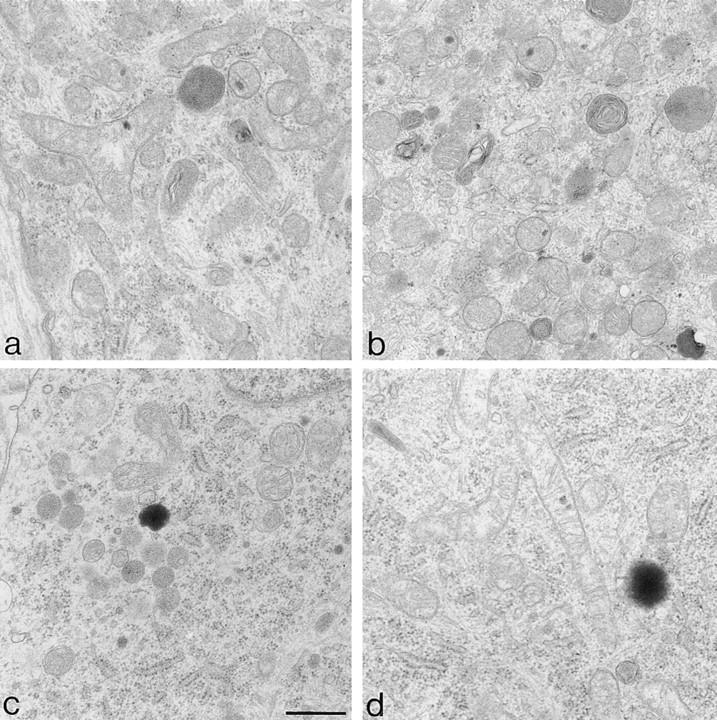
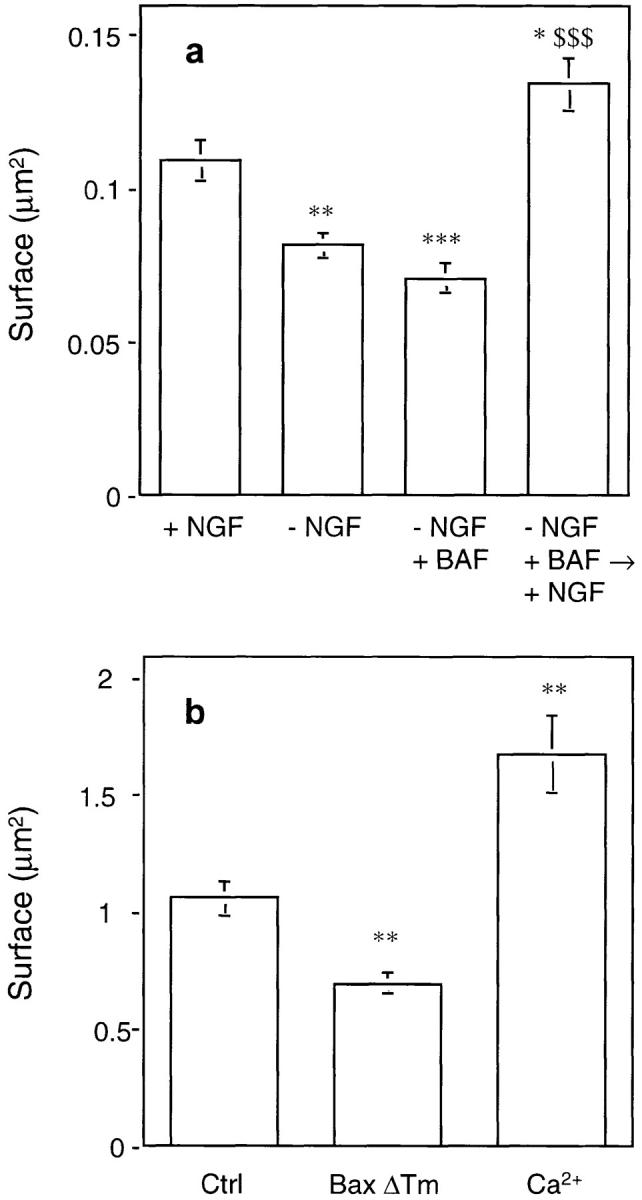
During apoptosis induced by various stimuli, cytochrome c is released from mitochondria into the cytosol where it participates in caspase activation. This process has been proposed to be an irreversible consequence of mitochondrial permeability transition pore opening, which leads to mitochondrial swelling and rupture of the outer mitochondrial membrane. Here we present data demonstrating that NGF-deprived sympathetic neurons protected from apoptosis by caspase inhibitors possess mitochondria which, though depleted of cytochrome c and reduced in size, remained structurally intact as viewed by electron microscopy. After re-exposure of neurons to NGF, mitochondria recovered their normal size and their cytochrome c content, by a process requiring de novo protein synthesis. Altogether, these data suggest that depletion of cytochrome c from mitochondria is a controlled process compatible with function recovery. The ability of sympathetic neurons to recover fully from trophic factor deprivation provided irreversible caspase inhibitors have been present during the insult period, has therapeutical implications for a number of acute neuropathologies.
在各种刺激诱导的细胞凋亡过程中,细胞色素c从线粒体释放到细胞质中,在那里它参与半胱天冬酶的激活。这一过程被认为是线粒体通透性转换孔开放的不可逆后果,导致线粒体肿胀和线粒体外膜破裂。在这里,我们展示的数据表明,用半胱天冬酶抑制剂保护免受凋亡的NGF剥夺的交感神经元所拥有的线粒体,尽管细胞色素c耗尽且尺寸减小,但通过电子显微镜观察,其结构仍保持完整。在神经元重新暴露于NGF后,线粒体通过一个需要从头合成蛋白质的过程恢复了正常大小和细胞色素c含量。总之,这些数据表明线粒体中细胞色素c的耗尽是一个与功能恢复相容的可控过程。交感神经元在损伤期间存在不可逆的半胱天冬酶抑制剂时能够从营养因子剥夺中完全恢复的能力,对许多急性神经病理学具有治疗意义。