Deshmukh M, Kuida K, Johnson E M
Department of Molecular Biology and Pharmacology, Washington University School of Medicine, St. Louis, Missouri 63110, USA.
J Cell Biol. 2000 Jul 10;150(1):131-43. doi: 10.1083/jcb.150.1.131.
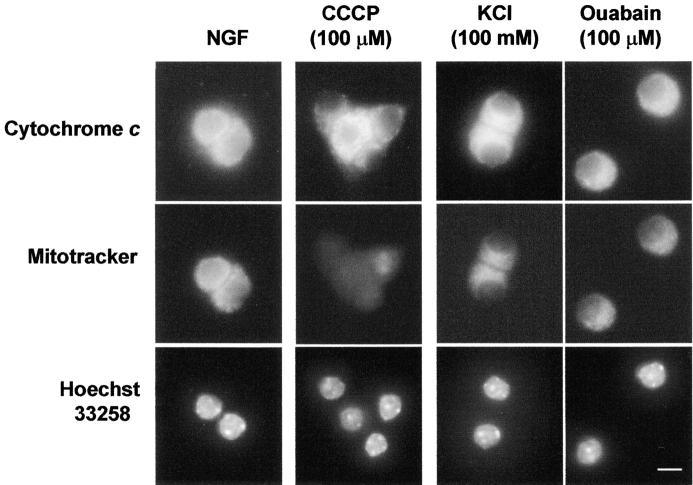
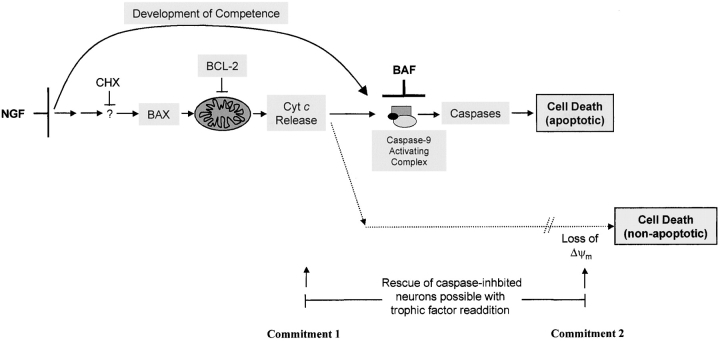
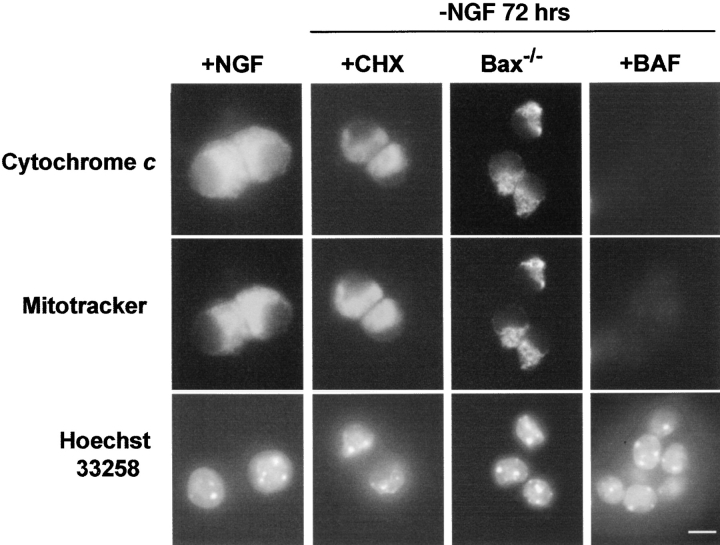
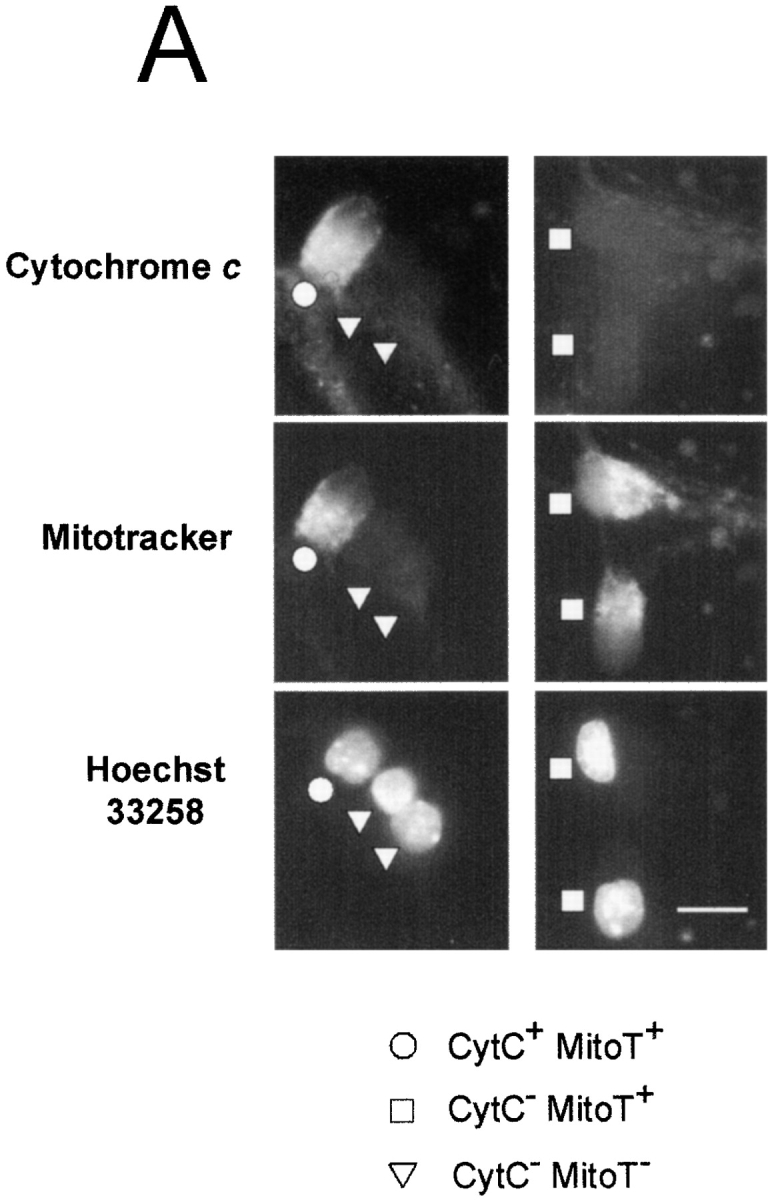
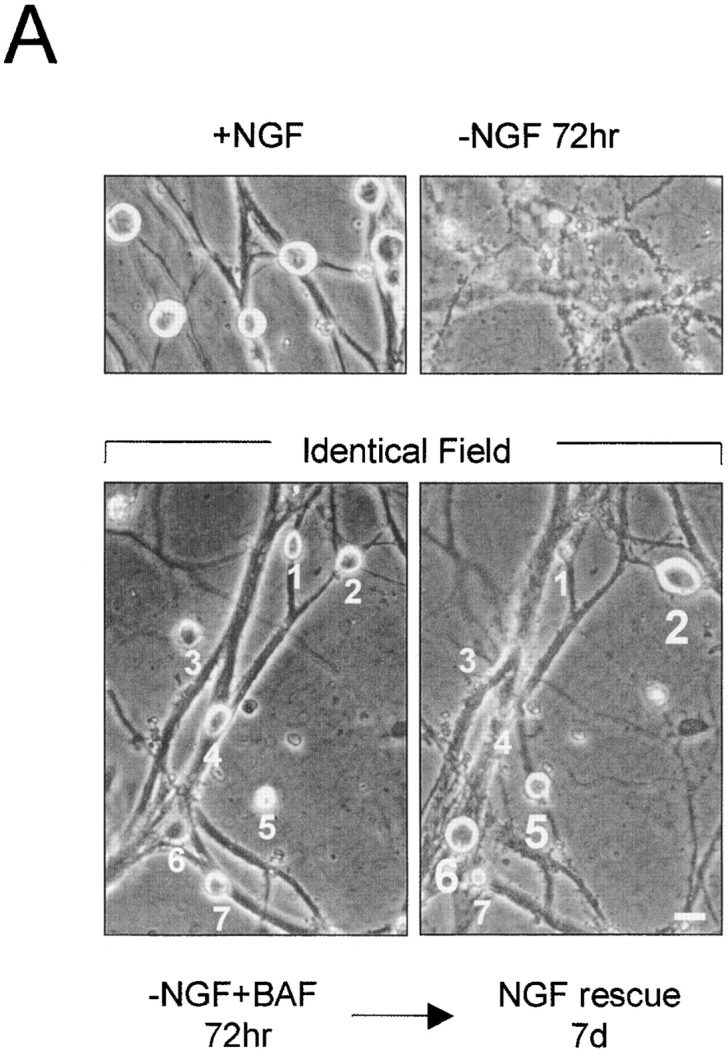
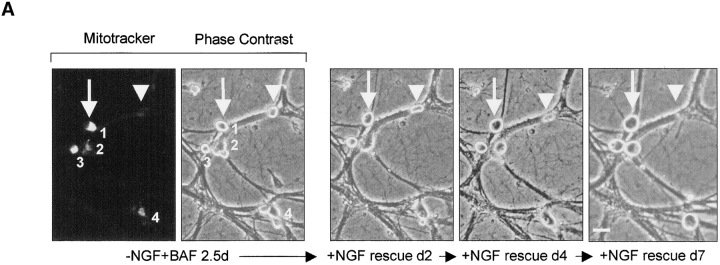
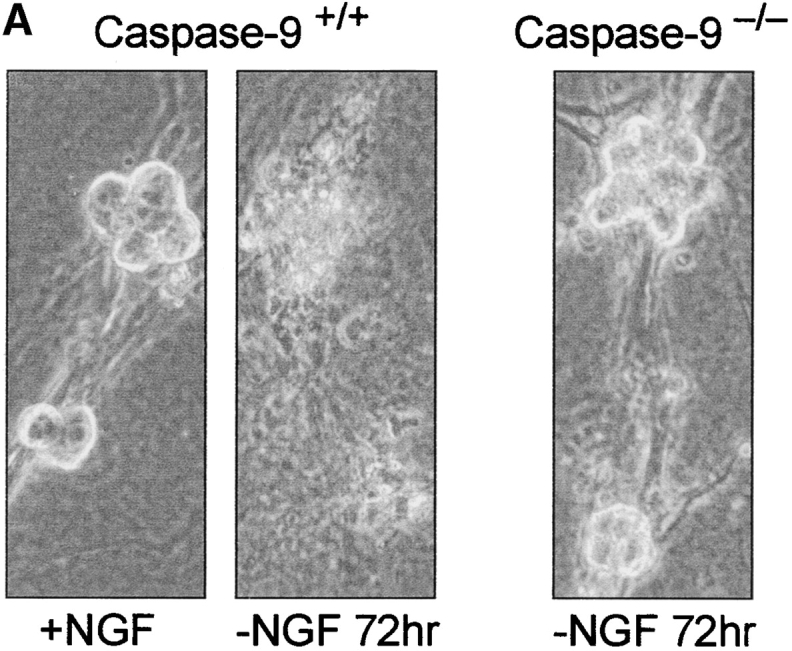
Nerve growth factor (NGF) deprivation induces a Bax-dependent, caspase-dependent programmed cell death in sympathetic neurons. We examined whether the release of cytochrome c was accompanied by the loss of mitochondrial membrane potential during sympathetic neuronal death. NGF- deprived, caspase inhibitor-treated mouse sympathetic neurons maintained mitochondrial membrane potential for 25-30 h after releasing cytochrome c. NGF- deprived sympathetic neurons became committed to die, as measured by the inability of cells to be rescued by NGF readdition, at the time of cytochrome c release. In the presence of caspase inhibitor, however, this commitment to death was extended beyond the point of cytochrome c release, but only up to the subsequent point of mitochondrial membrane potential loss. Caspase-9 deficiency also arrested NGF-deprived sympathetic neurons after release of cytochrome c, and permitted these neurons to be rescued with NGF readdition. Commitment to death in the NGF-deprived, caspase- 9-deficient sympathetic neurons was also coincident with the loss of mitochondrial membrane potential. Thus, caspase inhibition extended commitment to death in trophic factor-deprived sympathetic neurons and allowed recovery of neurons arrested after the loss of cytochrome c, but not beyond the subsequent loss of mitochondrial membrane potential.
神经生长因子(NGF)剥夺可诱导交感神经元发生依赖于Bax和半胱天冬酶的程序性细胞死亡。我们研究了在交感神经元死亡过程中,细胞色素c的释放是否伴随着线粒体膜电位的丧失。在释放细胞色素c后,用半胱天冬酶抑制剂处理的NGF剥夺小鼠交感神经元维持线粒体膜电位25 - 30小时。通过在细胞色素c释放时重新添加NGF无法挽救细胞来衡量,NGF剥夺的交感神经元在此时已注定死亡。然而,在存在半胱天冬酶抑制剂的情况下,这种死亡的注定被延长到细胞色素c释放点之后,但仅到随后线粒体膜电位丧失的点。半胱天冬酶-9缺陷也在细胞色素c释放后使NGF剥夺的交感神经元停滞,并允许这些神经元通过重新添加NGF而被挽救。在NGF剥夺、半胱天冬酶-9缺陷的交感神经元中,死亡的注定也与线粒体膜电位的丧失同时发生。因此,半胱天冬酶抑制延长了营养因子剥夺的交感神经元对死亡的注定,并允许在细胞色素c丧失后停滞的神经元恢复,但不会超过随后线粒体膜电位的丧失。