Slifkin R T, Ricketts T C, Howard H A
Cecil G. Sheps Center for Health Services Research, University of North Carolina, Chapel Hill 27599, USA.
Health Care Financ Rev. 1996 Summer;17(4):143-56.
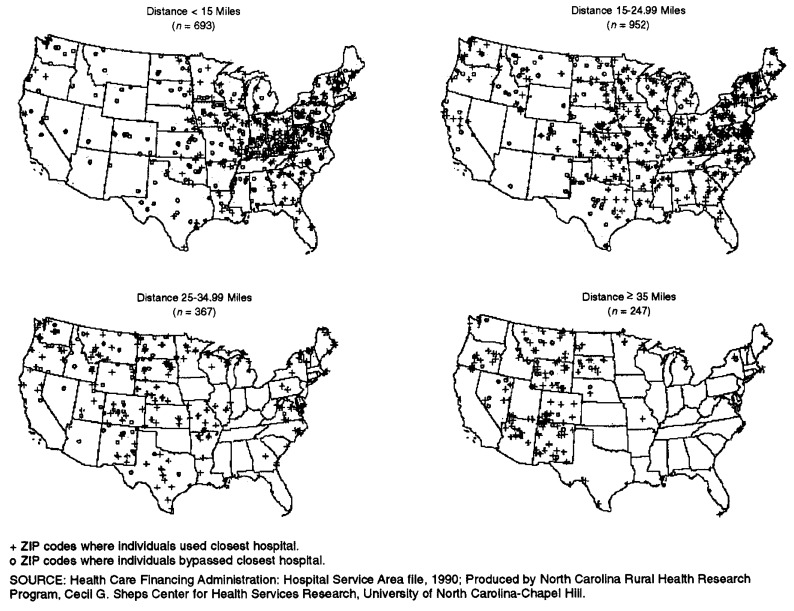
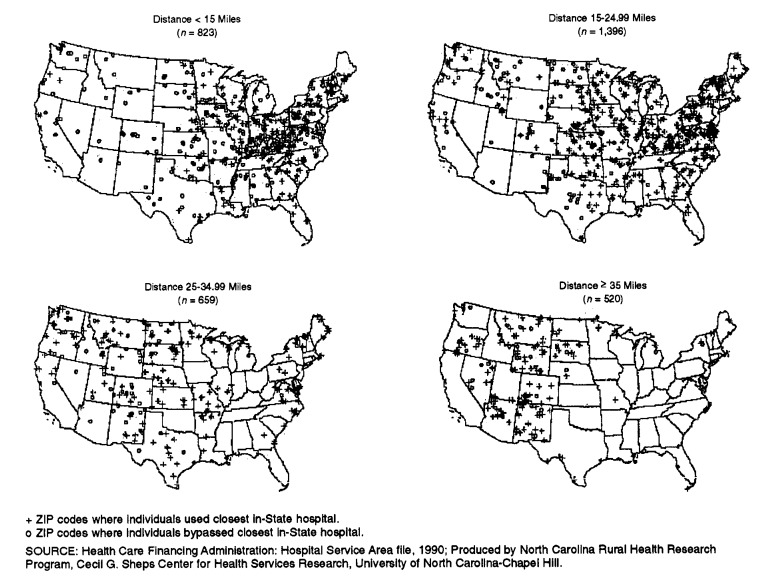
This article assesses the extent to which managed competition could be successful in rural areas. Using 1990 Medicare hospital patient origin data, over 8 million rural residents were found to live in areas potentially without provider choice. Almost all of these areas were served by providers who compete for other segments of their market. Restricting use of out-of-State providers would severely limit opportunities for choice. These findings suggest that most residents of rural States would receive cost benefits from a managed competition system if purchasing alliances are carefully defined, but consideration should be given to boundary issues when forming alliances.
本文评估了管理竞争在农村地区取得成功的程度。利用1990年医疗保险医院患者来源数据,发现超过800万农村居民生活在可能没有医疗服务提供者选择的地区。几乎所有这些地区都由在其市场其他细分领域展开竞争的医疗服务提供者提供服务。限制使用州外医疗服务提供者将严重限制选择机会。这些发现表明,如果仔细界定采购联盟,农村州的大多数居民将从管理竞争系统中获得成本效益,但在组建联盟时应考虑边界问题。