Shea D, Stuart B, Vasey J, Nag S
Department of Health Policy and Administration, College of Health and Human Development, Pennsylvania State University, University Park 16802, USA.
Health Serv Res. 1999 Apr;34(1 Pt 2):331-48.
To study patterns of referral between primary and specialty care providers among Medicare beneficiaries and to identify correlates of the probability of referral.
The 1992 and 1993 Medicare Current Beneficiary Survey (MCBS), including associated claims data. MCBS data are linked to the Area Resource File (ARF) and the Physician Identification Master Record (PIMR).
This is a retrospective design using cross-sectional descriptive and multivariate correlational analysis. Estimates are made for two years. Key variables include two alternative definitions of referrals, patient socio-demographic and health status, physician characteristics, and county-level descriptors.
The MCBS is a panel survey of a stratified random sample of Medicare beneficiaries begun in 1991. The data are linked to Medicare claims records for survey respondents. The ARF is a health resources data set that contains more than 7,000 variables at the county level, including information on health facilities, health professions, services resources and utilization, and socioeconomic and environmental characteristics. The PIMR is a record of all physicians in the United States and describes their professional characteristics.
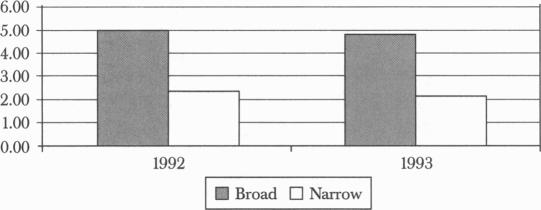
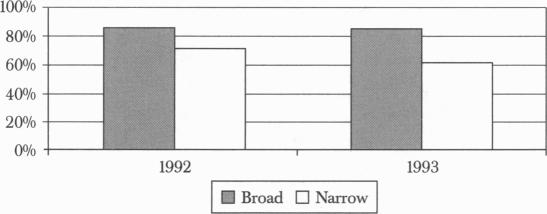
The overall rate of physician referrals in the MCBS, approximately 10 percent, is higher than that found in prior research, as is the level of self-referral to specialists at about 70 percent. Depending on the dependent variable definition, between 60 and 85 percent of all Medicare beneficiaries had at least one referral, and the average number of referrals per person per year was greater than two. Referrals show a multi-directional pattern rather than a simple pattern of primary to specialty care, with referrals between primary care physicians, referrals between specialists, and referrals from specialty to primary care being not uncommon. Strong predictors of referral include patient health and patient insurance coverage and income. Physician factors do not contribute much to explaining referrals.
Medicare referral patterns are similar to those found in other studies. Patient factors appear to be a more important factor in explaining referrals than was estimated from prior research. Additional research is needed to explain the more complex dynamics of referral patterns.
研究医疗保险受益人中初级保健提供者与专科保健提供者之间的转诊模式,并确定转诊可能性的相关因素。
1992年和1993年医疗保险当前受益人调查(MCBS),包括相关的索赔数据。MCBS数据与地区资源文件(ARF)和医师识别主记录(PIMR)相关联。
这是一项采用横断面描述性和多变量相关性分析的回顾性设计。对两年的数据进行了估计。关键变量包括转诊的两种替代定义、患者的社会人口统计学和健康状况、医师特征以及县级描述指标。
MCBS是对1991年开始的医疗保险受益人的分层随机样本进行的小组调查。这些数据与调查对象的医疗保险索赔记录相关联。ARF是一个健康资源数据集,在县级包含7000多个变量,包括有关卫生设施、卫生专业、服务资源和利用以及社会经济和环境特征的信息。PIMR是美国所有医师的记录,并描述了他们的专业特征。
MCBS中医生转诊的总体比率约为10%,高于先前研究中的比率,自我转诊至专科医生的比率约为70%也是如此。根据因变量定义,60%至85%的医疗保险受益人至少有一次转诊,每人每年的平均转诊次数超过两次。转诊呈现出多向模式,而非简单的从初级保健到专科保健的模式,初级保健医生之间的转诊、专科医生之间的转诊以及从专科到初级保健的转诊都并不罕见。转诊的有力预测因素包括患者健康状况、患者保险覆盖范围和收入。医师因素对解释转诊的作用不大。
医疗保险转诊模式与其他研究中的模式相似。在解释转诊方面,患者因素似乎比先前研究所估计的更为重要。需要进行更多研究来解释转诊模式更为复杂的动态情况。