Nelson R W, Gumbiner B M
Cellular Biochemistry and Biophysics Program, Memorial Sloan-Kettering Cancer Center, New York, New York 10021, USA.
J Cell Biol. 1999 Oct 18;147(2):367-74. doi: 10.1083/jcb.147.2.367.
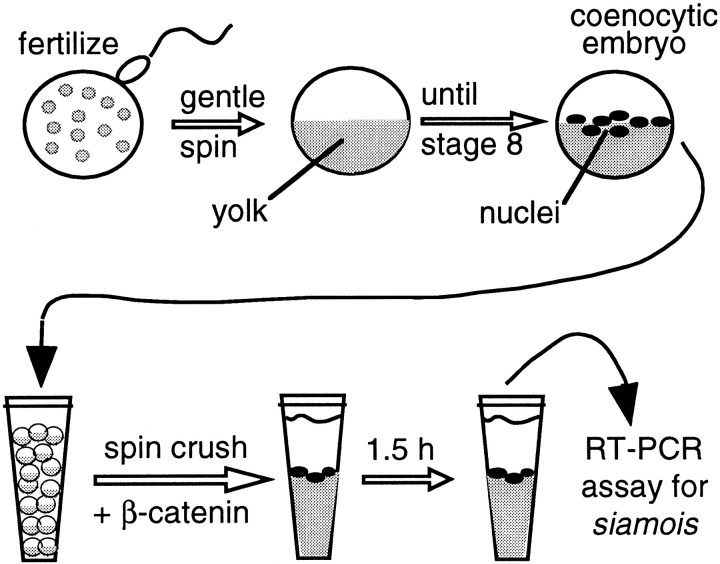
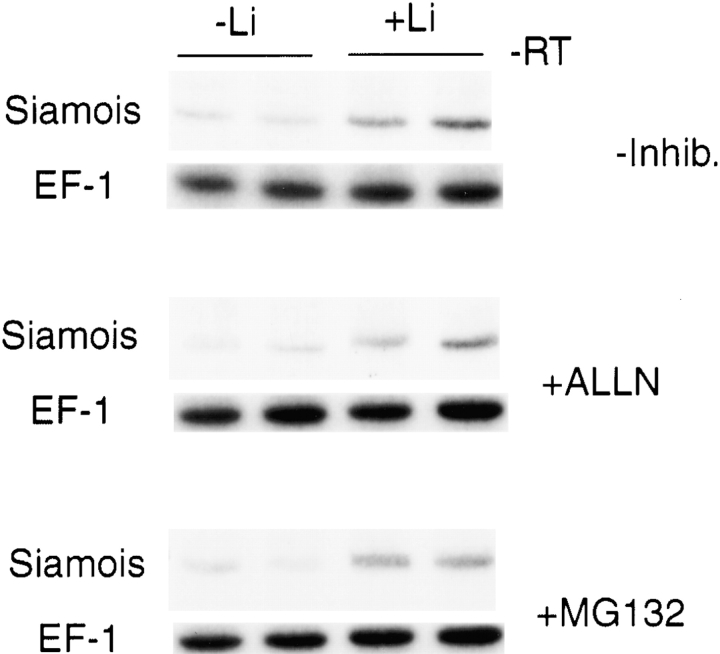
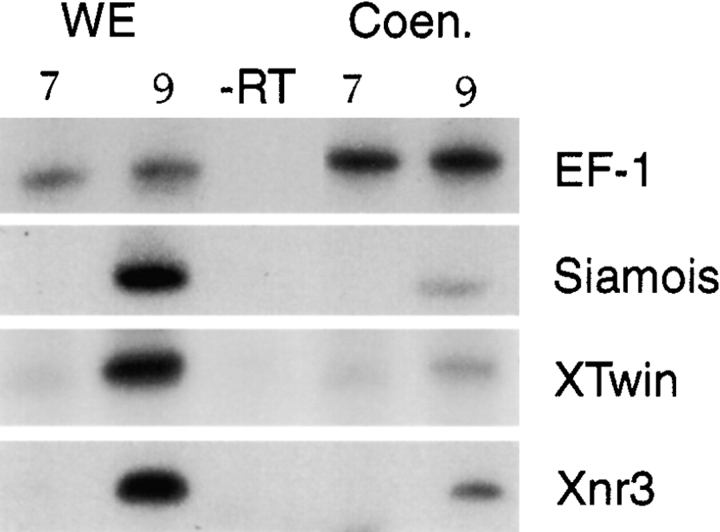
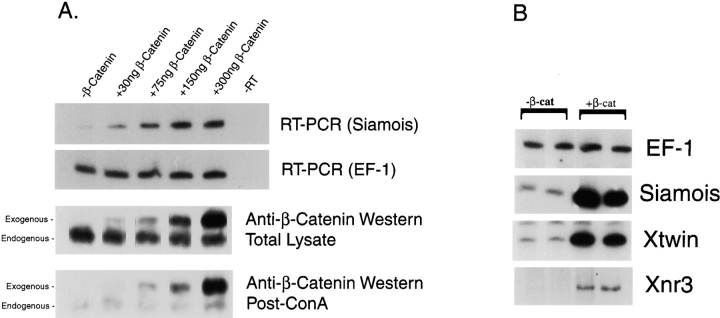
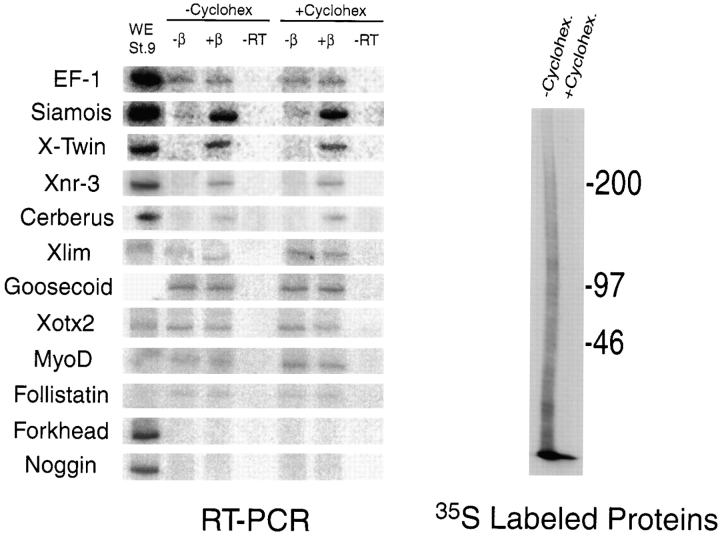
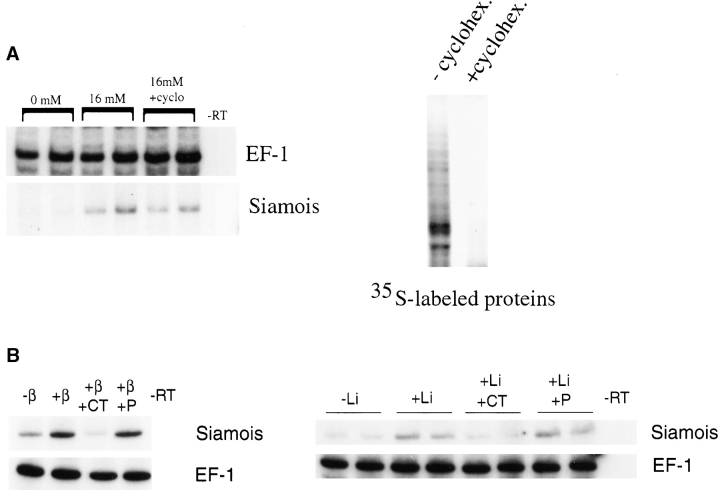
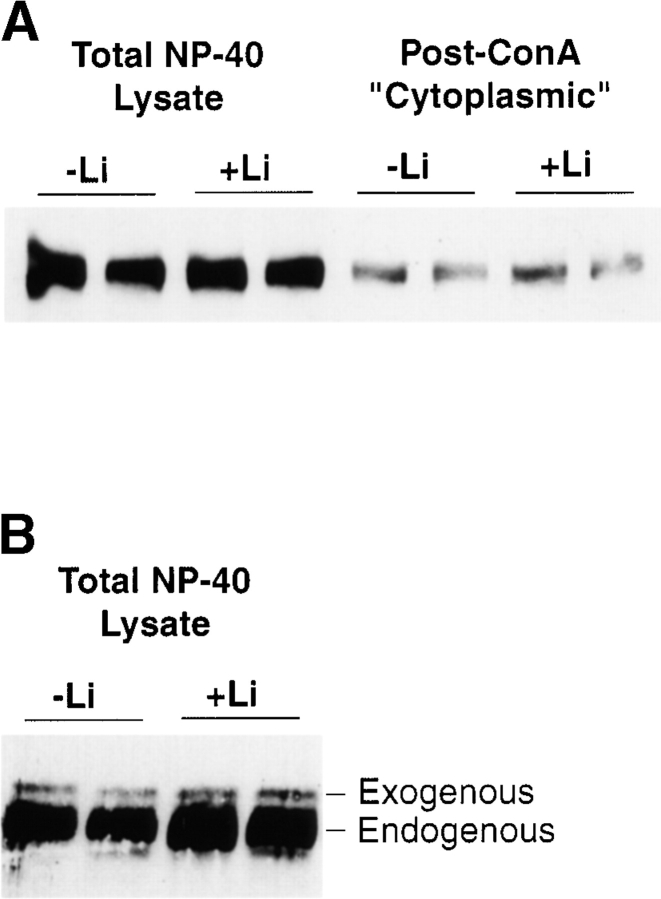
In vertebrate embryos, signaling via the beta-catenin protein is known to play an essential role in the induction of the dorsal axis. In its signaling capacity, beta-catenin acts directly to affect target gene transcription, in concert with transcription factors of the TCF/LEF family. We have developed a cell-free in vitro assay for beta-catenin signaling activity that utilizes transcriptionally active nuclei and cytoplasm from cleavage-blocked Xenopus laevis embryos. Under these assay conditions, we demonstrate that either addition of beta-catenin protein or upstream activation of the beta-catenin signaling pathway can induce the expression of developmentally relevant target genes. Addition of exogenous beta-catenin protein induced expression of Siamois, XTwin, Xnr3, and Cerberus mRNAs in a protein synthesis independent manner, whereas a panel of other Spemann organizer-specific genes did not respond to beta-catenin. Lithium induction of the beta-catenin signaling pathway, which is thought to cause beta-catenin accumulation by inhibiting its proteasome-dependent degradation, caused increased expression of Siamois in a protein synthesis independent fashion. This result suggests that beta-catenin derived from a preexisting pool can be activated to signal, and that accumulation of this activated form does not require ongoing synthesis. Furthermore, activation of the signaling pathway with lithium did not detectably alter cytoplasmic beta-catenin levels and was insensitive to inhibition of the proteasome- dependent degradation pathway. Taken together, these results suggest that activation of beta-catenin signaling by lithium in this system may occur through a distinct activation mechanism that does not require modulation of levels through regulation of proteasomal degradation.
在脊椎动物胚胎中,已知通过β-连环蛋白进行的信号传导在背轴诱导中起关键作用。在其信号传导能力方面,β-连环蛋白与TCF/LEF家族的转录因子协同作用,直接影响靶基因转录。我们开发了一种用于β-连环蛋白信号活性的无细胞体外测定法,该方法利用来自卵裂阻滞的非洲爪蟾胚胎的转录活性细胞核和细胞质。在这些测定条件下,我们证明添加β-连环蛋白或β-连环蛋白信号通路的上游激活均可诱导发育相关靶基因的表达。添加外源性β-连环蛋白以不依赖蛋白质合成的方式诱导了暹罗蛋白、XTwin、Xnr3和Cerberus mRNA的表达,而一组其他施佩曼组织者特异性基因对β-连环蛋白没有反应。锂对β-连环蛋白信号通路的诱导作用(被认为通过抑制其蛋白酶体依赖性降解导致β-连环蛋白积累)以不依赖蛋白质合成的方式导致暹罗蛋白表达增加。这一结果表明,源自现有库的β-连环蛋白可以被激活以发出信号,并且这种激活形式的积累不需要持续合成。此外,用锂激活信号通路并未显著改变细胞质β-连环蛋白水平,并且对蛋白酶体依赖性降解途径的抑制不敏感。综上所述,这些结果表明,在该系统中锂对β-连环蛋白信号的激活可能通过一种独特的激活机制发生,该机制不需要通过蛋白酶体降解的调节来调节水平。