Mah A L, Perry G, Smith M A, Monteiro M J
Medical Biotechnology Center, Department of Neurology, University of Maryland Biotechnology Institute, Baltimore, Maryland 21201, USA.
J Cell Biol. 2000 Nov 13;151(4):847-62. doi: 10.1083/jcb.151.4.847.
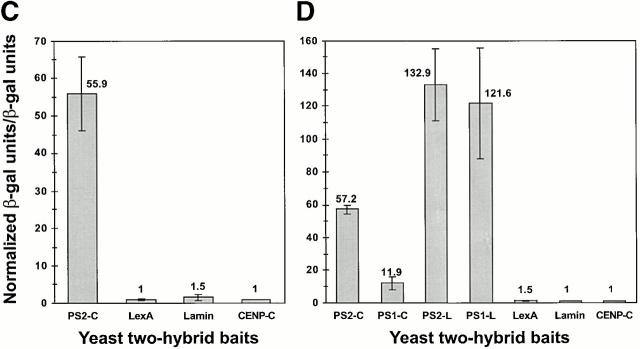
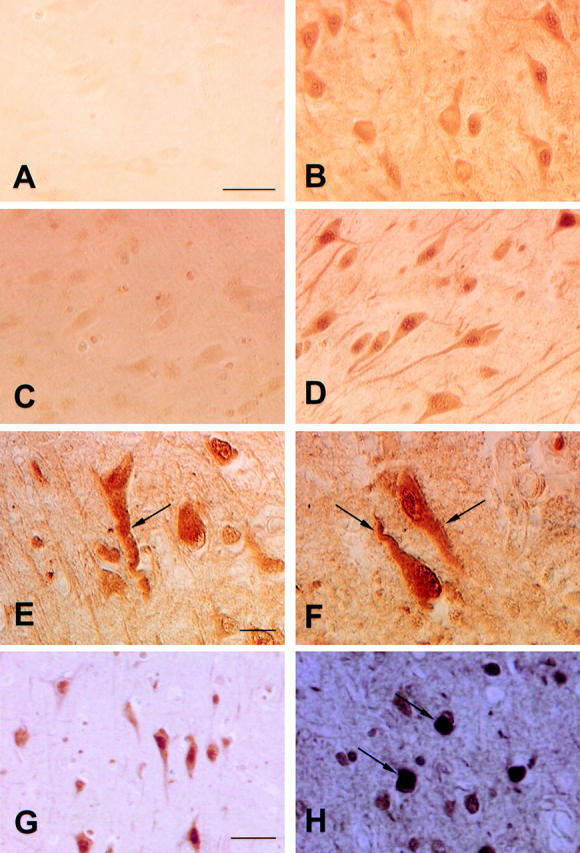
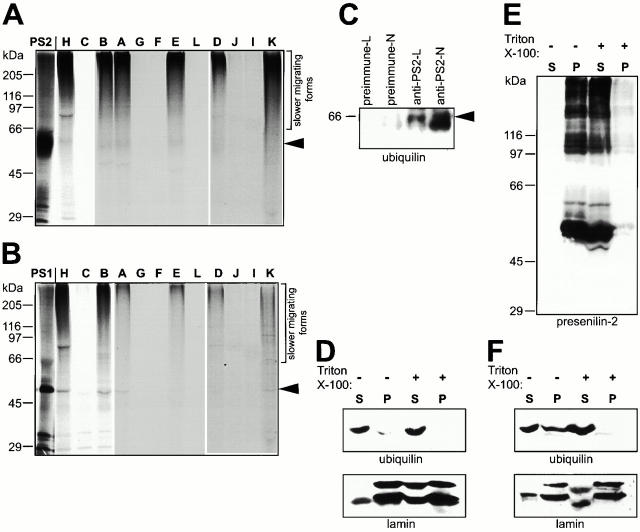
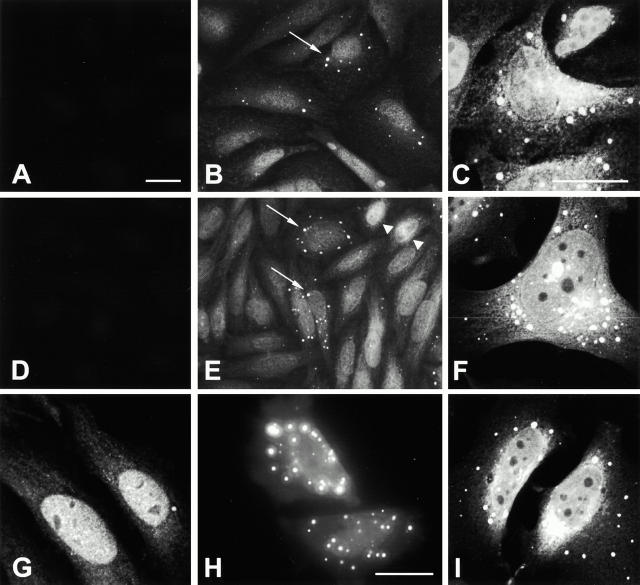
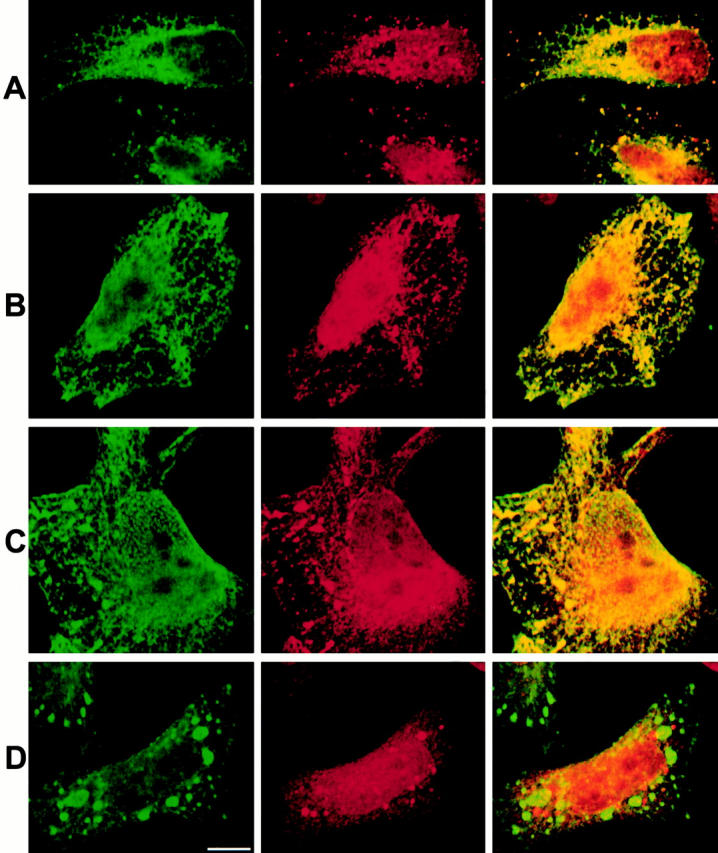
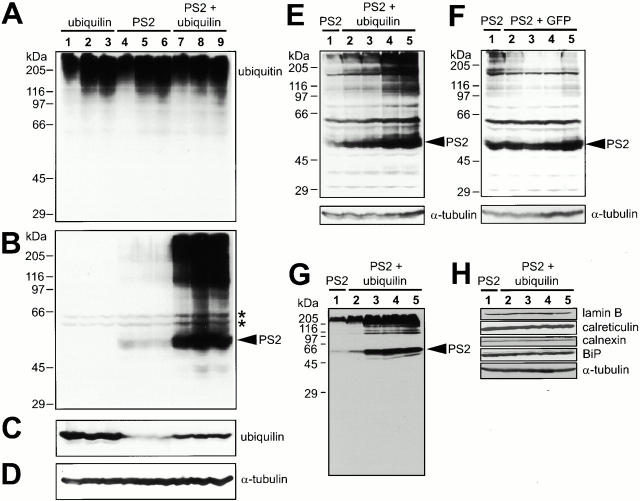
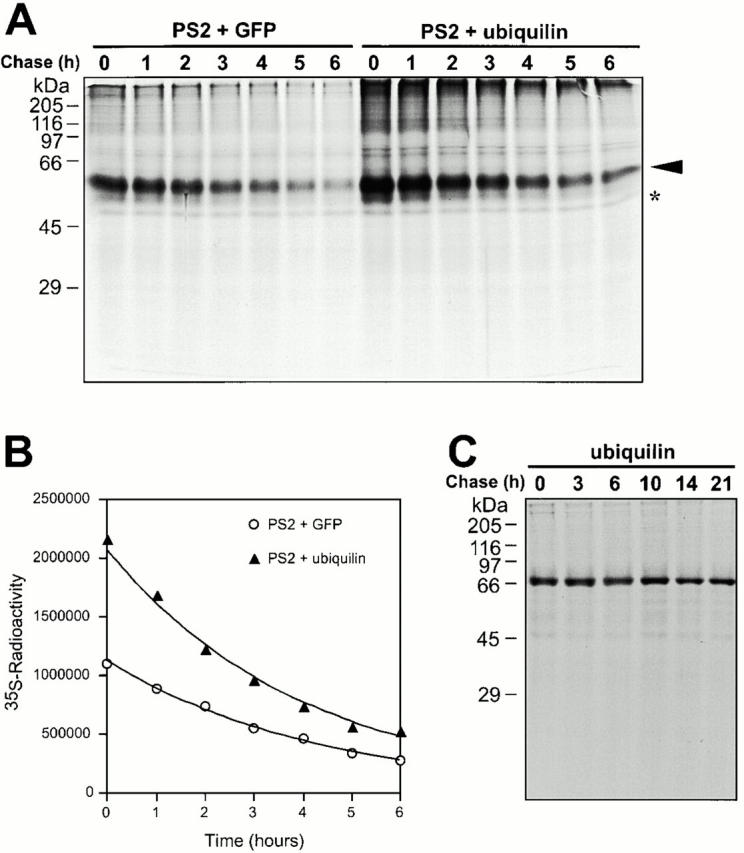
Mutations in the highly homologous presenilin genes encoding presenilin-1 and presenilin-2 (PS1 and PS2) are linked to early-onset Alzheimer's disease (AD). However, apart from a role in early development, neither the normal function of the presenilins nor the mechanisms by which mutant proteins cause AD are well understood. We describe here the properties of a novel human interactor of the presenilins named ubiquilin. Yeast two-hybrid (Y2H) interaction, glutathione S-transferase pull-down experiments, and colocalization of the proteins expressed in vivo, together with coimmunoprecipitation and cell fractionation studies, provide compelling evidence that ubiquilin interacts with both PS1 and PS2. Ubiquilin is noteworthy since it contains multiple ubiquitin-related domains typically thought to be involved in targeting proteins for degradation. However, we show that ubiquilin promotes presenilin protein accumulation. Pulse-labeling experiments indicate that ubiquilin facilitates increased presenilin synthesis without substantially changing presenilin protein half-life. Immunohistochemistry of human brain tissue with ubiquilin-specific antibodies revealed prominent staining of neurons. Moreover, the anti-ubiquilin antibodies robustly stained neurofibrillary tangles and Lewy bodies in AD and Parkinson's disease affected brains, respectively. Our results indicate that ubiquilin may be an important modulator of presenilin protein accumulation and that ubiquilin protein is associated with neuropathological neurofibrillary tangles and Lewy body inclusions in diseased brain.
编码早老素-1和早老素-2(PS1和PS2)的高度同源的早老素基因突变与早发性阿尔茨海默病(AD)相关。然而,除了在早期发育中的作用外,早老素的正常功能以及突变蛋白导致AD的机制都尚未完全了解。我们在此描述了一种名为泛素连接蛋白的早老素新型人类相互作用蛋白的特性。酵母双杂交(Y2H)相互作用、谷胱甘肽S-转移酶下拉实验、体内表达蛋白的共定位,以及免疫共沉淀和细胞分级分离研究,共同提供了令人信服的证据,表明泛素连接蛋白与PS1和PS2都相互作用。泛素连接蛋白值得注意,因为它包含多个通常被认为参与靶向蛋白质降解的泛素相关结构域。然而,我们表明泛素连接蛋白促进早老素蛋白的积累。脉冲标记实验表明,泛素连接蛋白促进早老素合成增加,而基本上不改变早老素蛋白的半衰期。用人脑组织的泛素连接蛋白特异性抗体进行免疫组织化学显示神经元有明显染色。此外,抗泛素连接蛋白抗体分别在AD和帕金森病受累大脑中强烈染色神经原纤维缠结和路易小体。我们的结果表明,泛素连接蛋白可能是早老素蛋白积累的重要调节因子,并且泛素连接蛋白与患病大脑中的神经病理神经原纤维缠结和路易小体包涵体相关。