Lee M H, Lu K, Patel S B
Medical University of South Carolina, Charleston, South Carolina 29405, USA.
Curr Opin Lipidol. 2001 Apr;12(2):141-9. doi: 10.1097/00041433-200104000-00007.
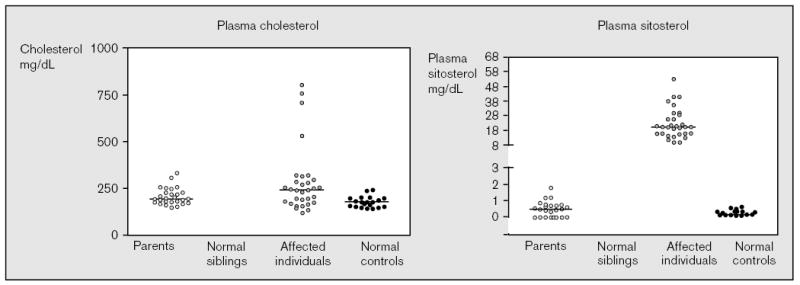
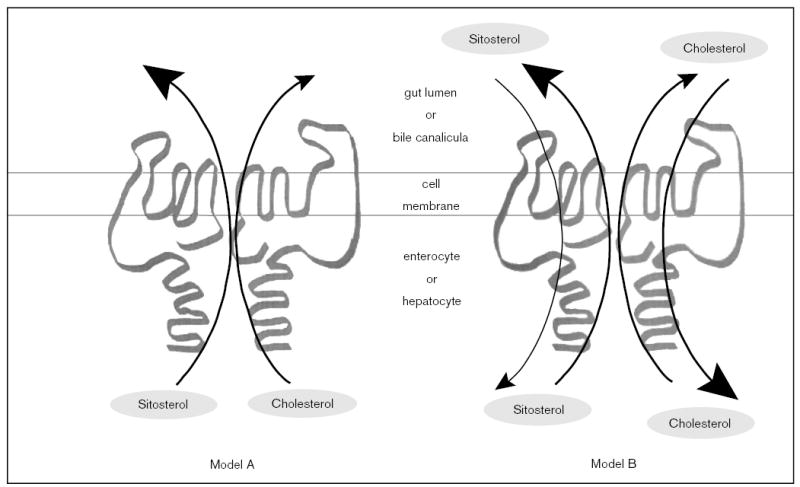
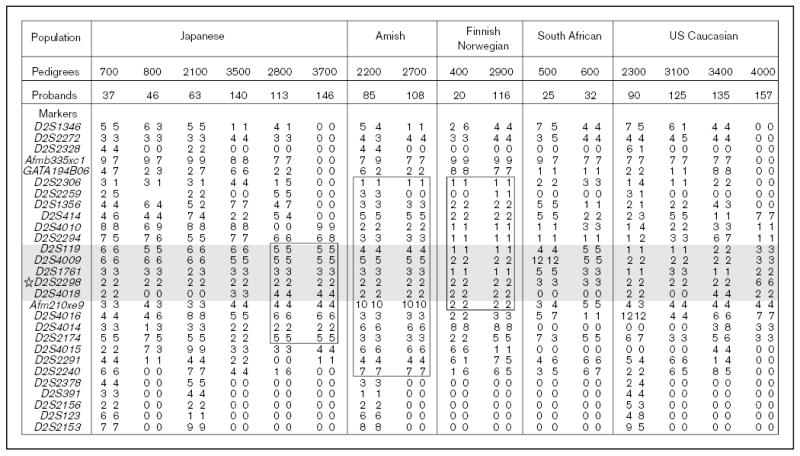
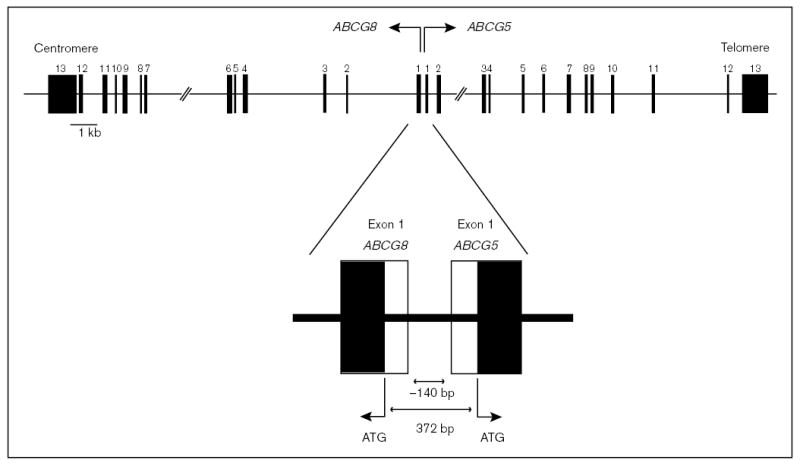
The molecular mechanisms regulating the amount of dietary cholesterol retained by the body, as well as the body's ability to exclude other dietary sterols selectively, are poorly understood. An average Western diet will contain approximately 250-500 mg of dietary cholesterol and approximately 200-400 mg of non-cholesterol sterols, of which plant sterols are the major constituents. Approximately 50-60% of dietary cholesterol is absorbed and retained by the normal human body, but less than 1% of the non-cholesterol sterols are retained. There thus exists a subtle mechanism that allows the body to distinguish between cholesterol and non-cholesterol sterols. In sitosterolemia, a rare autosomal recessive disorder, affected individuals hyperabsorb and retain not only cholesterol but also all other sterols, including plant and shellfish sterols from the intestine. Consequently, patients with this disease have very high levels of plant sterols in the plasma, and develop tendon and tuberous xanthomas, accelerated atherosclerosis, and premature coronary artery disease. The STSL locus has been mapped to human chromosome 2p21. Mutations in two tandem ABC genes, ABCG5 and ABCG8, encoding sterolin-1 and -2, respectively, are now known to be mutant in sitosterolemia. The identification of these genes should now lead to a better understanding of the molecular mechanism(s) governing the highly selective absorption and retention of cholesterol by the body. Indeed, it is the very existence of this disease that has given credence to the hypothesis that there is a molecular pathway that regulates dietary cholesterol absorption and sterol excretion by the body.
目前,人们对调节人体留存膳食胆固醇量的分子机制以及人体选择性排除其他膳食固醇的能力了解甚少。典型的西方饮食中大约含有250 - 500毫克膳食胆固醇和约200 - 400毫克非胆固醇固醇,其中植物固醇是主要成分。正常人体会吸收并留存约50 - 60%的膳食胆固醇,但留存的非胆固醇固醇不到1%。因此,人体存在一种微妙的机制来区分胆固醇和非胆固醇固醇。在谷甾醇血症(一种罕见的常染色体隐性疾病)中,患者不仅会过度吸收并留存胆固醇,还会从肠道吸收并留存所有其他固醇,包括植物固醇和贝类固醇。因此,该病患者血浆中的植物固醇水平非常高,并会出现肌腱和结节性黄瘤、动脉粥样硬化加速以及早发性冠状动脉疾病。STSL基因座已被定位到人类染色体2p21。现已发现,分别编码固醇转运蛋白1和2的两个串联ABC基因ABCG5和ABCG8的突变是谷甾醇血症的致病突变。这些基因的鉴定现在应该能让人们更好地理解人体对胆固醇进行高度选择性吸收和留存的分子机制。事实上,正是这种疾病的存在,使得“存在一种调节人体膳食胆固醇吸收和固醇排泄的分子途径”这一假说变得可信。