Harkiss G D, Brown D L, Evans D B
Clin Exp Immunol. 1979 Aug;37(2):228-38.
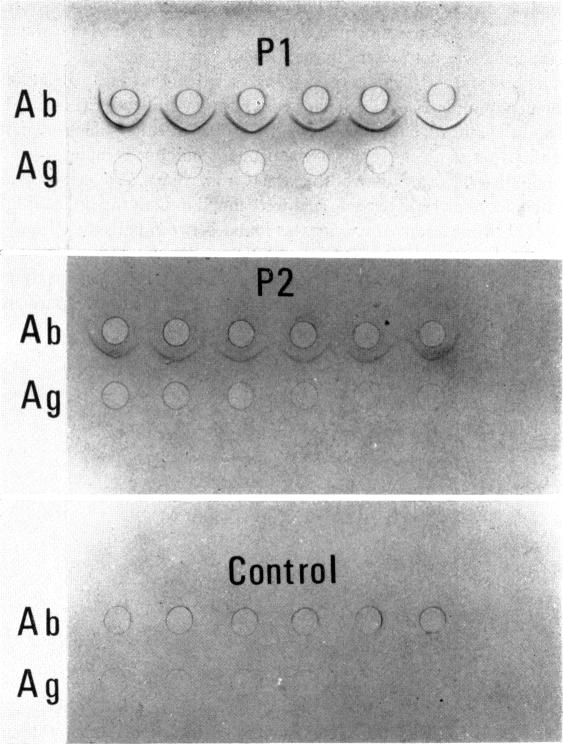
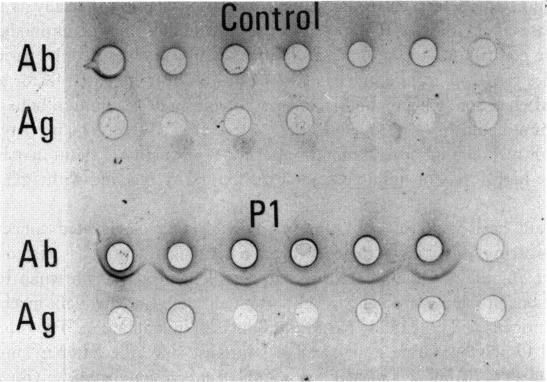
The direct measurement and partial characterization of circulating immune complexes has been performed in a longitudinal study of a patient with Staphylococcus albus-induced shunt nephritis. The high levels of immune complexes were associated with cryoglobulinaemia and hypocomplementaemia. The activation of complement was found to be via the classical pathway, but the functioning of the alternative pathway may have been impaired in vivo due to very low levels of C3. The host response to the infection was also characterized by the production of a marked macroglobulinaemia, high titres of rheumatoid factor and a typical acute phase increase in the C-reactive protein level. Immune complex levels were persistently elevated many months after the removal of the focus of the infection. A possible explanation for this surprising finding may lie in the nature of the antigens in the immune complexes. It was found that the immune complexes contained both antibodies to and antigens from Staphlococcus albus. In particular, glycerol teichoic acid and staphylococcal nuclease were identified as components of the immune complexes present during the acute phase. Glycerol teichoic acid was also identified in the immune complexes found later although other Staphylococcus albus antigens as yet unidentified were also present and persisted in the circulation for several months.