You Zongbing, Saims Daniel, Chen Shaoqiong, Zhang Zhaocheng, Guttridge Denis C, Guan Kun-Liang, MacDougald Ormond A, Brown Anthony M C, Evan Gerard, Kitajewski Jan, Wang Cun-Yu
Laboratory of Molecular Signaling and Apoptosis, Department of Biologic and Materials Sciences, School of Dentistry, University of Michigan, Ann Arbor 48109-1078, USA.
J Cell Biol. 2002 Apr 29;157(3):429-40. doi: 10.1083/jcb.200201110.
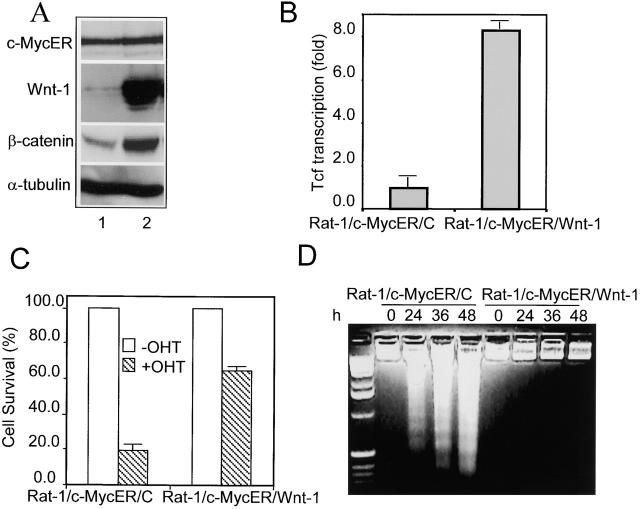
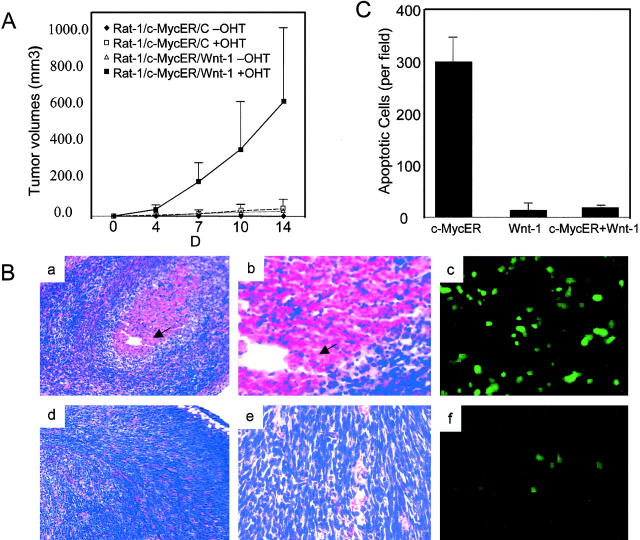
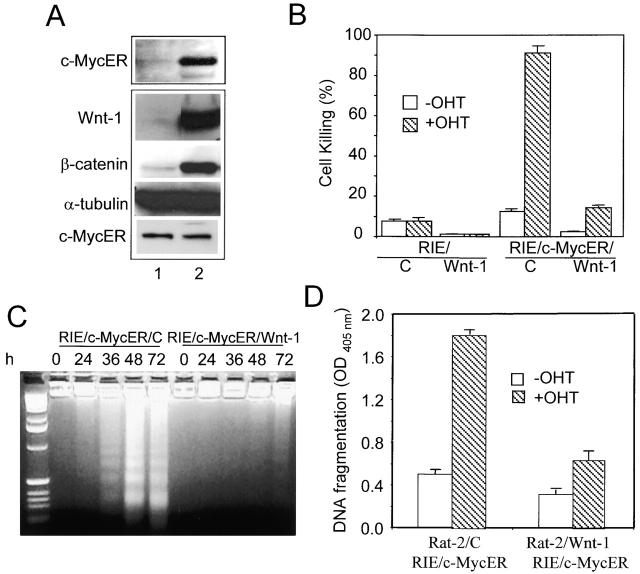
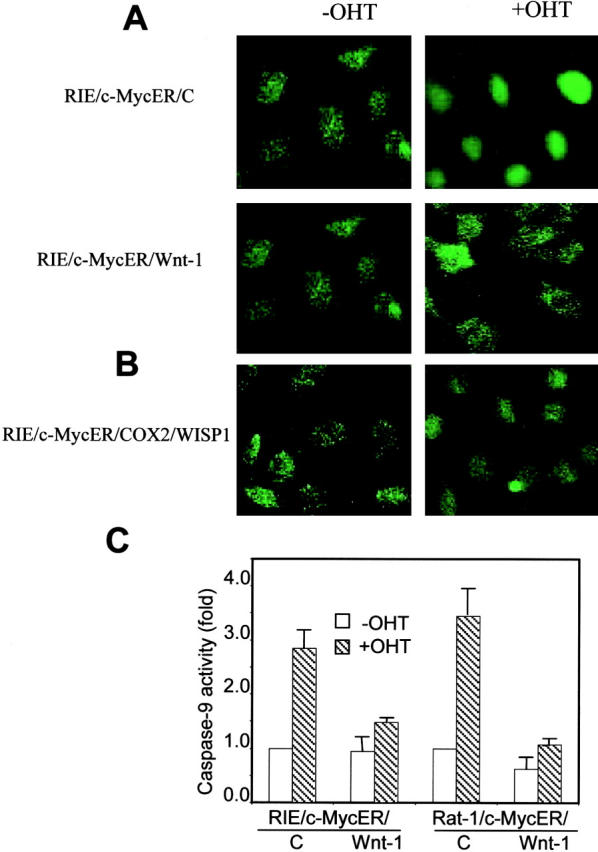
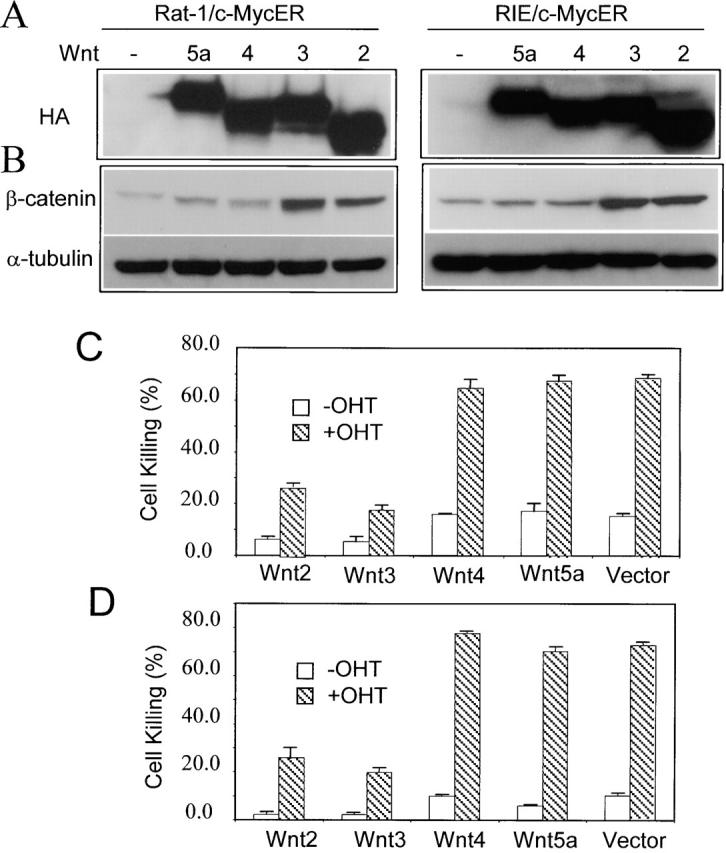
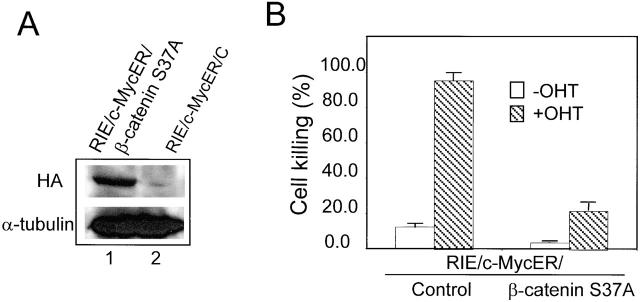
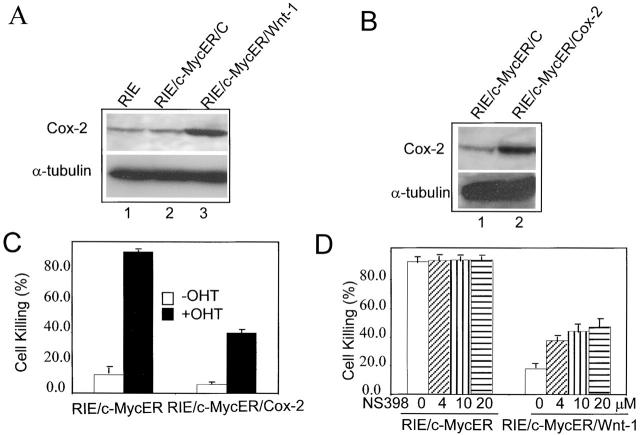
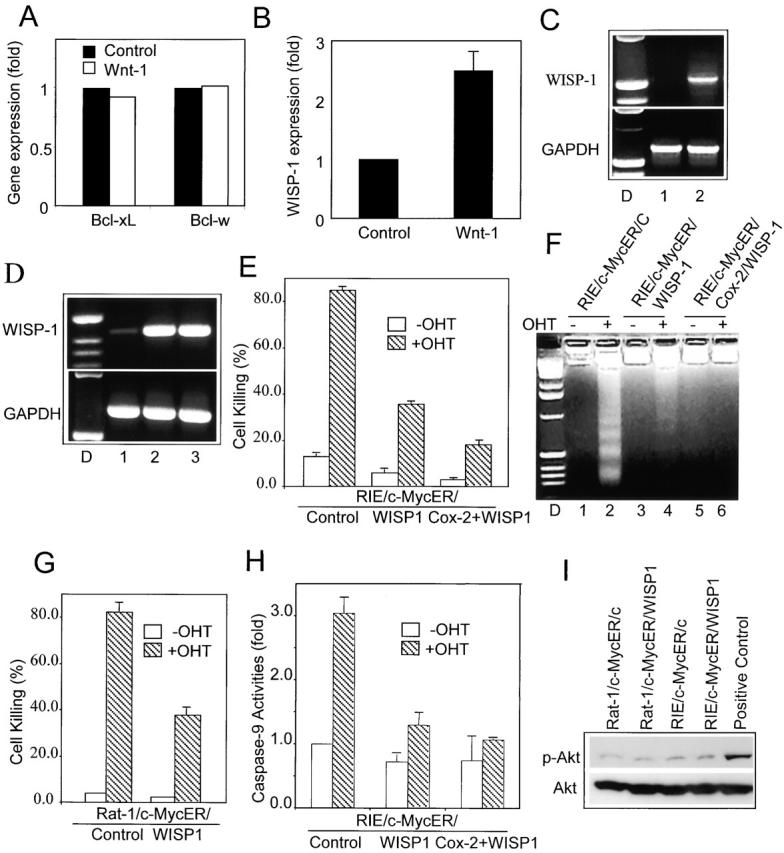
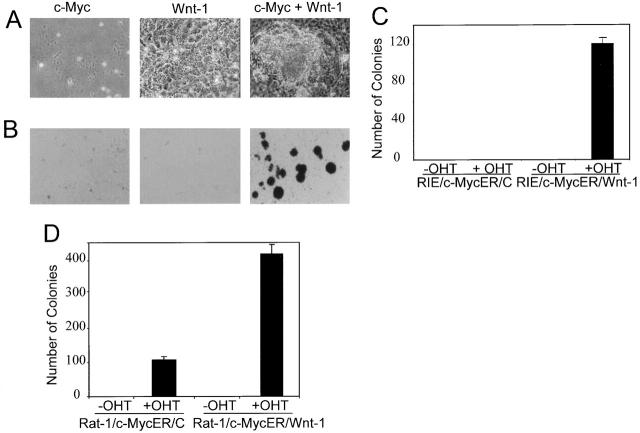
Aberrant activation of the Wnt/beta-catenin signaling pathway is associated with numerous human cancers and often correlates with the overexpression or amplification of the c-myc oncogene. Paradoxical to the cellular transformation potential of c-Myc is its ability to also induce apoptosis. Using an inducible c-MycER expression system, we found that Wnt/beta-catenin signaling suppressed apoptosis by inhibiting c-Myc-induced release of cytochrome c and caspase activation. Both cyclooxygenase 2 and WISP-1 were identified as effectors of the Wnt-mediated antiapoptotic signal. Soft agar assays showed that neither c-Myc nor Wnt-1 alone was sufficient to induce cellular transformation, but that Wnt and c-Myc coordinated in inducing transformation. Furthermore, coexpression of Wnt-1 and c-Myc induced high-frequency and rapid tumor growth in nude mice. Extensive apoptotic bodies were characteristic of c-Myc-induced tumors, but not tumors induced by coactivation of c-Myc and Wnt-1, indicating that the antiapoptotic function of Wnt-1 plays a critical role in the synergetic action between c-Myc and Wnt-1. These results elucidate the molecular mechanisms by which Wnt/beta-catenin inhibits apoptosis and provide new insight into Wnt signaling-mediated oncogenesis.