Andrade S P, Vieira L B, Bakhle Y S, Piper P J
Department of Pharmacology, Hunterian Institute, Royal College of Surgeons, London, UK.
Int J Exp Pathol. 1992 Aug;73(4):503-13.
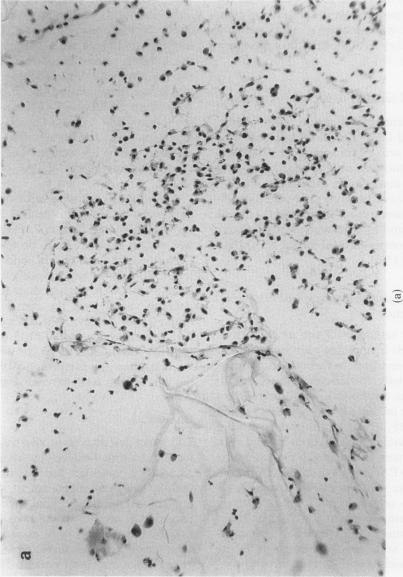
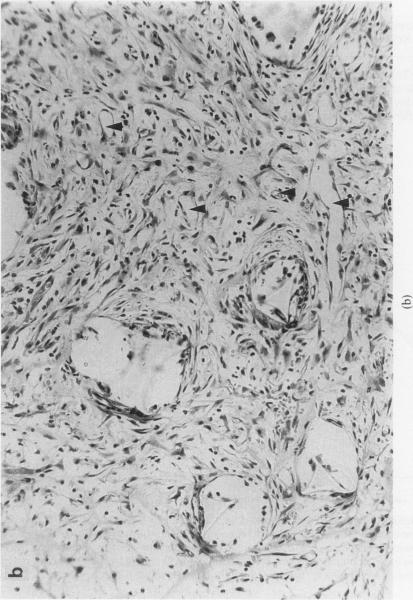
The combination of sponge implant and 133Xe washout technique described in this paper provides a model to study neovascularization in mice which can be observed over several days in the same animal. The local blood flow within the ingrowing granulation tissue has been determined by measuring the washout rate of 133Xe injected into the implants. Tissue infiltration of the sponges was assessed by histological examination and by measurement of sponge wet weight, protein and glycosaminoglycans (GAG) content. The newly formed blood vessels, despite having abnormal configuration, responded to platelet activating factor (PAF) and to endothelin-1 (ET-1) similarly to the normal mature vessels in adjacent skin. However, the sponge blood vessels were more sensitive to angiotensin II than the skin blood vessels. Using this model we have also demonstrated an angiogenic activity of PAF substantiated by increased blood flow and biochemical variables in the implanted sponges.
本文所述的海绵植入与¹³³Xe洗脱技术相结合,提供了一个研究小鼠新血管形成的模型,该模型可在同一动物身上观察数天。通过测量注入植入物中的¹³³Xe的洗脱率,确定了向内生长的肉芽组织内的局部血流。通过组织学检查以及测量海绵湿重、蛋白质和糖胺聚糖(GAG)含量,评估海绵的组织浸润情况。新形成的血管尽管形态异常,但对血小板活化因子(PAF)和内皮素-1(ET-1)的反应与相邻皮肤中的正常成熟血管相似。然而,海绵血管比皮肤血管对血管紧张素II更敏感。利用该模型,我们还通过植入海绵中血流增加和生化变量证实了PAF的血管生成活性。