Ferreira S M, Ho S Y, Anderson R H
Department of Internal Medicine, Faculty of Medicine, University of State Pará, Belém-Pará-Brazil.
Br Heart J. 1992 Apr;67(4):316-20. doi: 10.1136/hrt.67.4.316.
To determine the anatomical variability of the oval fossa in cases of atrial septal defect and to find out which factors might make such defects suitable or unsuitable for closure by umbrella or clamshell devices.
100 specimens with defects of the atrial septum within the oval fossa were studied, especially the position of the defects within the fossa; the area of the defect in relation to the total area of the oval fossa; the shape of the rims and flap valve of the oval fossa; and the anatomical variability in the eustachian and thebesian valves.
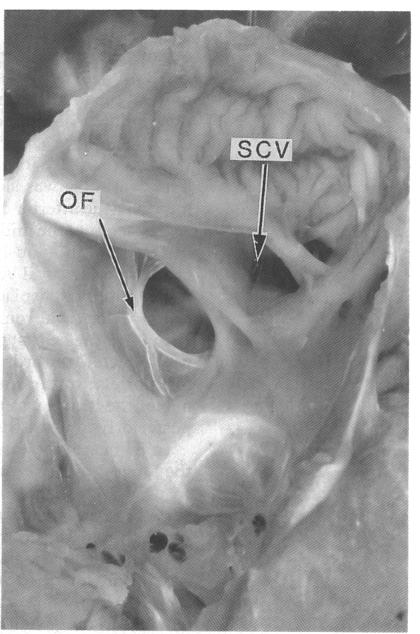
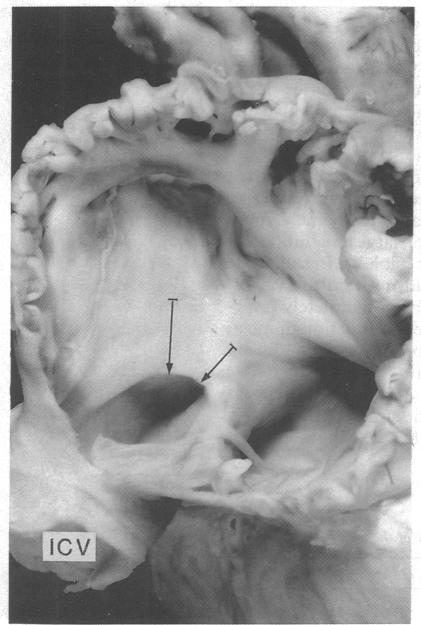
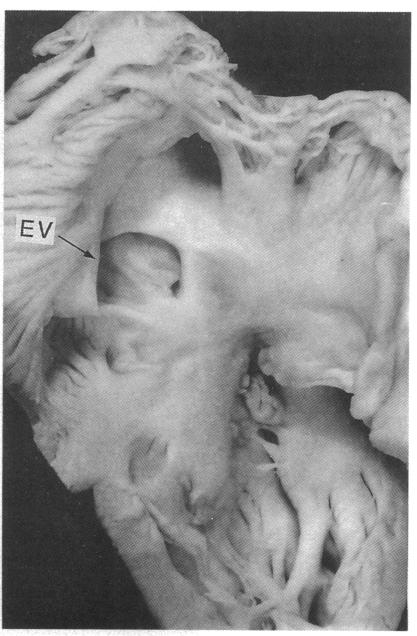
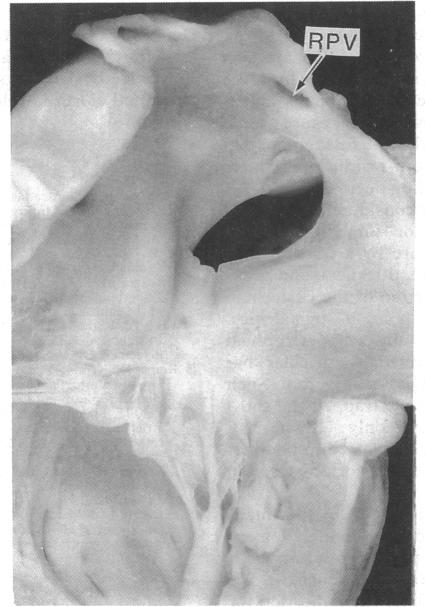
The oval fossa was displaced to the mouth of the inferior caval vein in four cases; displaced to the mouth of superior caval vein in two cases; placed on the middle of the interatrial wall in 43; or placed slightly towards the inferior caval vein in 51. Because of their shape 29 of the hearts were considered to be unsuitable for transcatheter closure of the defect. This was because the defect was too large (16 hearts); the oval fossa was displaced to the mouth of the inferior caval vein (four hearts) or to the superior caval vein (two hearts); lacked its anterior rim (two hearts); lacked the posteroinferior rim (one heart); because a thick eustachian valve was displaced posteriorly forming a false posteroinferior rim (one heart); or because the strand of insertion of the floor of the oval fossa was too distant from the left atrial aspect (three hearts).
68 hearts appeared to be ideal candidates for transcatheter closure; 3 would probably have been suitable; but 29 were unsuitable. These morphological variations might explain why the procedure has been unsuccessful in so many cases. Patients should be screened before any attempt is made at transcatheter closure.
确定房间隔缺损病例中卵圆窝的解剖变异情况,并找出哪些因素可能使此类缺损适合或不适合用伞形或蚌壳形装置进行封堵。
对100例卵圆窝内房间隔缺损的标本进行研究,尤其关注缺损在窝内的位置;缺损面积与卵圆窝总面积的关系;卵圆窝边缘和瓣叶的形状;以及下腔静脉瓣和冠状静脉窦瓣的解剖变异。
4例卵圆窝移位至下腔静脉口;2例移位至上腔静脉口;43例位于房间隔中部;51例略向下腔静脉方向。由于其形状,29例心脏被认为不适合经导管封堵缺损。原因包括缺损过大(16例);卵圆窝移位至下腔静脉口(4例)或上腔静脉口(2例);缺乏前边缘(2例);缺乏后下缘(1例);厚的下腔静脉瓣向后移位形成假后下缘(1例);或卵圆窝底部附着束离左心房面过远(3例)。
68例心脏似乎是经导管封堵的理想候选者;3例可能适合;但29例不适合。这些形态学变异可能解释了为什么该手术在如此多的病例中不成功。在尝试经导管封堵之前,应对患者进行筛查。