Lin W C, Pretlow T P, Pretlow T G, Culp L A
Department of Molecular Biology and Microbiology, Case Western Reserve University, School of Medicine, Cleveland, OH 44106.
Am J Pathol. 1992 Dec;141(6):1331-42.
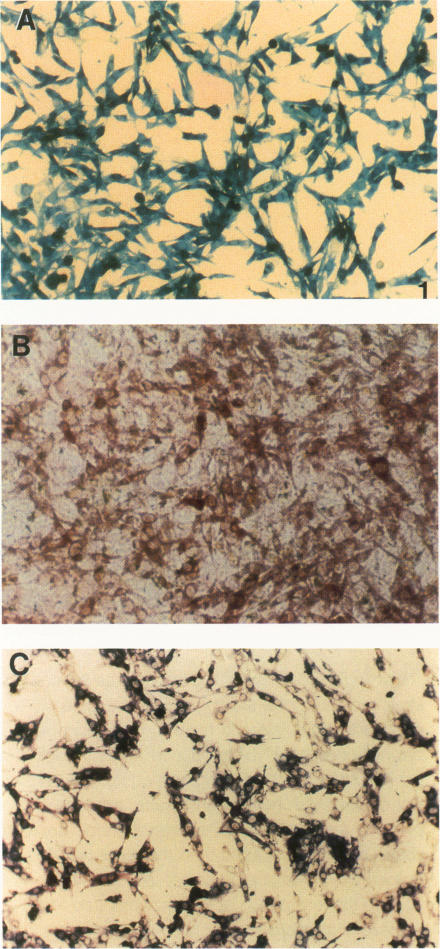
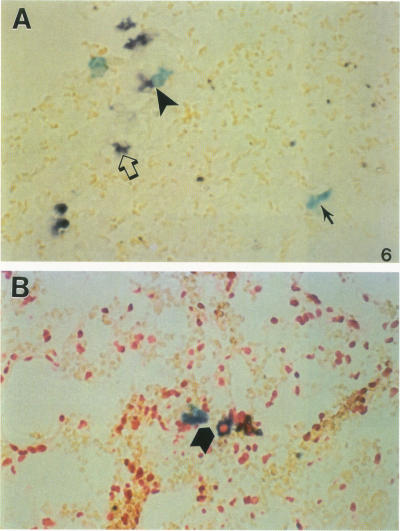
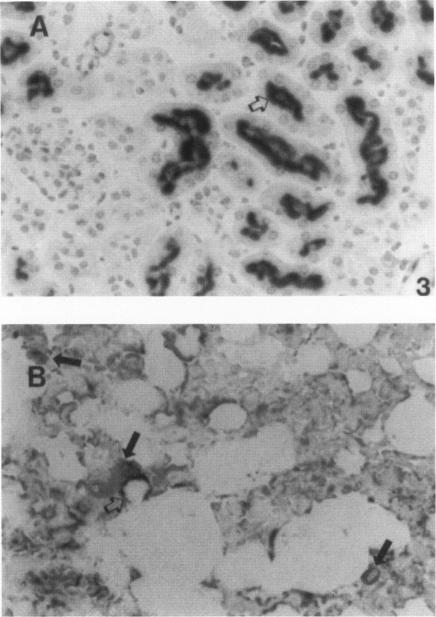
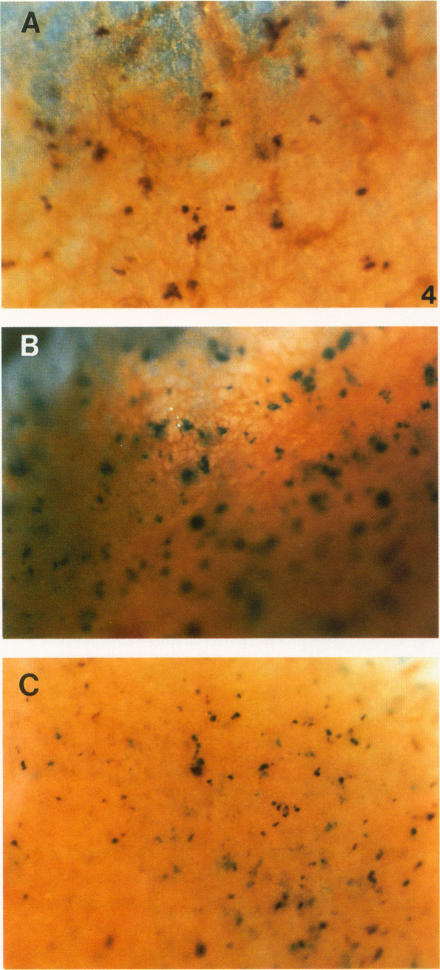
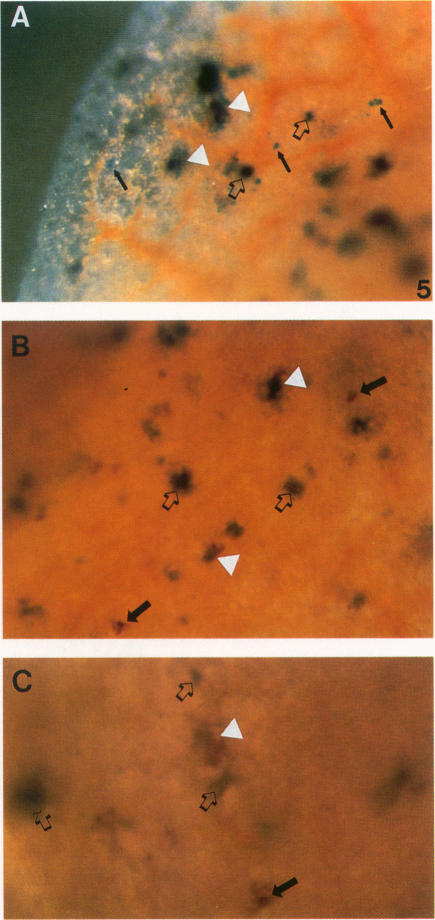
To evaluate interactions of two different tumor cell classes during the establishment of micrometastases at the single-cell level, two different BALB/c 3T3 tumor cell derivatives were established that harbor different histochemical marker genes: bacterial lacZ in a EJ-Harvey ras transformant (abbreviated LZEJ cells) and human placental alkaline phosphatase (ALP) gene in a human c-sis transformant (APSI cells). Several different histochemical staining methods were evaluated, using the distinctiveness of lacZ and ALP gene activities, for identification of these cell classes singly or together in the lung after their intravenous injection into nude mice. LZEJ and APSI cells could readily be distinguished from each other after co-injection by using specific and sequential staining protocols of whole organs or sections; staining of host organ cells was minimized. Co-injection of the two tumor cell classes resulted in similar numbers of homogeneous microfoci in lungs of LZEJ or APSI cells within minutes after injection that persisted for several hours before clearance of most of them. Furthermore, a significant percentage of foci could be identified containing both classes of tumor cells on whole-organ or section evaluations; these cohabiting foci resisted clearance from lungs. Therefore, use of two different histochemical marker genes to tag different classes of tumor cells provides a powerful approach for determining their in situ co-localization, cooperation, or interference with the establishment and development of micrometastases, as well as an opportunity to evaluate gene regulation in situ at the single-cell level.
为了在单细胞水平评估微转移灶形成过程中两种不同肿瘤细胞类型之间的相互作用,构建了两种不同的BALB/c 3T3肿瘤细胞衍生物,它们携带不同的组织化学标记基因:EJ-哈维鼠肉瘤病毒转化株中的细菌β-半乳糖苷酶基因(简称为LZEJ细胞)和人c-sis转化株中的人胎盘碱性磷酸酶(ALP)基因(APSI细胞)。利用β-半乳糖苷酶和ALP基因活性的差异,评估了几种不同的组织化学染色方法,用于在将这些细胞静脉注射到裸鼠体内后,单独或同时鉴定肺中的这些细胞类型。通过对整个器官或切片采用特定的顺序染色方案,在共注射后很容易区分LZEJ和APSI细胞;宿主器官细胞的染色被降至最低。两种肿瘤细胞类型的共注射在注射后几分钟内导致LZEJ或APSI细胞在肺中形成数量相似的均匀微灶,这些微灶在大多数微灶被清除之前持续存在数小时。此外,在对整个器官或切片的评估中,可识别出相当比例的病灶含有两类肿瘤细胞;这些共存的病灶不易从肺中清除。因此,使用两种不同的组织化学标记基因标记不同类型的肿瘤细胞,为确定它们在原位的共定位、合作或对微转移灶形成和发展的干扰提供了一种有力的方法,同时也为在单细胞水平原位评估基因调控提供了机会。