Matano Tetsuro, Kobayashi Masahiro, Igarashi Hiroko, Takeda Akiko, Nakamura Hiromi, Kano Munehide, Sugimoto Chie, Mori Kazuyasu, Iida Akihiro, Hirata Takahiro, Hasegawa Mamoru, Yuasa Takae, Miyazawa Masaaki, Takahashi Yumiko, Yasunami Michio, Kimura Akinori, O'Connor David H, Watkins David I, Nagai Yoshiyuki
Department of Microbiology, Graduate School of Medicine, The University of Tokyo, 7-3-1 Hongo, Bunkyo-ku, Tokyo 113-0033, Japan.
J Exp Med. 2004 Jun 21;199(12):1709-18. doi: 10.1084/jem.20040432.
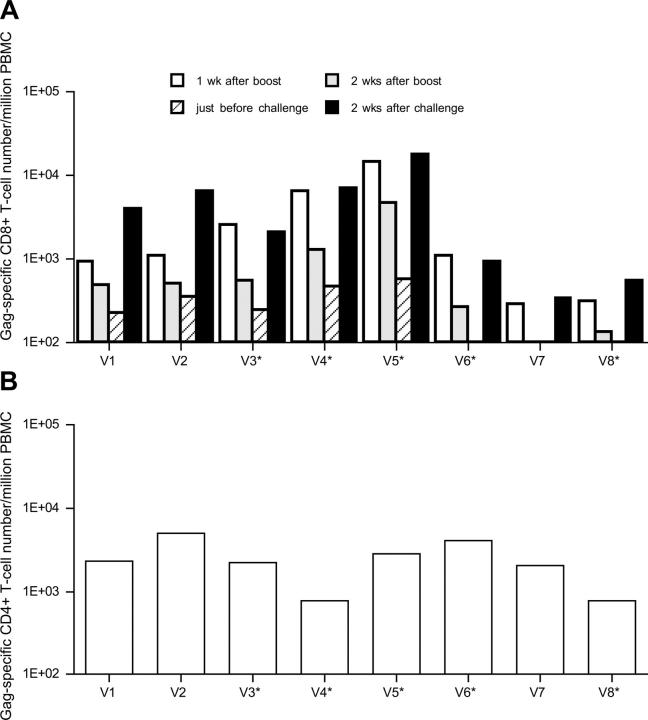
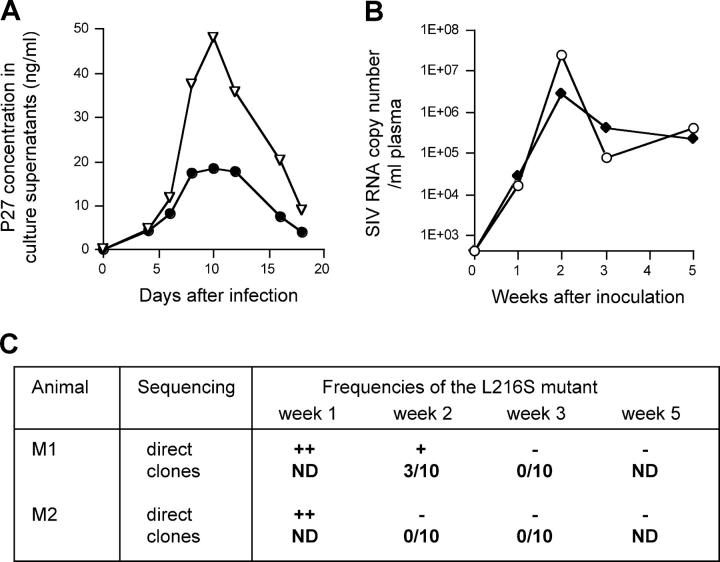
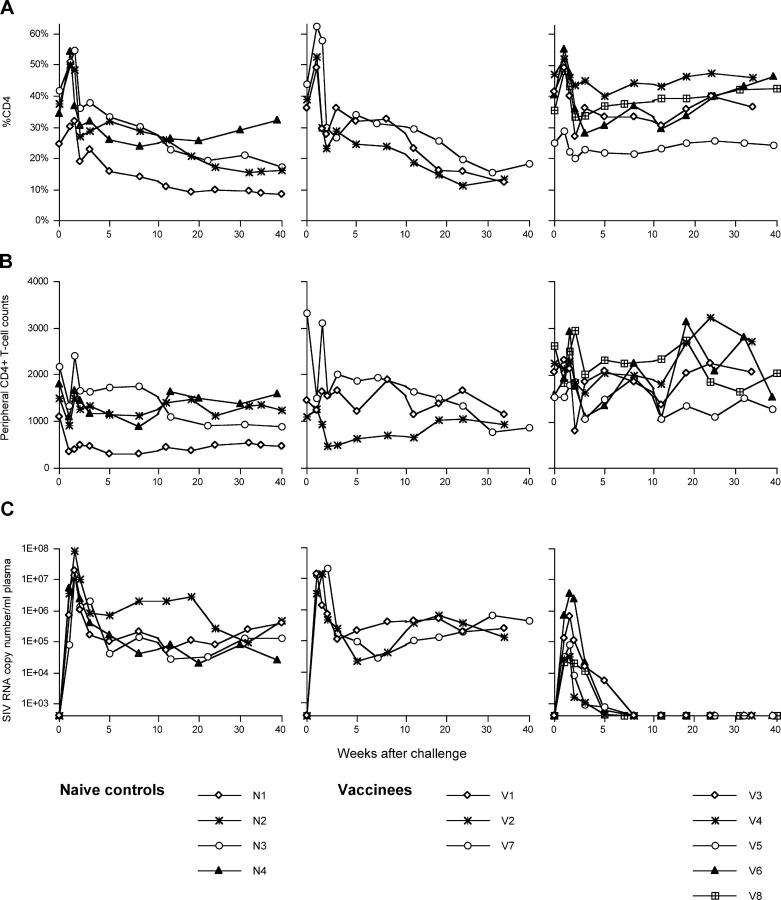
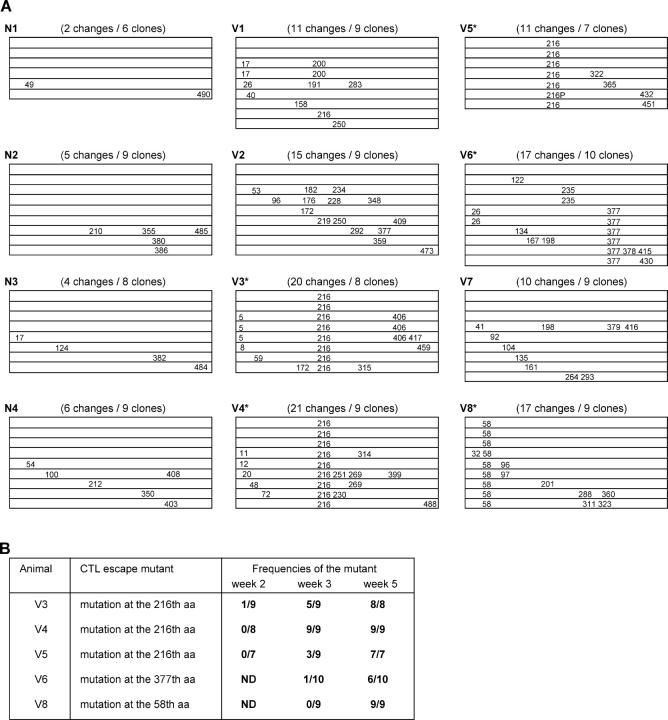
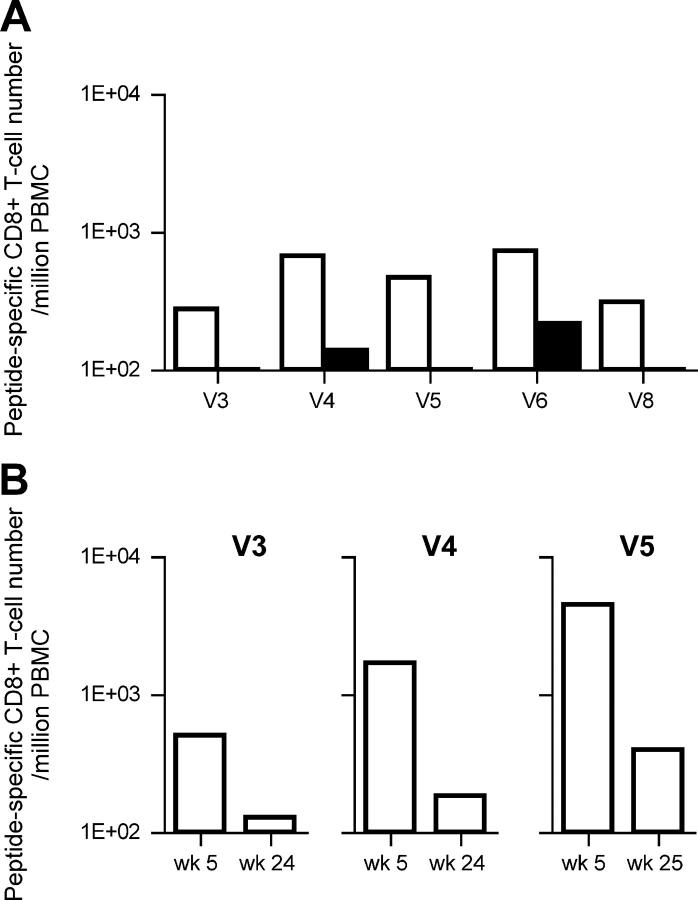
Recently, encouraging AIDS vaccine trials in macaques have implicated cytotoxic T lymphocytes (CTLs) in the control of the simian human immunodeficiency virus SHIV89.6P that induces acute CD4(+) T cell depletion. However, none of these vaccine regimens have been successful in the containment of replication of the pathogenic simian immunodeficiency viruses (SIVs) that induce chronic disease progression. Indeed, it has remained unclear if vaccine-induced CTL can control SIV replication. Here, we show evidence suggesting that vaccine-induced CTLs control SIVmac239 replication in rhesus macaques. Eight macaques vaccinated with DNA-prime/Gag-expressing Sendai virus vector boost were challenged intravenously with SIVmac239. Five of the vaccinees controlled viral replication and had undetectable plasma viremia after 5 wk of infection. CTLs from all of these five macaques rapidly selected for escape mutations in Gag, indicating that vaccine-induced CTLs successfully contained replication of the challenge virus. Interestingly, analysis of the escape variant selected in three vaccinees that share a major histocompatibility complex class I haplotype revealed that the escape variant virus was at a replicative disadvantage compared with SIVmac239. These findings suggested that the vaccine-induced CTLs had "crippled" the challenge virus. Our results indicate that vaccine induction of highly effective CTLs can result in the containment of replication of a highly pathogenic immunodeficiency virus.
最近,在猕猴身上进行的令人鼓舞的艾滋病疫苗试验表明,细胞毒性T淋巴细胞(CTL)在控制诱导急性CD4(+) T细胞耗竭的猿猴人类免疫缺陷病毒SHIV89.6P中发挥作用。然而,这些疫苗方案均未能成功抑制诱导慢性疾病进展的致病性猿猴免疫缺陷病毒(SIV)的复制。事实上,疫苗诱导的CTL是否能够控制SIV复制仍不明确。在此,我们展示的证据表明,疫苗诱导的CTL可控制恒河猴体内SIVmac239的复制。八只接种了DNA初免/表达Gag的仙台病毒载体加强免疫的猕猴经静脉注射SIVmac239进行攻击。其中五只接种疫苗的猕猴控制了病毒复制,并且在感染5周后血浆病毒血症检测不到。来自这五只猕猴的CTL迅速选择了Gag中的逃逸突变,这表明疫苗诱导的CTL成功抑制了攻击病毒的复制。有趣的是,对三只共享主要组织相容性复合体I类单倍型的接种疫苗猕猴中选择的逃逸变异体进行分析发现,与SIVmac239相比,逃逸变异体病毒在复制方面处于劣势。这些发现表明,疫苗诱导的CTL使攻击病毒“致残”。我们的结果表明,疫苗诱导产生高效CTL可抑制高致病性免疫缺陷病毒的复制。