Hammond Robert L, Keller Laurent
Department of Ecology and Evolution, Bâtiment de Biologie, University of Lausanne, Lausanne, Switzerland.
PLoS Biol. 2004 Sep;2(9):E248. doi: 10.1371/journal.pbio.0020248. Epub 2004 Aug 24.
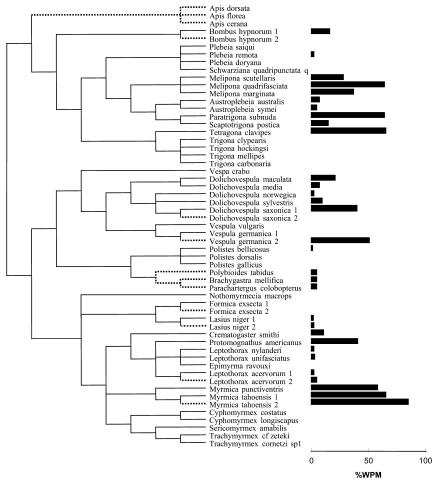
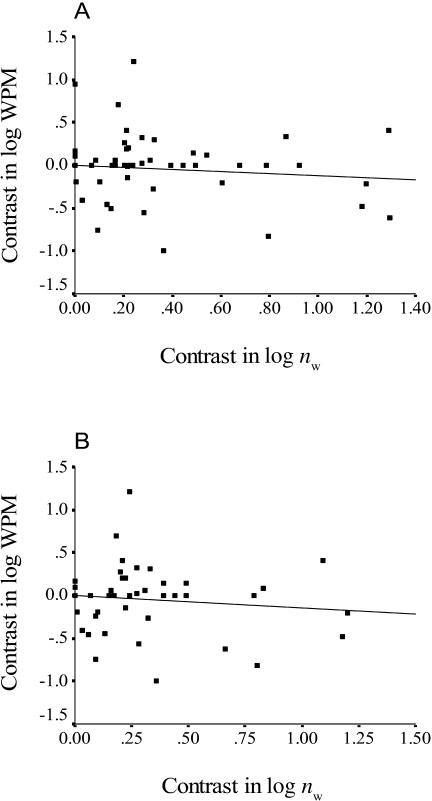
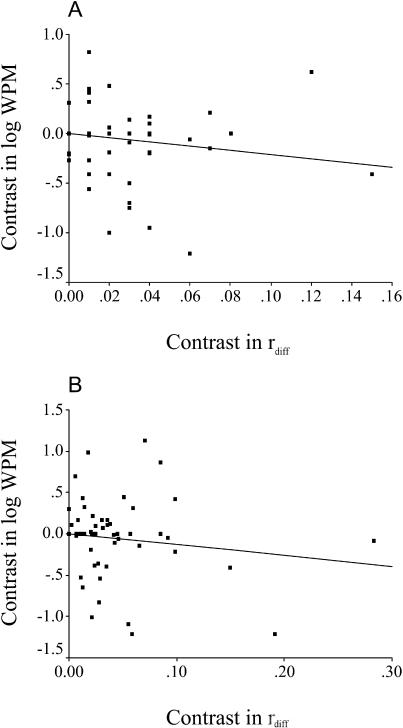
Mutual policing is an important mechanism that maintains social harmony in group-living organisms by suppressing the selfish behavior of individuals. In social insects, workers police one another (worker-policing) by preventing individual workers from laying eggs that would otherwise develop into males. Within the framework of Hamilton's rule there are two explanations for worker-policing behavior. First, if worker reproduction is cost-free, worker-policing should occur only where workers are more closely related to queen- than to worker-produced male eggs (relatedness hypothesis). Second, if there are substantial costs to unchecked worker reproduction, worker-policing may occur to counteract these costs and increase colony efficiency (efficiency hypothesis). The first explanation predicts that patterns of the parentage of males (male parentage) are associated with relatedness, whereas the latter does not. We have investigated how male parentage varies with colony kin structure and colony size in 50 species of ants, bees, and wasps in a phylogenetically controlled comparative analysis. Our survey revealed that queens produced the majority of males in most of the species and that workers produced more than half of the males in less than 10% of species. Moreover, we show that male parentage does not vary with relatedness as predicted by the relatedness hypothesis. This indicates that intra- and interspecific variation in male parentage cannot be accounted for by the relatedness hypothesis alone and that increased colony efficiency is an important factor responsible for the evolution of worker-policing. Our study reveals greater harmony and more complex regulation of reproduction in social insect colonies than that expected from simple theoretical expectations based on relatedness only.
相互监督是群居生物中通过抑制个体自私行为来维持社会和谐的重要机制。在社会性昆虫中,工蚁会通过阻止个别工蚁产卵(工蚁监督)来相互监督,否则这些卵会发育成雄蚁。在汉密尔顿法则的框架下,对于工蚁监督行为有两种解释。第一,如果工蚁繁殖无需成本,那么工蚁监督应该只发生在工蚁与蚁后所产雄蚁的亲缘关系比与工蚁自己所产雄蚁的亲缘关系更近的情况下(亲缘关系假说)。第二,如果工蚁不受控制的繁殖存在巨大成本,那么工蚁监督可能会发生以抵消这些成本并提高蚁群效率(效率假说)。第一种解释预测雄蚁的父系模式(雄蚁父权)与亲缘关系相关,而后者则不然。我们在系统发育控制的比较分析中研究了50种蚂蚁、蜜蜂和黄蜂的雄蚁父权如何随蚁群亲缘结构和蚁群大小而变化。我们的调查显示,在大多数物种中,雄蚁大多由蚁后所产,而在不到10%的物种中,工蚁所产雄蚁超过半数。此外,我们表明雄蚁父权并不像亲缘关系假说所预测的那样随亲缘关系而变化。这表明仅亲缘关系假说无法解释种内和种间雄蚁父权的差异,而提高蚁群效率是导致工蚁监督进化的一个重要因素。我们的研究揭示了社会性昆虫群体中繁殖的和谐性更高且调控更复杂,超出了仅基于亲缘关系的简单理论预期。