Raponi Mitch, Belly Robert T, Karp Judith E, Lancet Jeffrey E, Atkins David, Wang Yixin
Veridex, LLC, Johnson and Johnson Company, San Diego, CA 9212, USA.
BMC Cancer. 2004 Aug 25;4:56. doi: 10.1186/1471-2407-4-56.
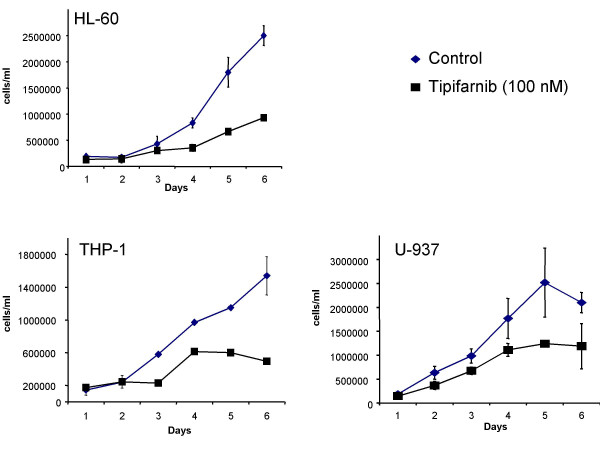
Farnesyl protein transferase inhibitors (FTIs) were originally developed to inhibit oncogenic ras, however it is now clear that there are several other potential targets for this drug class. The FTI tipifarnib (ZARNESTRA, R115777) has recently demonstrated clinical responses in adults with refractory and relapsed acute leukemias. This study was conducted to identify genetic markers and pathways that are regulated by tipifarnib in acute myeloid leukemia (AML).
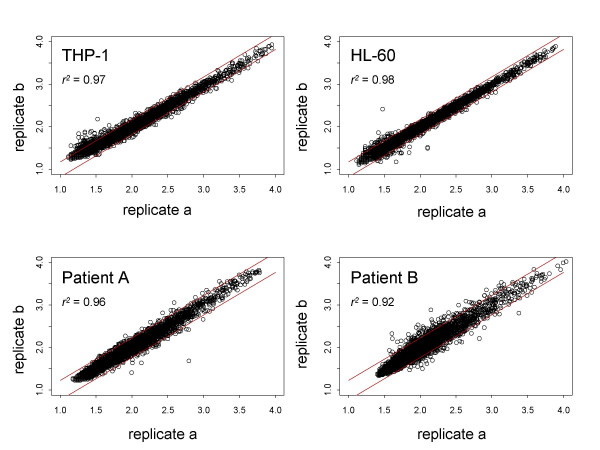
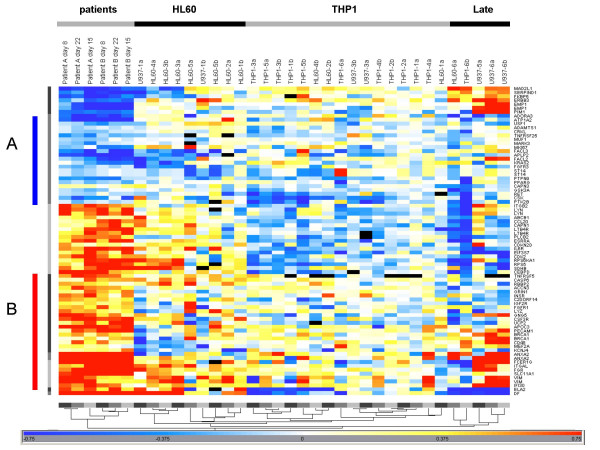
Tipifarnib-mediated gene expression changes in 3 AML cell lines and bone marrow samples from two patients with AML were analyzed on a cDNA microarray containing approximately 7000 human genes. Pathways associated with these expression changes were identified using the Ingenuity Pathway Analysis tool.
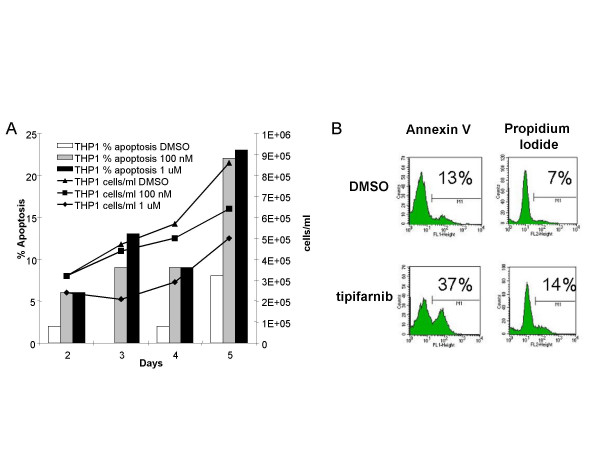
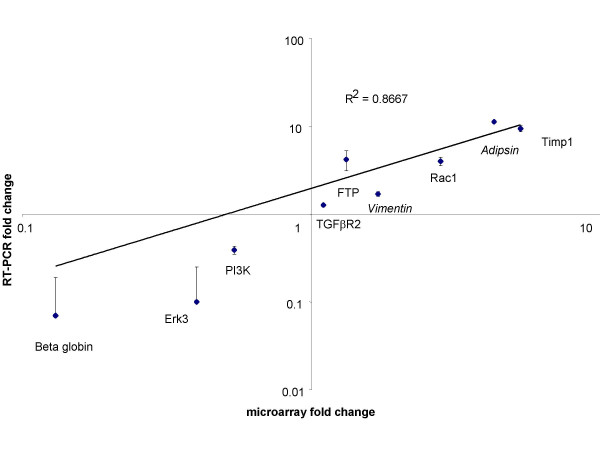
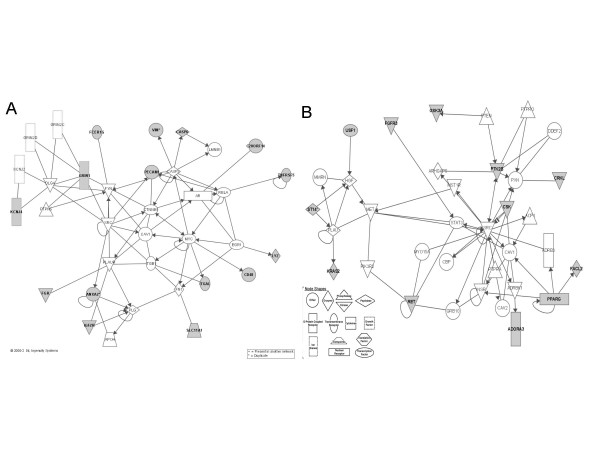
The expression analysis identified a common set of genes that were regulated by tipifarnib in three leukemic cell lines and in leukemic blast cells isolated from two patients who had been treated with tipifarnib. Association of modulated genes with biological functional groups identified several pathways affected by tipifarnib including cell signaling, cytoskeletal organization, immunity, and apoptosis. Gene expression changes were verified in a subset of genes using real time RT-PCR. Additionally, regulation of apoptotic genes was found to correlate with increased Annexin V staining in the THP-1 cell line but not in the HL-60 cell line.
The genetic networks derived from these studies illuminate some of the biological pathways affected by FTI treatment while providing a proof of principle for identifying candidate genes that might be used as surrogate biomarkers of drug activity.
法尼基蛋白转移酶抑制剂(FTIs)最初是为抑制致癌性Ras而开发的,然而现在很清楚,这类药物还有其他几个潜在靶点。FTI替匹法尼(ZARNESTRA,R115777)最近在难治性和复发性急性白血病成人患者中显示出临床疗效。本研究旨在确定替匹法尼在急性髓系白血病(AML)中调控的遗传标志物和信号通路。
利用包含约7000个人类基因的cDNA微阵列,分析了替匹法尼介导的3种AML细胞系以及2例AML患者骨髓样本中的基因表达变化。使用Ingenuity Pathway Analysis工具确定与这些表达变化相关的信号通路。
表达分析确定了一组共同的基因,这些基因在3种白血病细胞系以及从2例接受替匹法尼治疗的患者中分离出的白血病原始细胞中受到替匹法尼的调控。将受调控基因与生物功能组进行关联分析,确定了几个受替匹法尼影响的信号通路,包括细胞信号传导、细胞骨架组织、免疫和细胞凋亡。使用实时RT-PCR在一部分基因中验证了基因表达变化。此外,发现凋亡基因的调控与THP-1细胞系中膜联蛋白V染色增加相关,但在HL-60细胞系中不相关。
这些研究得出的遗传网络阐明了FTI治疗影响的一些生物学信号通路,同时为鉴定可能用作药物活性替代生物标志物的候选基因提供了原理证明。