Gowardhan B, Douglas D A, Mathers M E, McKie A B, McCracken S R C, Robson C N, Leung H Y
Urology Research Group, Northern Institute for Cancer Research, University of Newcastle, Newcastle upon Tyne, NE2 4HH, UK.
Br J Cancer. 2005 Jan 31;92(2):320-7. doi: 10.1038/sj.bjc.6602274.
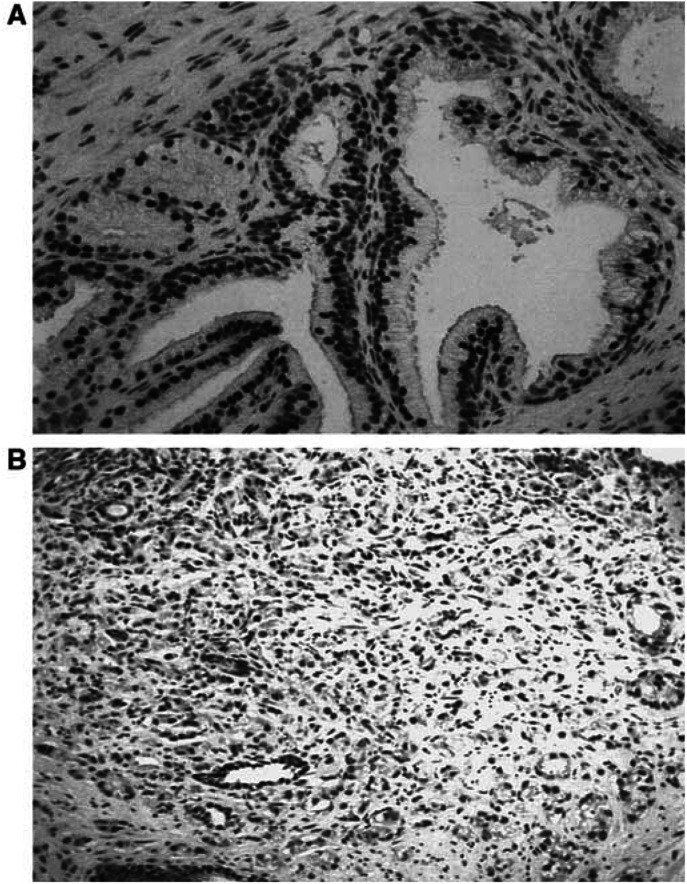
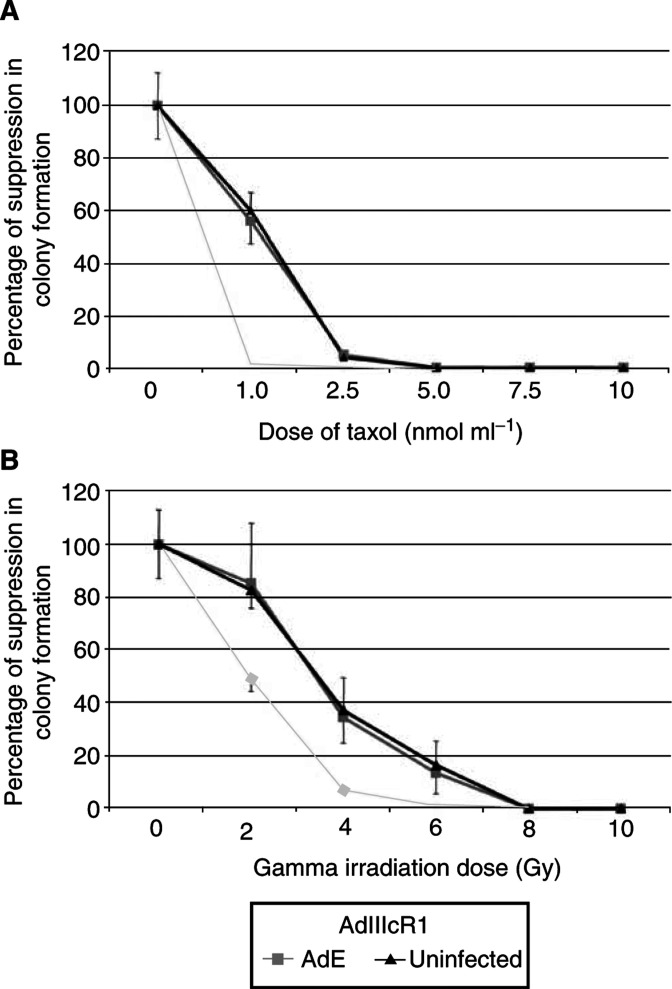
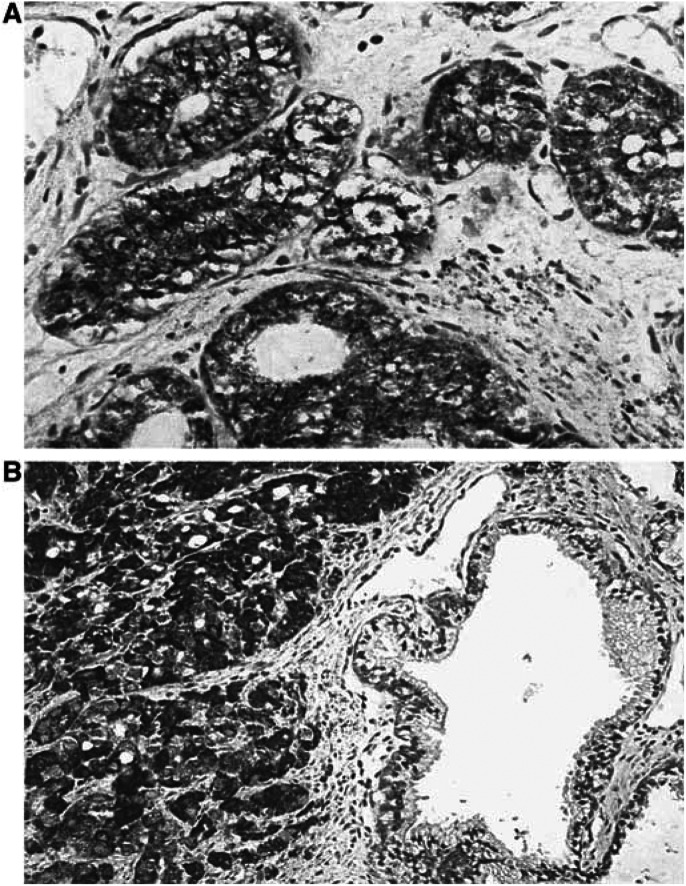
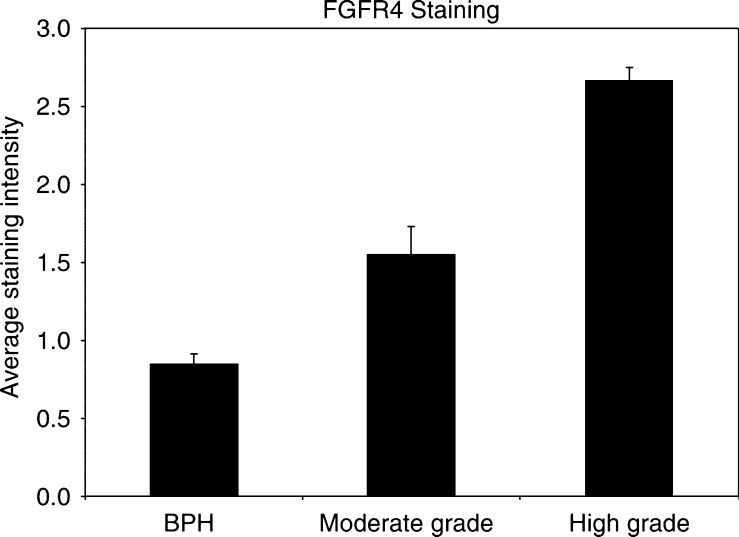
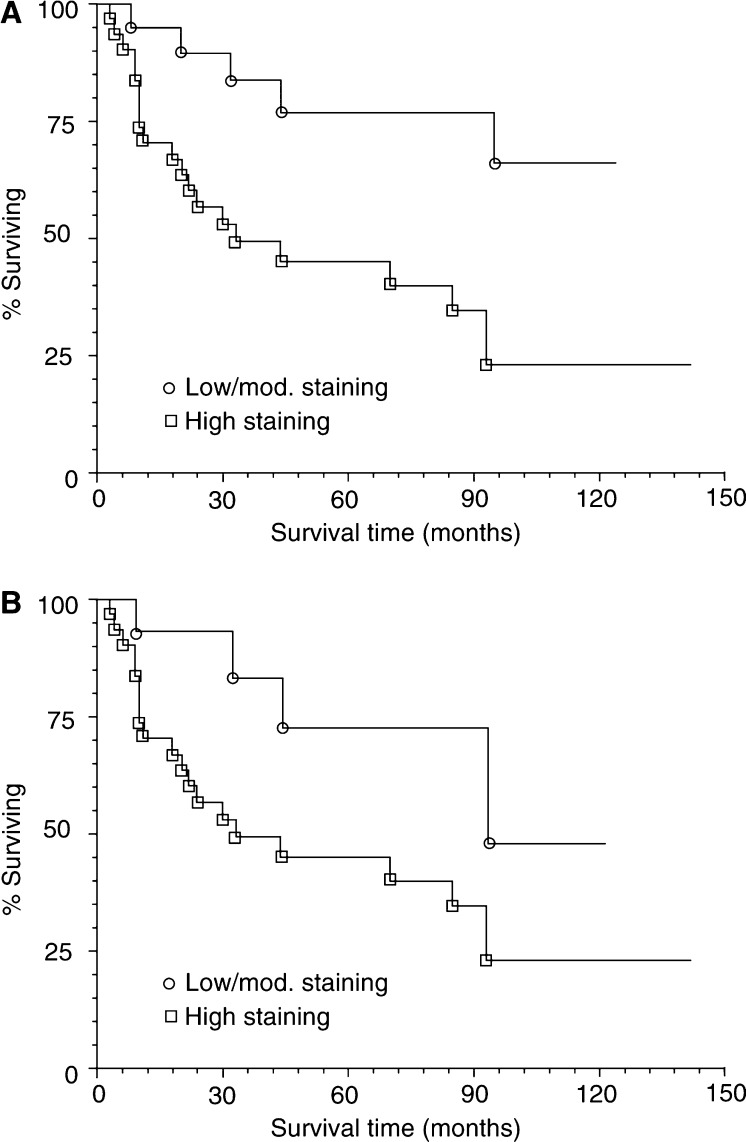
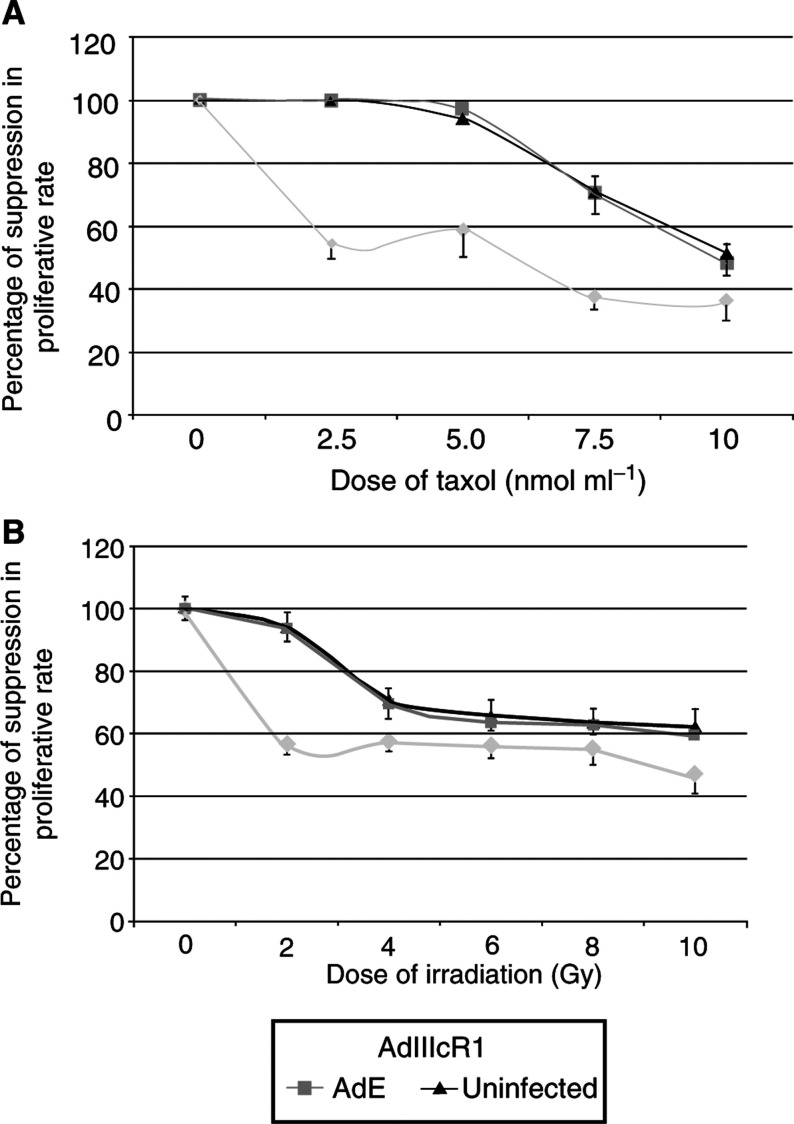
Overexpression of fibroblast growth factors (FGFs) has been implicated in prostate carcinogenesis. FGFs function via their high-affinity interactions with receptor tyrosine kinases, FGFR1-4. Expression of FGFR1 and FGFR2 in prostate cancer (CaP) was not found to be associated with clinical parameters. In this report, we further investigated for abnormal FGFR expression in prostate cancer and explore their significance as a potential target for therapy. The expression levels of FGFR3 and FGFR4 in CaP were examined and corroborated to clinical parameters. FGFR3 immunoreactivity in benign prostatic hyperplasia (BPH) and CaP (n=26 and 57, respectively) had similar intensity and pattern. Overall, FGFR4 expression was significantly upregulated in CaP when compared to BPH. A significant positive correlation between FGFR4 expression and Gleason score was noted: Gleason score 7-10 tumours compared to BPH (P<0.0001, Fisher's exact test), Gleason score 4-6 tumours compared to BPH (P<0.0004), and Gleason 7-10 compared to Gleason 4-6 tumours (P<0.005). FGFR4 overexpression was associated with an unfavourable outcome with decreased disease-specific survival (P<0.04, log rank test). FGF-induced signalling is targeted using soluble FGF receptor (sFGFR), potent inhibitor of FGFR function. We have previously shown that sFGFR expression via a replication-deficient adenoviral vector (AdlllcRl) suppresses in vitro FGF-induced signalling and function in human CaP DU145 cells. We tested the significance of inhibiting FGF function along with conventional therapeutic modalities in CaP, and confirmed synergistic effects on in vitro cell growth (proliferation and colony formation) by combining sFGFR expression and treatment with either Paclitaxel (Taxol) or gamma-irradiation. In summary, our data support the model of FGF system as valid target for therapy in CaP.
成纤维细胞生长因子(FGFs)的过表达与前列腺癌发生有关。FGFs通过与受体酪氨酸激酶FGFR1 - 4的高亲和力相互作用发挥功能。未发现FGFR1和FGFR2在前列腺癌(CaP)中的表达与临床参数相关。在本报告中,我们进一步研究前列腺癌中FGFR的异常表达,并探讨其作为潜在治疗靶点的意义。检测了CaP中FGFR3和FGFR4的表达水平,并与临床参数进行了对照。良性前列腺增生(BPH)和CaP(分别为n = 26和57)中FGFR3免疫反应性的强度和模式相似。总体而言,与BPH相比,CaP中FGFR4表达显著上调。FGFR4表达与Gleason评分之间存在显著正相关:Gleason评分7 - 10的肿瘤与BPH相比(P < 0.0001,Fisher精确检验),Gleason评分4 - 6的肿瘤与BPH相比(P < 0.0004),Gleason评分7 - 10的肿瘤与Gleason评分4 - 6的肿瘤相比(P < 0.005)。FGFR4过表达与不良预后相关,疾病特异性生存率降低(P < 0.04,对数秩检验)。使用可溶性FGF受体(sFGFR)靶向FGF诱导的信号传导,sFGFR是FGFR功能的有效抑制剂。我们之前已经表明,通过复制缺陷型腺病毒载体(AdlllcRl)表达sFGFR可抑制体外FGF诱导的信号传导以及人CaP DU145细胞的功能。我们测试了在CaP中抑制FGF功能与传统治疗方式相结合的意义,并通过将sFGFR表达与紫杉醇(泰素)或γ射线照射联合治疗,证实了对体外细胞生长(增殖和集落形成)的协同作用。总之,我们的数据支持FGF系统作为CaP治疗有效靶点的模型。