Anderson Garrett H, Veit Bruce, Hanson Maureen R
Molecular Biology and Genetics, Cornell University, Ithaca, 14853, USA.
BMC Biol. 2005 Apr 21;3:12. doi: 10.1186/1741-7007-3-12.
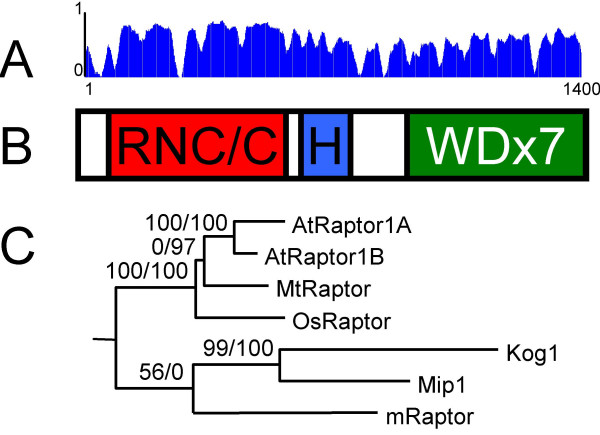
Flowering plant development is wholly reliant on growth from meristems, which contain totipotent cells that give rise to all post-embryonic organs in the plant. Plants are uniquely able to alter their development throughout their lifespan through the generation of new organs in response to external signals. To identify genes that regulate meristem-based growth, we considered homologues of Raptor proteins, which regulate cell growth in response to nutrients in yeast and metazoans as part of a signaling complex with the target of rapamycin (TOR) kinase.
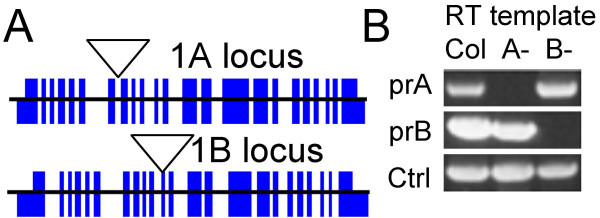
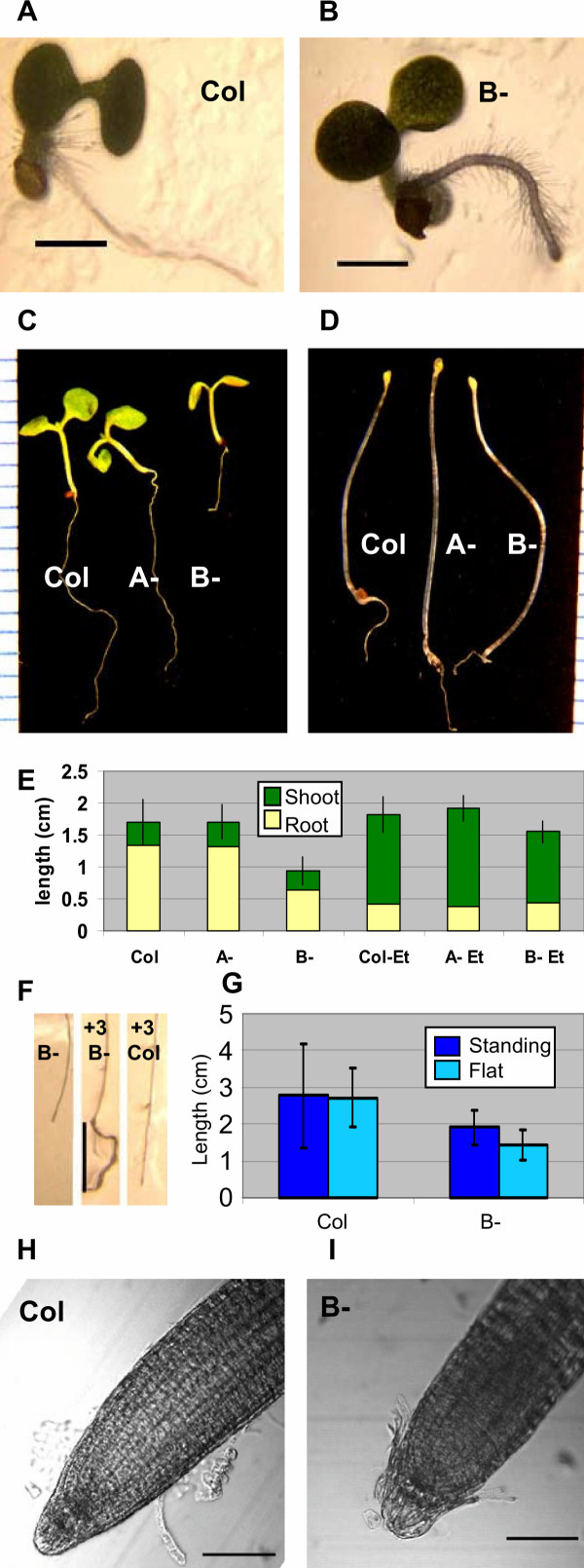
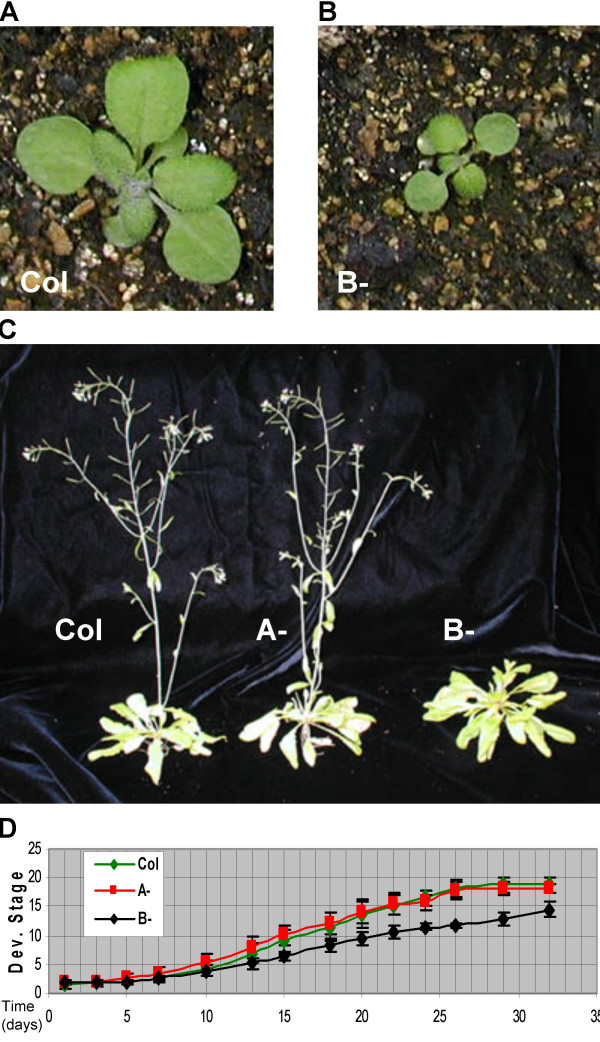
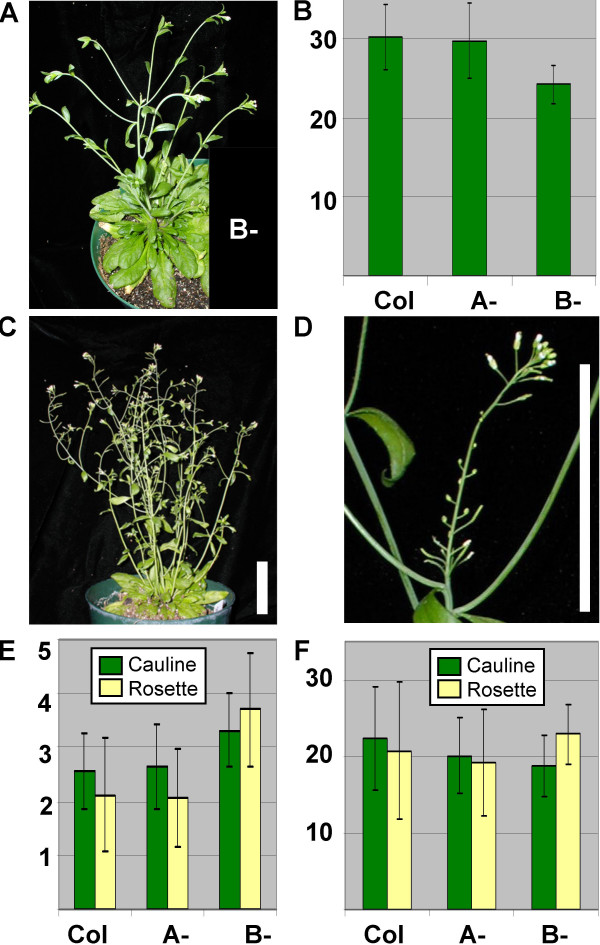
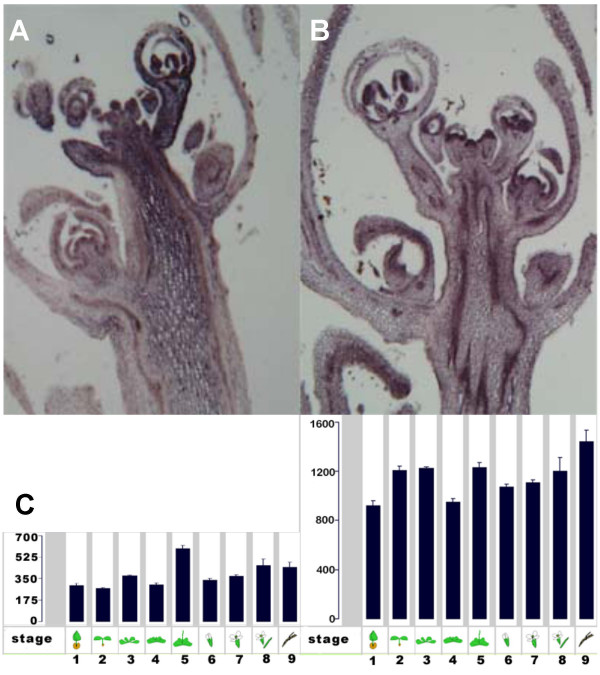
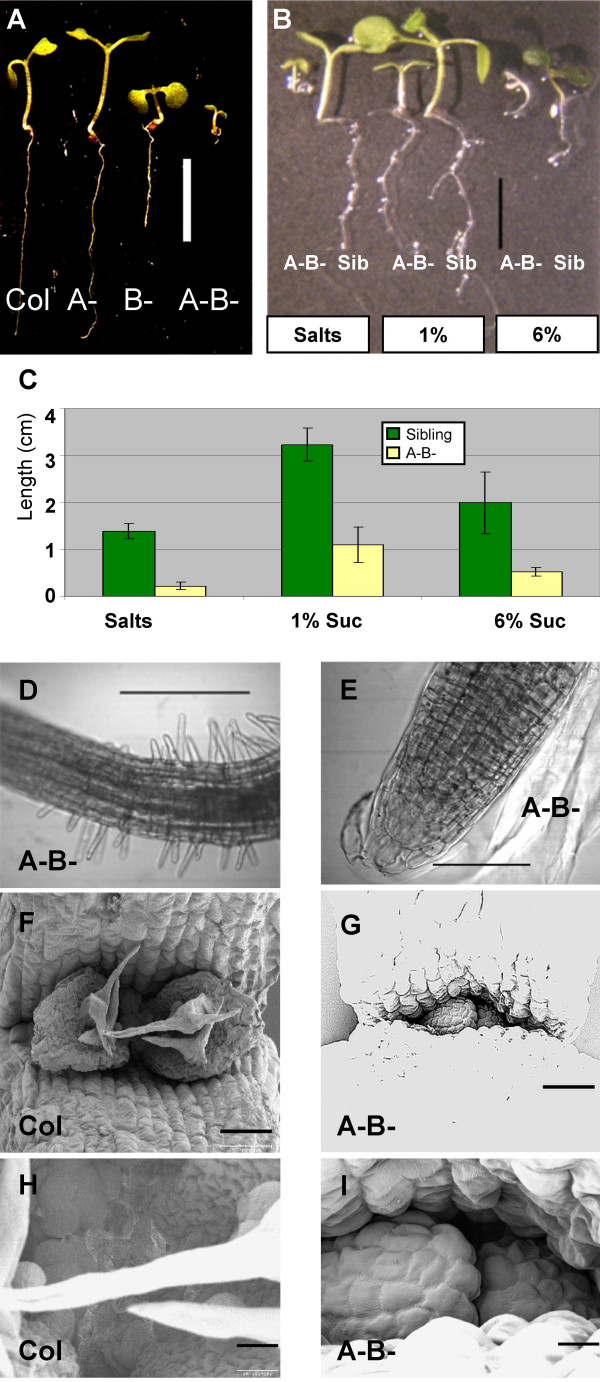
We identified AtRaptor1A and AtRaptor1B, two loci predicted to encode Raptor proteins in Arabidopsis. Disruption of AtRaptor1B yields plants with a wide range of developmental defects: roots are thick and grow slowly, leaf initiation and bolting are delayed and the shoot inflorescence shows reduced apical dominance. AtRaptor1A AtRaptor1B double mutants show normal embryonic development but are unable to maintain post-embryonic meristem-driven growth. AtRaptor transcripts accumulate in dividing and expanding cells and tissues.
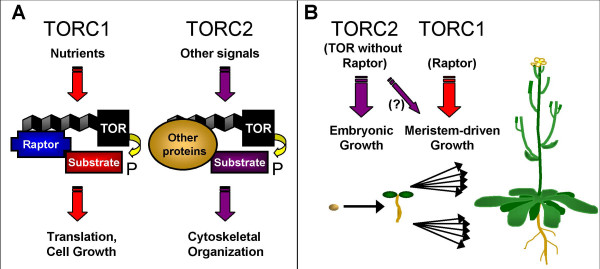
The data implicate the TOR signaling pathway, a major regulator of cell growth in yeast and metazoans, in the maintenance of growth from the shoot apical meristem in plants. These results provide insights into the ways in which TOR/Raptor signaling has been adapted to regulate plant growth and development, and indicate that in plants, as in other eukaryotes, there is some Raptor-independent TOR activity.
开花植物的发育完全依赖于分生组织的生长,分生组织包含全能细胞,这些细胞可产生植物中所有胚后器官。植物具有独特的能力,能够在其整个生命周期中通过响应外部信号产生新器官来改变其发育。为了鉴定调节基于分生组织生长的基因,我们考虑了Raptor蛋白的同源物,Raptor蛋白作为雷帕霉素靶标(TOR)激酶信号复合物的一部分,在酵母和后生动物中响应营养物质调节细胞生长。
我们在拟南芥中鉴定出AtRaptor1A和AtRaptor1B这两个预测编码Raptor蛋白的基因座。AtRaptor1B的破坏导致植物出现广泛的发育缺陷:根粗且生长缓慢,叶片起始和抽薹延迟,茎生花序顶端优势减弱。AtRaptor1A AtRaptor1B双突变体显示正常的胚胎发育,但无法维持胚后分生组织驱动的生长。AtRaptor转录本在分裂和扩展的细胞及组织中积累。
数据表明TOR信号通路,酵母和后生动物中细胞生长的主要调节因子,参与维持植物茎尖分生组织的生长。这些结果为TOR/Raptor信号如何适应调节植物生长和发育提供了见解,并表明在植物中,与其他真核生物一样,存在一些不依赖Raptor的TOR活性。