Mikkelsen T R, Brandt J, Larsen H J, Larsen B B, Poulsen K, Ingerslev J, Din N, Hjorth J P
Department of Molecular Biology, University of Aarhus, Denmark.
Nucleic Acids Res. 1992 May 11;20(9):2249-55. doi: 10.1093/nar/20.9.2249.
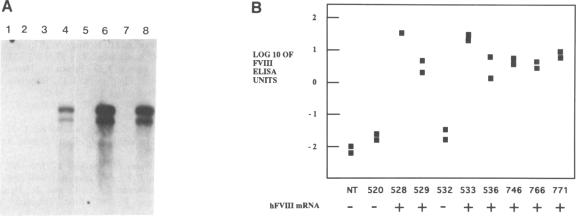
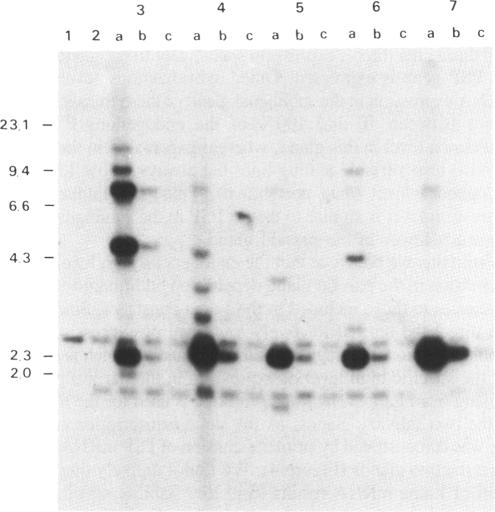
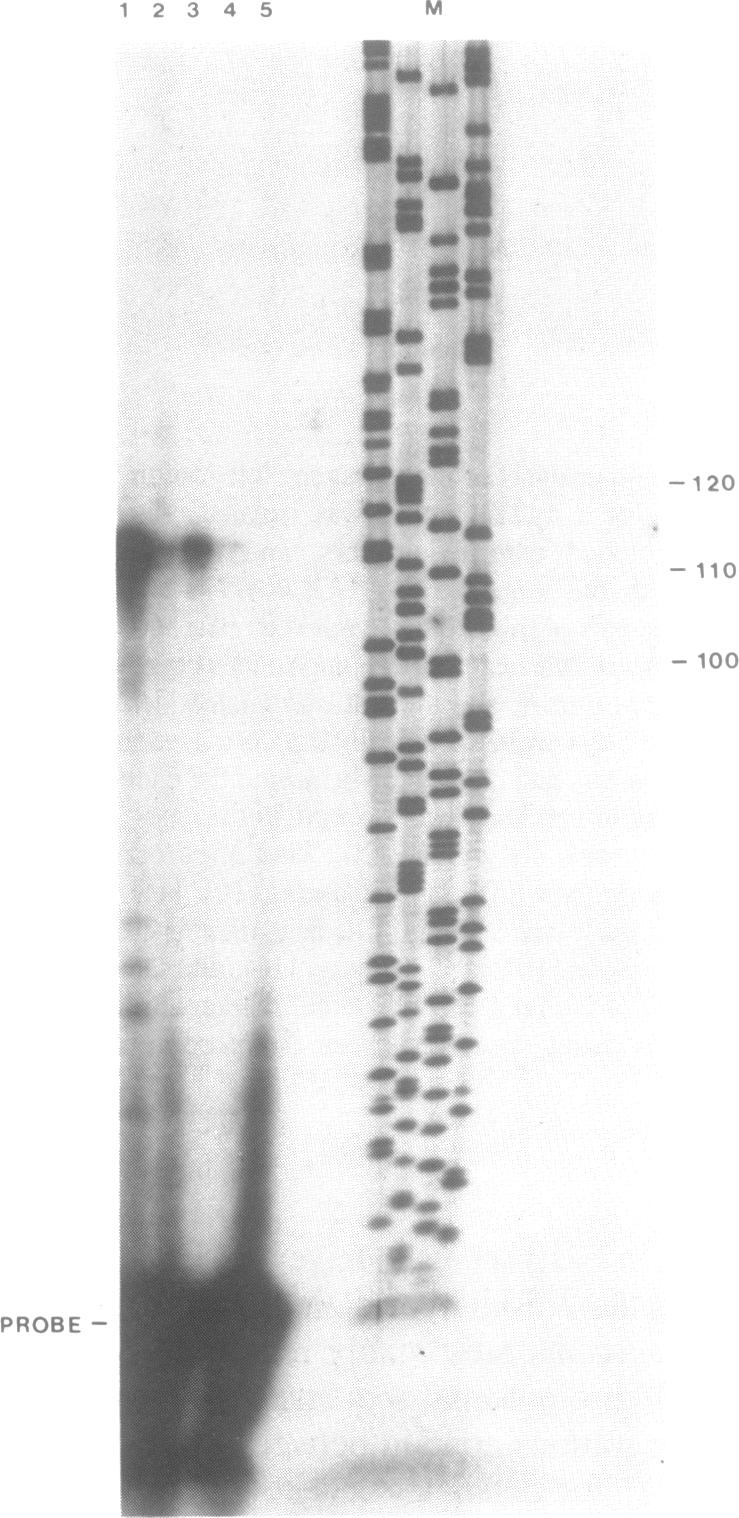
Using a DNA construct, named Lama, derived from the murine parotid secretory protein (PSP) gene, we have obtained salivary gland specific gene expression in transgenic mice. Lama is a PSP minigene and allows analysis of the PSP gene 5' regulatory region by transgenesis. We show here that the regulatory region included in Lama with 4.6 kb of 5' flanking sequence is sufficient to direct expression specifically to the salivary glands. The expression level in the parotid gland is only about one percent of the PSP mRNA level, while that of the sublingual gland is near the PSP mRNA level. This suggests significant differences in the PSP gene regulation in the two glands. In addition, Lama is a secretory expression vector in which cDNAs or genomic fragments can be inserted. We demonstrate that the Lama construct can direct the expression of a heterologous cDNA encoding the C-terminal peptide of human factor VIII to salivary glands and that the corresponding peptide is secreted into saliva.
利用一种名为Lama的DNA构建体,其源自小鼠腮腺分泌蛋白(PSP)基因,我们在转基因小鼠中实现了唾液腺特异性基因表达。Lama是一个PSP小基因,可通过转基因分析PSP基因的5'调控区。我们在此表明,Lama中包含的具有4.6 kb 5'侧翼序列的调控区足以将表达特异性地导向唾液腺。腮腺中的表达水平仅约为PSP mRNA水平的1%,而舌下腺的表达水平接近PSP mRNA水平。这表明两个腺体中PSP基因调控存在显著差异。此外,Lama是一种分泌表达载体,可插入cDNA或基因组片段。我们证明,Lama构建体可将编码人因子VIII C末端肽的异源cDNA的表达导向唾液腺,且相应肽分泌到唾液中。